Sladko: Bulgaria's Traditional Fruit Preserves You Should Try
Discover sladko, Bulgaria's spoonable fruit preserves made with whole fruits in thick sugar syrup. Learn how it's made, popular flavours, and the traditional way to enjoy it.
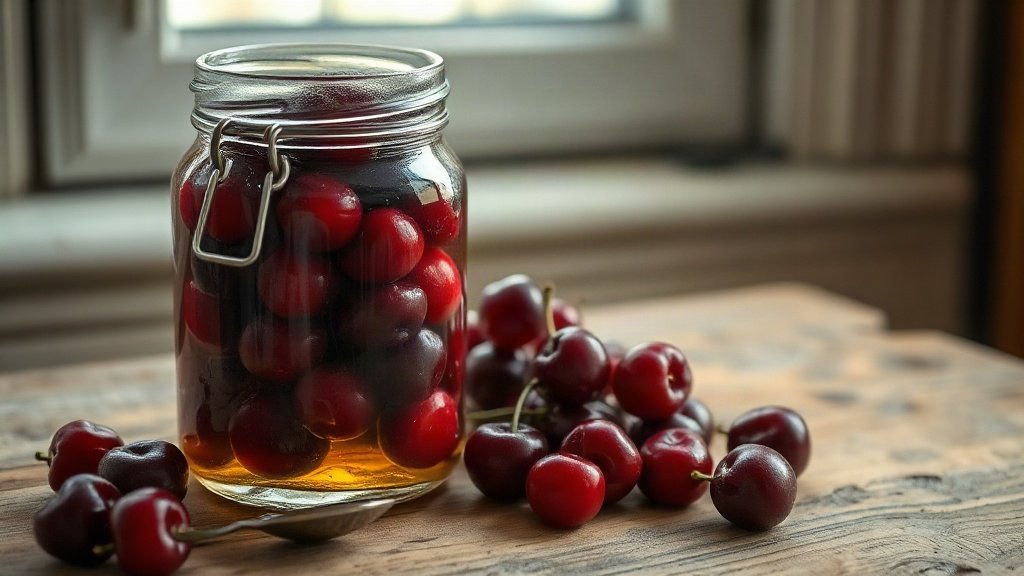
Illustration: AI-generated image
When Bulgarians want a sweet treat that is both simple and deeply traditional, they often reach for a jar of sladko. This glossy fruit preserve, made with whole fruits suspended in a thick sugar syrup, is a staple in many Bulgarian homes. Unlike jams or marmalades, sladko keeps the fruit intact and is served by the spoonful rather than spread on bread.
What is Sladko?
Sladko (сладко) literally means "sweet" in Bulgarian. The name is apt: the preserve is intensely sweet, with a texture that ranges from syrupy to almost candied. It is made by simmering fruit in a sugar syrup until the fruit becomes translucent and the syrup thickens, but the fruit remains whole or in large pieces. Common fruits include sour cherries, figs, green walnuts, quinces, plums, grapes, and even rose petals or watermelon rind.
How Sladko is Made
The process is time-honoured and requires patience. Fruit is first washed and prepared, sometimes pricked or soaked to help it absorb the syrup. Sugar and water are boiled to a syrup, then the fruit is added and cooked slowly, often over several days, with rests in between to allow the syrup to penetrate. Some recipes add lemon juice or vanilla for balance. The finished sladko is poured into sterilised jars while hot, and it keeps for months without refrigeration.
Ways to Enjoy Sladko
Sladko is traditionally served in a small dish or bowl, often accompanied by a glass of cold water. It is eaten with a spoon, and the water is sipped to cleanse the palate between bites. This custom dates back to times when sladko was offered to guests as a sign of hospitality, especially in villages. It is also common to serve sladko with coffee or tea, or alongside a slice of plain cake. Some people spoon it over yoghurt or ice cream for a quick dessert.
Popular Flavours
While almost any fruit can be preserved this way, some varieties are particularly beloved in Bulgaria:
- Sour cherry sladko (sladko ot vishni) – tart cherries hold their shape well and contrast with the syrup.
- Green fig sladko (sladko ot smokini) – figs are often used unripe, giving a pleasantly chewy texture.
- Green walnut sladko (sladko ot zeleni orehi) – made from immature walnuts, a labour-intensive delicacy with a unique flavour.
- Quince sladko (sladko ot dyuli) – quince turns a beautiful rosy colour when cooked and has a floral aroma.
- Plum sladko (sladko ot slivi) – plums are a classic choice, often spiced with cinnamon or cloves.
- Rose petal sladko (sladko ot rozi) – made from the petals of damask roses, intensely fragrant and often served on special occasions.
Sladko is more than just a sweet; it is a taste of Bulgarian hospitality and tradition. Making a batch at home is a rewarding way to preserve the flavours of summer fruits. If you have the chance to try it, remember to take it slow – one spoonful, a sip of water, and savour the moment.