A Guide to Bulgarian Horo: Joining the Circle Dance
Horo is Bulgaria's beloved circle dance, a living tradition that brings people together at celebrations, festivals and village squares. Here's how to join in with confidence.
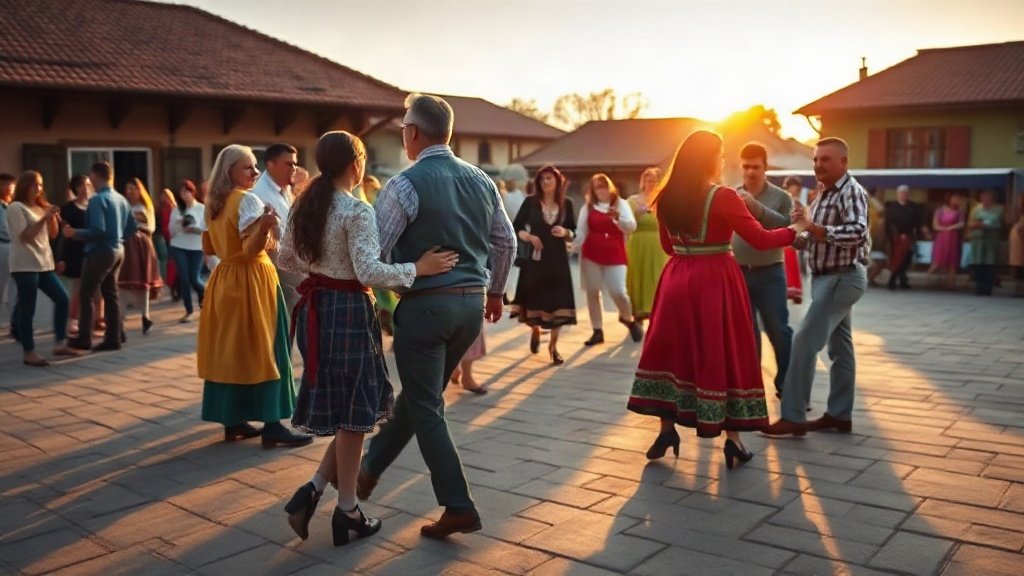
Illustration: AI-generated image
If you spend any time in Bulgaria, sooner or later you will hear the unmistakable sound of a horo starting up. It might be at a wedding, a village festival, a national holiday or even a spontaneous gathering in a town square. The horo is Bulgaria's most iconic folk dance, a living tradition that has been passed down through generations and remains a vibrant part of everyday life. For newcomers, joining a horo can feel intimidating, but it is one of the most welcoming ways to connect with Bulgarian culture.
What is Horo?
Horo (also spelled 'horo' or 'oro' in some regions) is a collective circle dance, usually performed to music with an irregular rhythm. Dancers hold hands, link arms or grasp belts, forming a line or an open circle that moves primarily to the right. The dance is led by a horovodets (dance leader), often at the front of the line, who guides the group through intricate steps and figures. The word 'horo' itself comes from the Greek 'choros', meaning dance, and the tradition has deep roots in Balkan folk culture.
There are countless regional variations of horo across Bulgaria, each with its own steps, tempo and musical accompaniment. Some are slow and dignified, while others are fast and energetic. What they share is a sense of community: the horo is not a performance for an audience but a participatory event where everyone is welcome.
Where You'll See It
You will encounter horo at almost every Bulgarian celebration. Weddings are perhaps the most common setting, where guests form a giant horo after the formal ceremony. National holidays like Baba Marta (1 March) and Liberation Day (3 March) often feature public horo dances in town squares. Village fairs (sabor) and folklore festivals are also prime opportunities. In recent years, flash-mob style horo events have become popular in cities, where hundreds of strangers gather to dance together in parks or central squares.
Even if there is no organised event, you might stumble upon a horo at a restaurant with live music, a birthday party or a family gathering. Bulgarians are proud of their dance heritage and are usually delighted to see foreigners participate.
How to Join In
Joining a horo is easier than it looks. The key is to observe first and then step in at the end of the line, where the steps are often simpler. Do not try to lead unless you are confident. Hold hands with the person next to you using a light but firm grip; some dancers prefer the 'basket hold' where you place your hands on the hips or shoulders of the dancers beside you. Follow the leader's footwork and try to match the rhythm.
Most horo dances move to the right, so you will be stepping sideways. The basic pattern for many Bulgarian horos is a simple three-step: step right, step left behind, step right again, with a slight lift or hop on the last beat. The music often has an odd time signature (like 7/8 or 9/8), which can feel strange at first, but once you feel the beat, the steps fall into place.
Regional Variations
Bulgaria's ethnographic regions each have their own horo styles. The Shop region around Sofia is known for fast, intricate footwork and high kicks. The Thracian horo (from the Plovdiv area) is often more measured and elegant, with smooth arm movements. The Rhodope Mountains have slower, more solemn horos, sometimes danced to the accompaniment of a bagpipe (gaida). The Pirin region (southwest Bulgaria) favours a lively horo with sharp, syncopated steps. In northern Bulgaria, you may see a horo na cheshma (dance at the fountain), which mimics the motions of drawing water.
No matter the region, the spirit remains the same: collective joy expressed through movement.
Etiquette and Tips
- Dress comfortably. You will be on your feet for a while, so wear flat shoes with good grip.
- Follow the leader. The person at the front sets the pace and steps. If you are unsure, watch their feet.
- Don't break the chain. Keep your grip steady; if you need to leave, do so gracefully by stepping out and letting the line close.
- Smile and enjoy. Horo is about togetherness, not perfection.
Learning a few basic steps will open doors to countless warm interactions. The horo is a symbol of Bulgarian identity, and by joining in, you become part of a centuries-old tradition that continues to thrive today.