How to Save on Your Electricity Bill in Bulgaria: Tariffs and Habits
Understanding Bulgaria's day and night electricity tariffs can help you cut costs without sacrificing comfort. Here's how to read your meter and adopt energy-saving habits.
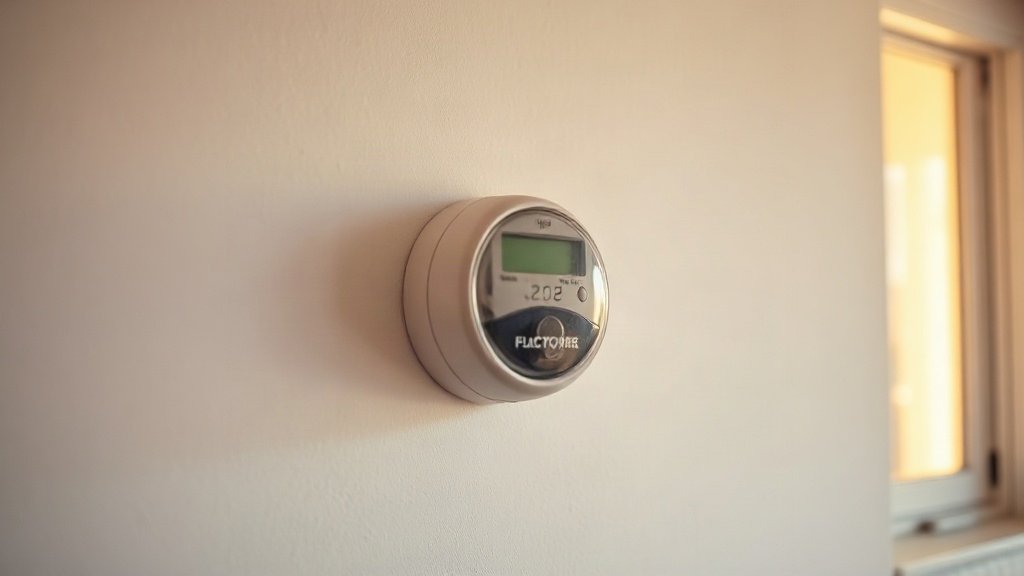
Illustration: AI-generated image
Electricity bills are a significant part of household expenses in Bulgaria, especially during the cold winters when many homes rely on electric heating. The good news is that with a bit of knowledge about the country's tariff system and a few daily habits, you can reduce your monthly costs without living in the dark or the cold.
Understanding Bulgaria's Dual Tariff System
Bulgaria operates a time-of-use tariff for electricity, meaning the price per kilowatt-hour changes depending on the time of day. Most households can choose between a single-rate tariff (one price all day) and a dual-rate tariff, which offers a cheaper night rate and a more expensive day rate. The night tariff typically runs from 22:00 to 06:00, though exact hours can vary slightly by supplier, so it is worth checking your contract or asking your provider.
If you have a dual-rate meter, you can take advantage of the lower night rate by scheduling high-energy appliances to run during those hours. Washing machines, dishwashers, water heaters, and even electric car chargers can be set to start late in the evening or early in the morning, often with built-in timers or smart plugs. This simple shift can lead to noticeable savings over a year, especially if you use a lot of hot water or do daily laundry.
How to Read Your Meter and Track Usage
Bulgarian homes typically have either a traditional electromechanical meter or a newer digital one. Reading it is straightforward: the numbers shown indicate your total consumption in kilowatt-hours (kWh). For dual-tariff meters, you will see two separate readings—one for day usage and one for night usage—often labelled with a small sun and moon icon or the letters T1 and T2. Note both numbers when you submit your readings or check your bill.
To understand your consumption patterns, keep a simple record of your meter readings every month. Many utility companies now offer online portals or mobile apps where you can log readings and see your usage history. Knowing which appliances use the most electricity can guide your habits; for example, an electric water heater can account for a large share of winter bills if left on constantly. Consider using a timer so it heats water only during night hours or just before you need it.
Simple Habits to Lower Your Household Consumption
Beyond tariff timing, small changes in daily behaviour add up. Here are some practical tips that work well in Bulgarian homes:
- Switch to LED bulbs: They use a fraction of the energy of old incandescent bulbs and last for years.
- Unplug devices on standby: Televisions, computers, and chargers consume power even when not in active use. Using power strips with switches makes this easy.
- Use appliances efficiently: Run full loads in the washing machine and dishwasher, and use lower temperature settings when possible.
- Manage heating and cooling: In winter, set your thermostat a degree or two lower and wear warmer clothes indoors. In summer, use fans instead of air conditioning when you can, and close curtains during the hottest part of the day.
- Seal drafts: Many Bulgarian apartments and houses, especially older ones, lose heat through windows and doors. Simple weather-stripping or heavy curtains can make a big difference.
Seasonal Considerations for Bulgarian Homes
Electricity consumption in Bulgaria peaks in winter due to heating. If your home uses electric radiators or underfloor heating, consider zoning—heating only the rooms you use most. Many modern systems allow individual room controls, so you can keep the living room warm while bedrooms stay cooler. In summer, the challenge shifts to cooling; using natural ventilation at night and shading windows from direct sun can reduce the need for air conditioning.
Finally, keep an eye on your energy provider's notifications. Bulgaria's electricity market has been gradually liberalising, and while household tariffs remain regulated for now, there may be opportunities to compare offers or benefit from new smart meter programmes. Staying informed about your options is just as important as your daily habits.