Stara Zagora: Bulgaria's Industrial and Energy Hub for Business
Stara Zagora offers a strategic location, a strong industrial base and a skilled workforce, making it an attractive destination for companies looking to expand in Bulgaria.
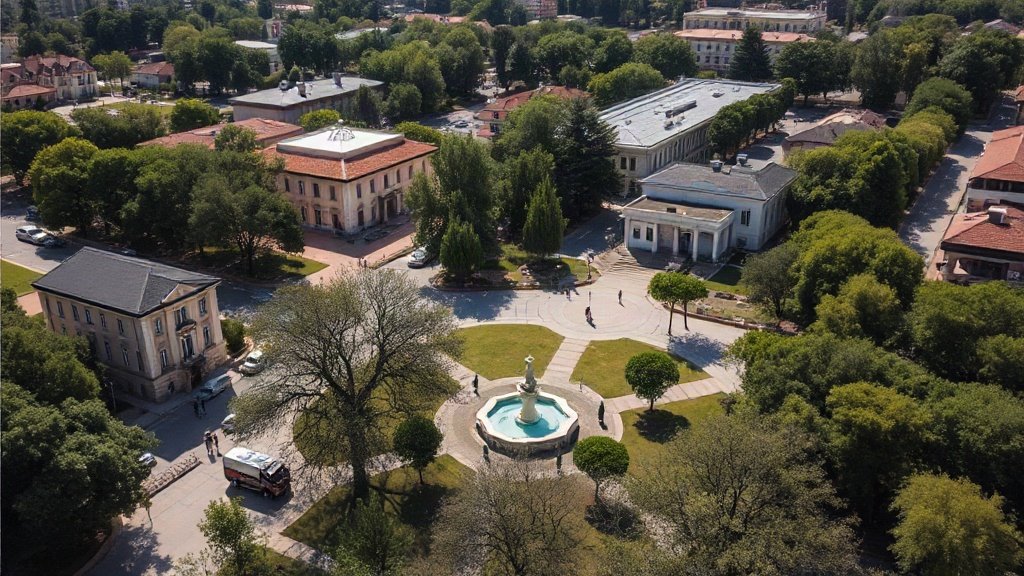
Illustration: AI-generated image
Stara Zagora, often called the city of linden trees, is much more than a pleasant place to live. It is one of Bulgaria's most important economic centres, with a long industrial tradition and a strategic position in the heart of the country. For businesses looking at Bulgaria, Stara Zagora offers a combination of infrastructure, workforce and sector strengths that deserve close attention.
Why Consider Stara Zagora?
The city sits on the southern slopes of the Sredna Gora mountains, roughly halfway between Sofia and Burgas. This central location gives companies easy access to both the capital's administrative and financial services and the Black Sea ports. The Trakia motorway and the Sofia–Burgas railway line pass nearby, ensuring efficient road and rail connections for freight and commuting.
Stara Zagora is also one of Bulgaria's oldest settlements, with a history stretching back thousands of years. Today, it blends that heritage with modern industry. The city has a well-developed urban infrastructure, including business parks, industrial zones and a growing service sector.
Key Industries and Economic Strengths
The region is best known for its energy sector. The Maritsa Iztok complex, located just outside the city, is the largest energy-producing area in Bulgaria. It includes lignite mines and thermal power plants that generate a significant share of the country's electricity. While the energy transition is a topic of national debate, the complex remains a major employer and driver of local economic activity.
Beyond energy, Stara Zagora has a diversified manufacturing base. The city is home to producers of machinery, metal products, food and beverages, textiles and building materials. Agriculture also plays a role, with fertile lands in the surrounding area supporting crops and livestock. In recent years, information technology and business process outsourcing have grown, adding white-collar jobs to the mix.
Workforce and Education
One of Stara Zagora's biggest assets is its people. The city has a population of around 130,000, with a wider region of over 300,000. Several universities and vocational schools supply a steady stream of graduates in engineering, economics, IT and medicine. The Trakia University, based in Stara Zagora, is particularly strong in agricultural and veterinary sciences, while the Technical College offers practical engineering skills.
Labour costs in Stara Zagora are generally lower than in Sofia, which can be attractive for companies setting up manufacturing or back-office operations. At the same time, the city's size means employees enjoy a good quality of life, with parks, cultural venues and a short commute, which helps with retention.
Setting Up a Business
The usual rules for starting a company in Bulgaria apply: registration with the Commercial Register, obtaining a tax number and registering for VAT if required. Stara Zagora's local administration has worked to streamline procedures and promote investment, and there are several industrial zones offering land and utilities for new developments. The city also benefits from EU funding programmes aimed at regional development and innovation.
For foreign investors, the availability of local consultants, lawyers and accountants familiar with both Bulgarian and international business practices makes the process smoother. Networking opportunities exist through chambers of commerce and industry associations.
A Balanced Choice
Stara Zagora may not have the glamour of Sofia or the seaside appeal of Varna, but it offers something arguably more valuable for many businesses: a stable, well-connected and affordable environment with deep industrial roots. Whether you are in manufacturing, energy services, logistics or IT, this central Bulgarian city deserves a spot on your shortlist.