Bulgaria's Free Trade Zones: A Guide for Importers and Exporters
Free trade zones in Bulgaria offer tax and customs advantages for companies involved in manufacturing, logistics and trade. Here's what you need to know.
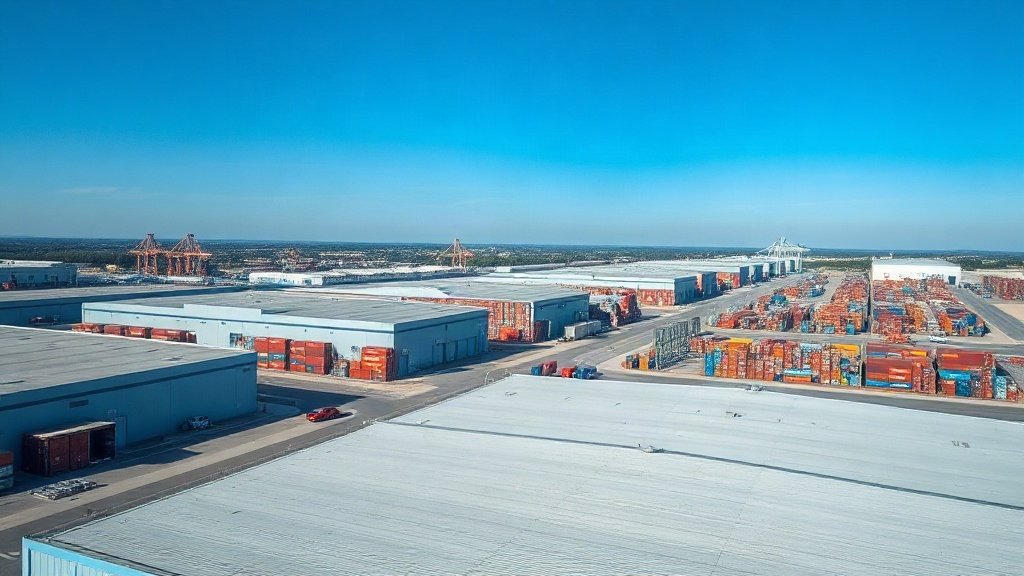
Illustration: AI-generated image
Bulgaria’s free trade zones are designated areas where goods can be stored, processed or manufactured with significant relief from customs duties and VAT. For businesses involved in international trade, these zones can offer a competitive edge and streamlined operations.
What is a free trade zone?
A free trade zone (FTZ) is a special economic area within a country that is treated as outside its customs territory for certain purposes. Goods entering an FTZ are not subject to import duties or VAT until they leave the zone and enter the domestic market. If goods are re-exported, they may avoid these charges altogether.
Benefits for businesses
- Duty deferral: Customs duties and VAT are suspended while goods remain in the zone.
- Simplified procedures: Reduced customs formalities for goods moving in and out of the zone.
- Value-added services: Zones often allow processing, assembly and repackaging with tax advantages.
- Strategic locations: Many zones are near borders, ports or major transport corridors.
- Storage without time limits: Goods can be stored indefinitely without incurring duties.
Main free trade zones in Bulgaria
Bulgaria has several free trade zones, each with its own focus and infrastructure. Some of the most prominent include:
- Burgas Free Zone: Located near the Port of Burgas, it is a key hub for trade with the Black Sea region and beyond.
- Varna Free Zone: Adjacent to the Port of Varna, it serves as a gateway for goods moving to and from Central and Eastern Europe.
- Ruse Free Zone: Situated on the Danube River, it offers access to river transport and links to Romania and other Danube countries.
- Plovdiv Free Zone: In central Bulgaria, it benefits from excellent road and rail connections and is close to major industrial centres.
- Svilengrad Free Zone: Near the border with Turkey and Greece, it is strategically placed for trade with those countries.
These zones are managed by operators who provide facilities such as warehouses, office space and logistics services. Businesses can lease space or establish their own facilities within the zone.
How to operate in a free trade zone
To take advantage of a free trade zone in Bulgaria, a company typically needs to:
- Register as a zone user: Sign a contract with the zone operator for use of premises or services.
- Obtain necessary permits: Depending on the activity, additional licences or approvals may be required.
- Comply with customs regulations: Maintain proper records and documentation for goods entering and leaving the zone.
- Understand VAT implications: While goods are in the zone, they are generally not subject to Bulgarian VAT, but rules apply when goods are released for free circulation.
It is advisable to consult with a customs broker or legal expert familiar with Bulgarian trade law to ensure full compliance.
Practical considerations
Free trade zones are not a one-size-fits-all solution. They are most beneficial for businesses that import goods for re-export, engage in light manufacturing or assembly, or need flexible storage options. Companies that sell primarily to the Bulgarian domestic market may find fewer advantages, as duties and VAT become due when goods leave the zone for local consumption.
Logistics costs and the specific services offered by each zone should also be evaluated. Some zones may have higher rental fees but offer better connectivity or specialised facilities.
For international businesses looking to establish a foothold in the region, Bulgaria’s free trade zones can be a valuable tool for optimising supply chains and reducing costs.