Bulgaria's Ski Resorts: A Business Guide for Investors and Operators
Bulgaria's mountain resorts offer growing opportunities for entrepreneurs. This guide covers the main ski areas, season timing, infrastructure and key business niches.
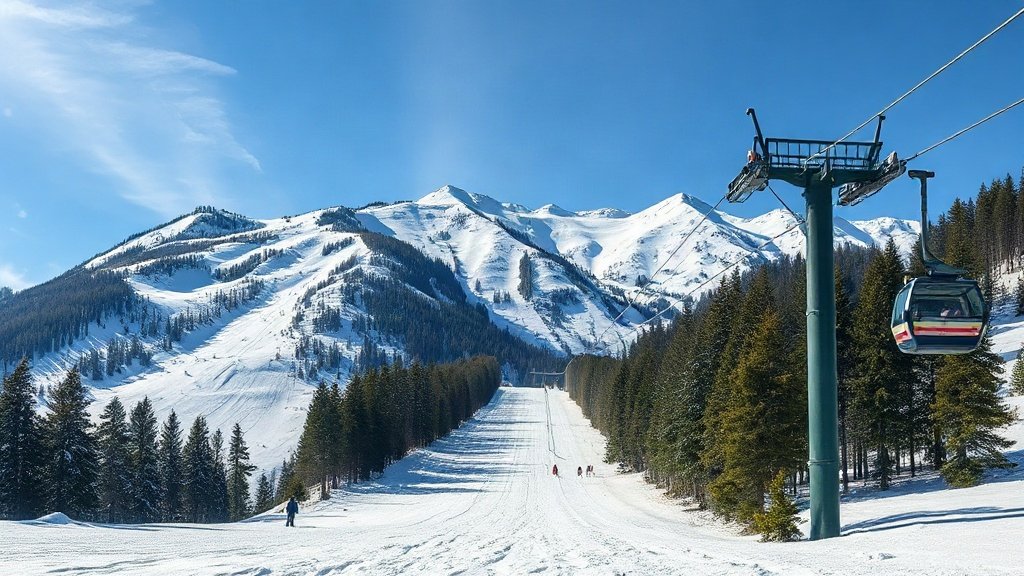
Illustration: AI-generated image
Bulgaria has become one of Europe's most attractive destinations for winter sports, offering reliable snow, modern facilities and competitive prices. For entrepreneurs and investors, the country's ski resorts present a range of opportunities in accommodation, hospitality, equipment rental, ski schools and related services. This guide provides an overview of the main resorts, the ski season and the business landscape.
Main Ski Resorts
Three resorts dominate Bulgaria's winter tourism market: Bansko, Borovets and Pamporovo.
- Bansko – Located at the foot of the Pirin Mountains, Bansko is the largest and most developed resort. It features a modern gondola lift, extensive slopes and a lively town with hotels, restaurants and après-ski venues. Bansko has hosted international competitions and continues to attract both leisure and professional skiers.
- Borovets – The oldest resort in Bulgaria, set in the Rila Mountains near Sofia. Borovets offers a mix of gentle and challenging runs, and it is a popular choice for families and beginners. Its proximity to the capital makes it a convenient weekend destination.
- Pamporovo – Situated in the Rhodope Mountains, Pamporovo is known for its sunny weather and softer slopes, ideal for novice skiers and snowboarders. It has a more relaxed atmosphere and appeals to those seeking a quieter holiday.
Smaller resorts such as Vitosha (near Sofia), Chepelare and Dobrinishte also cater to niche markets, including freeride and backcountry skiing.
Ski Season and Snow Conditions
The ski season in Bulgaria typically runs from December to April, with peak conditions between January and March. Most resorts have snowmaking systems to supplement natural snowfall, ensuring reliable slopes even in milder winters. The altitude of the main skiing areas (1,500–2,500 metres) contributes to good snow retention.
Infrastructure and Accessibility
All major resorts are well connected by road. Bansko is about 160 km from Sofia, Borovets is 70 km from the capital, and Pamporovo is 260 km away. Regular bus services operate from Sofia and Plovdiv, and private transfers are widely available. Within the resorts, ski lifts, gondolas and shuttle buses provide easy access to the slopes.
In recent years, significant investment has improved lift systems, snowmaking and tourist facilities. Wi-Fi coverage is generally good, and most hotels and restaurants accept card payments, though cash is still useful in smaller establishments.
Business Opportunities
The ski tourism sector offers multiple revenue streams for investors and operators:
- Accommodation – Hotels, guesthouses, chalets and self-catering apartments. Many properties operate seasonally, but some remain open year-round for summer hiking and mountain biking.
- Food and Beverage – Restaurants, cafés, bars and mountain huts. Demand is high during the ski season, especially for traditional Bulgarian cuisine and warm drinks.
- Equipment Rental and Sales – Ski and snowboard rental shops, as well as retail outlets selling winter gear. Partnering with ski schools can drive customer traffic.
- Ski Schools and Guiding – Certified instructors and mountain guides are in demand, particularly for beginners and off-piste excursions. Multilingual staff have a competitive advantage.
- Wellness and Leisure – Spas, thermal baths and fitness centres. Bulgaria's ski resorts are increasingly marketed as year-round wellness destinations, with mineral springs near Bansko and Pamporovo.
- Real Estate and Property Management – Buying, renovating and renting out apartments to tourists is a popular investment model. Property management services for absent owners are also a growing niche.
Key Considerations for Business Owners
Operating a business in a ski resort has specific challenges. Demand is highly seasonal, so cash flow management and off-season diversification are crucial. Staffing can be difficult: many workers prefer year-round employment, so resorts often rely on seasonal employees from other parts of Bulgaria or abroad. Compliance with local regulations, including health and safety standards for ski operations, is essential. Finally, building relationships with tour operators and online travel agencies can help fill capacity throughout the season.
Bulgaria's ski resorts continue to grow in popularity, driven by affordable prices and improving infrastructure. For entrepreneurs willing to adapt to the seasonal rhythm, the mountains offer a rewarding business environment.