A Guide to Bulgaria's Public Holidays: What's Closed and What to Expect
From Liberation Day to Christmas, Bulgaria's calendar is dotted with public holidays. Here's what closes, what stays open, and how to plan your week around them.
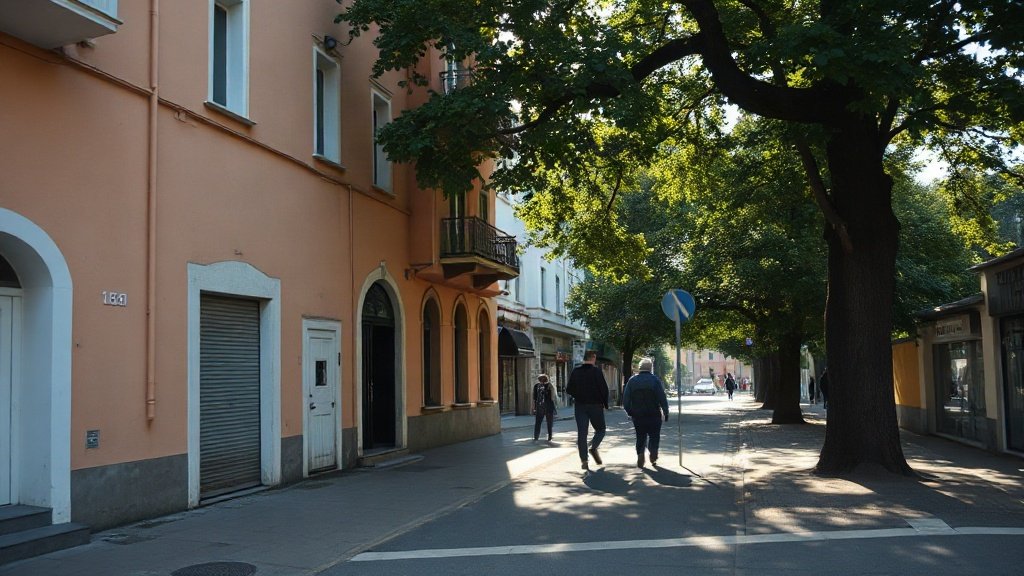
Illustration: AI-generated image
Bulgaria's calendar is shaped by a mix of national and Orthodox Christian holidays, each bringing its own rhythm to daily life. Knowing when these days fall and what to expect can help you plan errands, travel and social events more smoothly. This guide covers the official days off, what stays open and how to plan ahead.
Official Public Holidays
Under the Labour Code, the following are official non-working days across the country. Dates for Easter move each year, while others are fixed.
- 1 January – New Year's Day
- 3 March – Liberation Day (National Holiday)
- Good Friday, Holy Saturday, Easter Sunday and Easter Monday (dates vary)
- 1 May – Labour Day
- 6 May – St George's Day, also the Day of Bravery and the Bulgarian Army
- 24 May – Day of Bulgarian Education and Culture and Slavonic Script
- 6 September – Unification Day
- 22 September – Independence Day
- 24 December – Christmas Eve
- 25 and 26 December – Christmas Days
Note: 1 November, the Day of the National Awakening, is a holiday for schools and cultural institutions but not a general non-working day for everyone.
What Closes and What Stays Open
On official holidays, state and municipal offices, banks and most public services are closed. If you need to visit a government office or renew documents, avoid these dates.
Essential services such as hospitals, pharmacies and public transport continue to operate, though often on a reduced schedule. In larger cities, you can expect buses and the metro to run less frequently than on normal weekdays.
Supermarkets and shopping malls in urban areas often remain open, but with shorter hours. Small neighbourhood shops and family businesses are likely to close, especially on major holidays like Easter and Christmas.
Planning Ahead for Busy Holidays
Easter and Christmas are the longest holiday periods in Bulgaria. Around Easter, you may find shops closed from Good Friday through Easter Monday, a span of four consecutive days. Similarly, at Christmas, many businesses close from 24 to 26 December.
It is wise to stock up on groceries and complete any bank or post office errands before these dates. Also keep in mind that on the eve of major holidays, shops and offices may close earlier than usual.
Beyond official days off, many holidays carry deep cultural and religious meaning. Families often gather for meals, and churches hold special services. If you are invited to join, bringing a small gift or a bottle of wine is a thoughtful gesture.
A Note on Other Observances
In addition to the official public holidays, Bulgarians celebrate name days, saints' days and folk customs that are not days off work but are widely observed. These may affect traffic and shop opening hours in smaller towns, so it is helpful to check locally if you are travelling.
Understanding the holiday calendar helps you plan your week, avoid unexpected closures and join in local traditions more easily.