A Practical Guide to Renting Commercial Space in Bulgaria
From retail units to office space, here's what you need to know about the commercial rental market in Bulgaria.
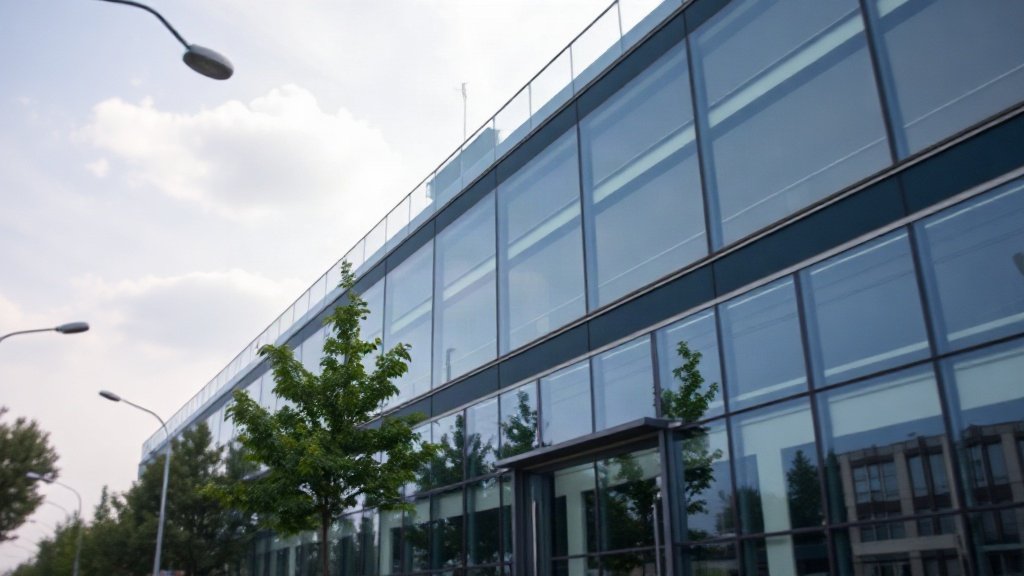
Illustration: AI-generated image
Whether you're launching a café in Plovdiv, opening a boutique in Varna, or setting up a tech office in Sofia, renting commercial space is a key step for many businesses in Bulgaria. The market is generally well-developed, with opportunities across cities and towns, but understanding local practices can save you time and money.
Understanding the Market
Commercial property in Bulgaria ranges from modern office buildings and retail units on busy high streets to industrial warehouses and flexible coworking spaces. Demand is strongest in the capital Sofia, followed by regional hubs like Plovdiv, Varna, and Burgas. Rents are typically quoted in euros per square metre per month, even though payments are made in Bulgarian leva. While prices vary widely by location and quality, you'll generally find lower costs than in Western Europe, which is attractive for both local and foreign entrepreneurs.
Finding a Property
Most tenants use local real estate agencies that specialise in commercial lettings. Online property portals and word-of-mouth recommendations are also useful. When inspecting a property, check the condition of the premises, access for deliveries or clients, parking availability, and whether the building meets your operational needs (for example, adequate electrical capacity for a kitchen or IT infrastructure for an office). It's also wise to verify the property's zoning and permitted use with the local municipality, as this can affect your business licence.
The Lease Agreement
Commercial leases in Bulgaria are generally governed by the Commerce Act and the Obligations and Contracts Act. A typical lease runs for one to three years, with the option to renew. Longer terms are common for retail spaces, often with built-in rent increases. The agreement should clearly state the rent amount, payment schedule (usually monthly in advance), the security deposit, and each party's responsibilities for maintenance and repairs. As a tenant, you'll typically be responsible for interior upkeep and utilities, while the landlord handles structural issues. Ensure the lease specifies who pays for common area charges, if applicable, and whether subleasing is allowed.
Costs and Deposits
Expect to pay a security deposit of one to three months' rent, refundable at the end of the lease if the property is returned in good condition. Some landlords also require the first month's rent in advance. In addition to rent, you'll need to budget for utility costs (electricity, water, heating, internet), which are usually paid separately based on consumption. If you use an agency to find the property, a commission of around half a month's rent to one month's rent may apply, though this is negotiable.
Practical Tips
- Get everything in writing: Verbal agreements are not binding, so ensure all terms are in the lease contract.
- Check the ownership: Ask for proof that the landlord has the right to rent the property, such as a title deed.
- Consider a lawyer: A local solicitor can review the lease to protect your interests, especially for long-term commitments.
- Factor in renovation time: Many commercial spaces are offered as 'shell' units, so you may need time and budget for fit-out before opening.
- Negotiate: Don't be afraid to ask for rent-free periods, especially if you're taking on a long lease or the space has been vacant.
Renting commercial space in Bulgaria is a manageable process if you do your homework. With a clear understanding of the market and a well-drafted lease, you'll be well placed to find a location that supports your business goals.