A Guide to Bulgarian Proverbs: Everyday Wisdom for Daily Life
Learn a few Bulgarian proverbs to deepen your connection with local culture and add colour to your conversations. Here are some favourites and what they mean.
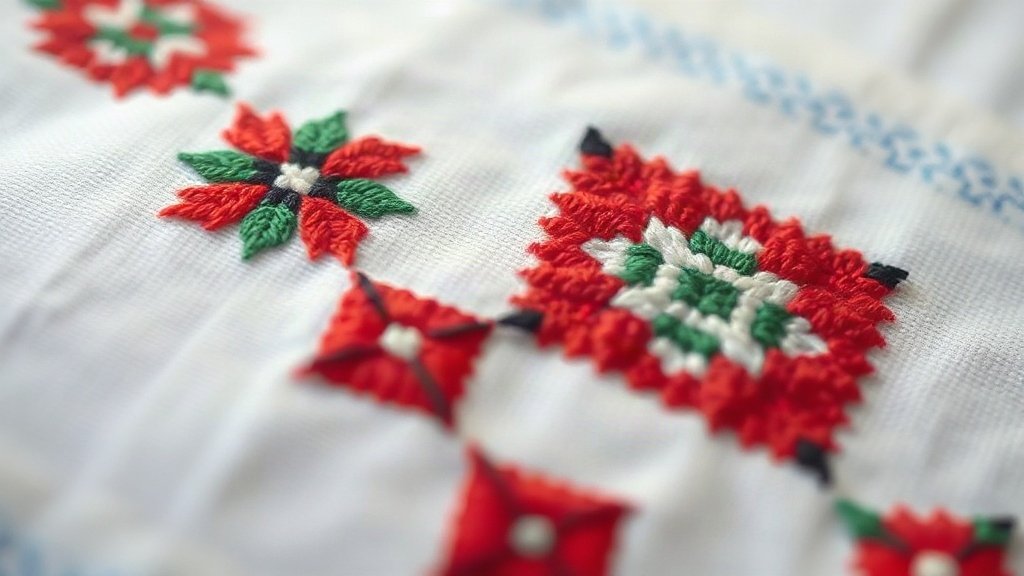
Illustration: AI-generated image
Proverbs are the distilled wisdom of a culture, passed down through generations. In Bulgaria, these short, memorable sayings are woven into everyday speech, adding warmth and insight to conversations. Whether you are settling into life here or simply visiting, understanding a few of them opens a window into the Bulgarian way of thinking.
Common Bulgarian Proverbs
Here is a selection of well-known Bulgarian proverbs, along with their literal translations and the deeper meaning behind them.
- "Капка по капка – вир става." (Kapka po kapka – vir stava.)
Literal: "Drop by drop, a pool forms."
Meaning: Small, consistent efforts lead to big results. Use it to encourage patience and persistence. - "Който пее, зло не мисли." (Koyto pee, zlo ne misli.)
Literal: "He who sings thinks no evil."
Meaning: A cheerful person is unlikely to harbour ill intentions. It is often said when someone is humming or singing happily. - "По дрехите посрещат, по ума изпращат." (Po drehite posreshtat, po uma izprashtat.)
Literal: "They welcome you by your clothes, they send you off by your mind."
Meaning: First impressions matter, but character and intelligence determine lasting respect. - "Не е толкова страшен дяволът, колкото го рисуват." (Ne e tolkova strashen dyavolat, kolkoto go risuvat.)
Literal: "The devil is not as scary as he is painted."
Meaning: Things are often less frightening than they seem. A reassuring phrase when facing a challenge. - "Бързата работа – срам за майстора." (Barzata rabota – sram za maystora.)
Literal: "Hasty work is a shame for the master."
Meaning: Rushing leads to poor quality. Use it to remind someone to take their time and do a job properly. - "Гладна мечка хоро не играе." (Gladna mechka horo ne igrae.)
Literal: "A hungry bear does not dance the horo."
Meaning: Basic needs must be met before one can enjoy life. It is often said to justify a meal or a break. - "Който търси, намира." (Koyto tarsi, namira.)
Literal: "He who seeks, finds."
Meaning: If you actively look for something, you will eventually find it. A proverb of encouragement and curiosity. - "На вълка вратът му е дебел, защото си върши работата сам." (Na valka vratat mu e debel, zashtoto si varshie rabotata sam.)
Literal: "The wolf's neck is thick because he does his work himself."
Meaning: Self-reliance builds strength. It underscores the value of independence and hard work. - "Сговорна дружина, планина повдига." (Sgovorna druzhina, planina povdiga.)
Literal: "A united team lifts a mountain."
Meaning: Teamwork makes the impossible possible. A call for cooperation and solidarity. - "Тихата вода е най-дълбока." (Tihata voda e nay-dalboka.)
Literal: "Still waters run deepest."
Meaning: Quiet people often have profound thoughts or hidden depths. It is a reminder not to underestimate anyone.
How to Use Proverbs in Conversation
Bulgarian proverbs fit naturally into daily chat. You might hear them from neighbours, colleagues, or friends over coffee. Using one yourself—even with a slight accent—is often met with appreciation and a smile. Here are a few tips:
- Match the moment. For example, when someone completes a long project, say "Капка по капка – вир става" to praise their persistence.
- Be playful. Proverbs are not formal; they are part of warm, everyday speech. Don't be afraid to use them lightly.
- Ask for more. If you hear a proverb you don't recognise, ask "Какво значи това?" (Kakvo znachi tova?) – "What does that mean?" Bulgarians are usually happy to explain.
Why Proverbs Matter
Learning a few proverbs is more than a language exercise. It is a way to connect with Bulgarian culture on a deeper level. These sayings reflect values such as patience, community, and a good-natured realism. They also make your conversations livelier and show that you are making an effort to understand the local way of life. So next time you hear one, don't just nod—try using it yourself.