A Practical Guide to the Martenitsa Business in Bulgaria
Discover how to tap into Bulgaria's cherished spring tradition by creating and selling martenitsi, and learn key considerations for this seasonal business.

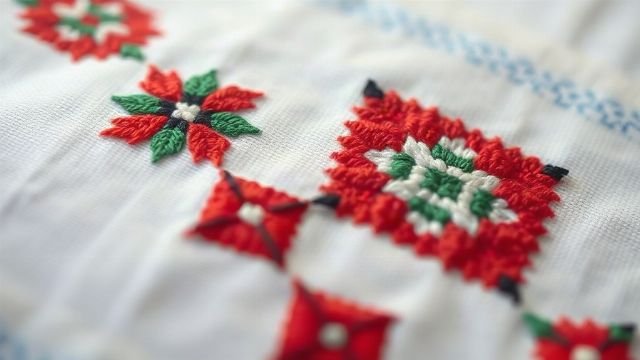
Illustration: AI-generated image
Each year on 1 March, people across Bulgaria exchange red and white adornments called martenitsi to welcome spring and wish each other health and good fortune. This cherished tradition also creates a seasonal business opportunity for artisans and entrepreneurs. With the right approach, you can turn this cultural symbol into a profitable venture.
Understanding the Martenitsa Tradition
Martenitsa typically consists of red and white threads, often twisted into bracelets, tassels, or small dolls known as Pizho and Penda. People wear them until they see the first signs of spring—a stork, a blossoming tree, or a swallow—and then tie them to a fruit tree. The colours are symbolic: red represents health and vitality, while white stands for purity and new beginnings. The tradition is ancient and deeply woven into Bulgarian folklore, making it more than just a product; it carries emotional and cultural weight.
Market Demand and Seasonal Opportunities
Demand for martenitsi spikes in late February and early March. Local street vendors, craft shops, and online sellers all see a surge in sales. Bulgarians living abroad also seek authentic martenitsi to celebrate the tradition, and foreign visitors often buy them as souvenirs. The season is short but intense, so planning is essential. You can sell traditional handmade items or offer modern twists, such as martenitsi with beads, charms, or personalised touches.
Starting Your Martenitsa Business
Begin by deciding on your product range. Will you make bracelets, brooches, or small dolls? Source quality materials—wool yarn, cotton thread, and decorative elements. Create a few prototype designs to test appeal. Then choose your sales channel: an online shop, a market stall, or participation in craft fairs. Because the peak selling period is only a few weeks, prepare your inventory well in advance and consider offering pre-orders.
Production and Design Considerations
Authenticity matters to many buyers. Stick to the traditional red and white colour scheme, and consider incorporating classic motifs. Handmade martenitsi are especially valued, as they reflect the personal touch and care that the tradition embodies. That said, there is room for creativity—some sellers offer martenitsi with small bells, wooden beads, or even eco-friendly materials. Keep quality consistent, as word-of-mouth can drive repeat customers.
Marketing and Sales Strategies
Use social media to showcase your products in the weeks leading up to 1 March. Share the story behind the tradition to connect with customers. Offer bundles or gift sets for families or corporate clients. Collaborate with local tourist shops or Bulgarian cultural organisations abroad to expand your reach. Since many buyers purchase martenitsi as gifts, attractive packaging can add value.
Legal and Practical Tips
If you plan to sell martenitsi commercially, check local regulations for small businesses or craft sales. You may need to register as a sole trader or follow simplified tax rules. Keep clear records of income and expenses, even for a short season. Many sellers operate this as a side business, which is perfectly feasible given the brief sales window. Ensure your products meet any general consumer safety standards, especially if they include small parts.
The martenitsa tradition offers a unique blend of cultural heritage and entrepreneurship. By respecting the custom and offering quality products, you can build a rewarding seasonal business that brings joy to many.