Sarmi: Bulgaria's Comforting Stuffed Cabbage and Vine Leaves
Sarmi are a beloved Bulgarian comfort food – tender leaves wrapped around a savoury rice and meat filling, slow-cooked until meltingly soft. Here's what makes them special and how to enjoy them.
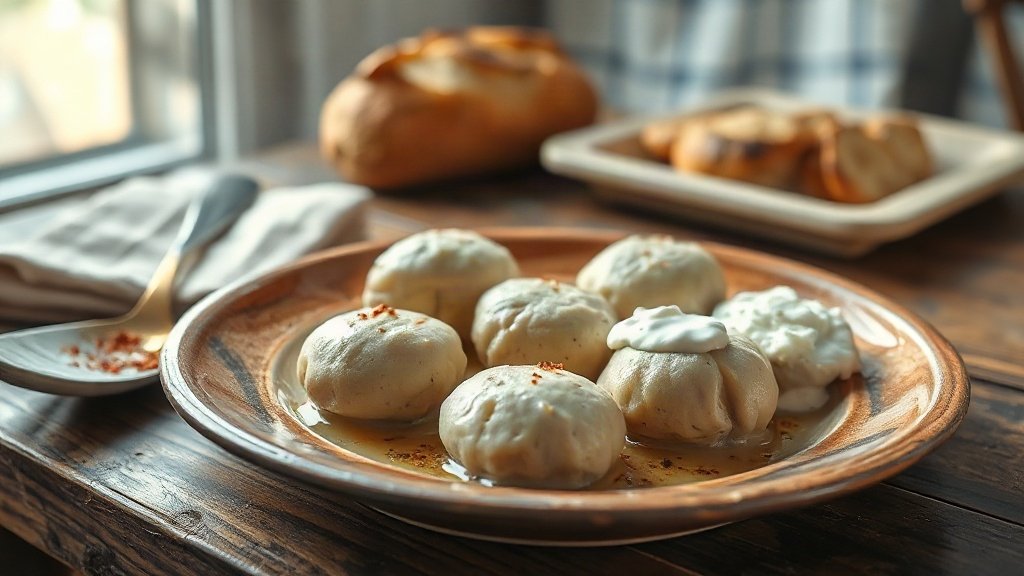
Illustration: AI-generated image
When the weather turns cool, Bulgarian kitchens fill with the gentle, savoury aroma of sarmi. These neat little parcels of stuffed cabbage or vine leaves are a true comfort food, enjoyed at family gatherings, winter holidays and cosy weeknight dinners alike. The word sarma comes from the Turkish sarmak, meaning "to wrap", and the technique has deep roots across the Balkans and the Middle East. In Bulgaria, sarmi are a proud culinary tradition, with as many variations as there are cooks.
What Are Sarmi?
At their heart, sarmi are leaves wrapped around a filling, usually a mixture of minced meat, rice, onions and herbs. The most common leaves are pickled cabbage leaves (for a tangy, robust flavour) or fresh vine leaves (for a more delicate, slightly lemony taste). The parcels are packed tightly into a pot, covered with water or stock, and simmered slowly until the leaves are tender and the filling is cooked through. The result is a dish that is both hearty and refreshing, with a wonderful contrast of textures.
How Sarmi Are Made
The filling begins with finely chopped onions sautéed in oil until soft. Minced pork, or a mix of pork and beef, is added and browned, then seasoned with sweet paprika, savoury (chubritsa), black pepper and sometimes a pinch of cumin. Rice is stirred in raw, so it absorbs the juices during cooking, and the mixture is left to cool slightly before wrapping. Each leaf is laid flat, a spoonful of filling is placed at the stem end, and the leaf is rolled tightly, tucking in the sides to form a neat cylinder. The sarmi are arranged in layers in a heavy pot, often with a few sauerkraut leaves or a slice of lemon at the bottom to prevent sticking and add flavour.
Variations Across Bulgaria
In winter, pickled whole cabbage heads are separated into leaves, their sourness mellowing as they cook. This version, sometimes called zelevi sarmi, is a staple for Christmas Eve and other festive meals. In summer, fresh vine leaves are blanched and filled with a lighter mixture that may include more herbs and sometimes no meat at all. Vegetarian sarmi, filled with rice, onions, carrots and mushrooms, are common during fasting periods and are equally delicious. In the Rhodope Mountains, you might find sarmi wrapped in sorrel or chard leaves, giving them a unique earthy note.
How to Serve Sarmi
Sarmi are traditionally served warm, often topped with a spoonful of thick yoghurt or a dollop of kiselo mlyako (Bulgarian sour milk). A crusty bread is perfect for soaking up the rich, savoury broth, and a simple salad of tomatoes, cucumbers and white cheese makes a refreshing side. Leftovers, if there are any, taste even better the next day, after the flavours have had time to mingle. For an extra touch, some cooks fry the cooked sarmi lightly in butter before serving, giving them a golden, crispy exterior.
A Dish for All Seasons
While sarmi are often associated with winter, their adaptability means they can be enjoyed year-round. In spring, tender nettle or dock leaves make a fleeting seasonal wrapper; in autumn, grape leaves from the garden are perfect for preserving. Making sarmi is a labour of love, but the process is meditative and the result deeply satisfying. Whether you try them at a traditional mehana or attempt a batch at home, sarmi offer a true taste of Bulgarian hospitality and comfort.