Rodopsko Cheverme: Bulgaria's Slow-Roasted Lamb You Should Know
Discover the tradition of cheverme, a whole lamb roasted slowly over an open fire, a centrepiece of celebrations in Bulgaria's Rhodope Mountains.
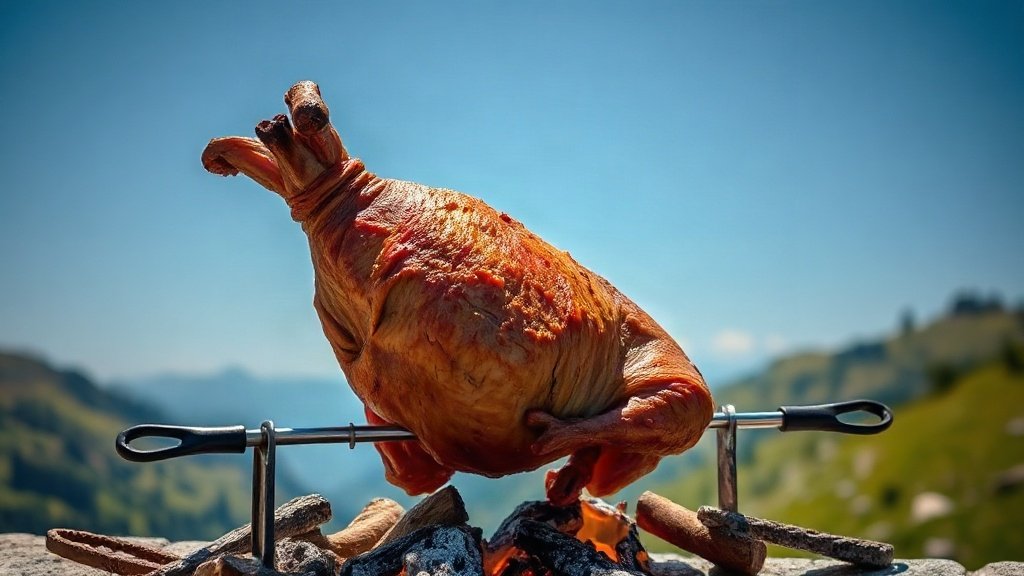
Illustration: AI-generated image
When Bulgarians in the Rhodope Mountains want to celebrate something truly special, they often turn to cheverme. This traditional method of roasting a whole lamb on a spit over an open fire is not just about the food – it's about bringing people together. Unlike everyday meals, cheverme is reserved for moments that matter – a wedding, a saint's day, or simply a reunion of friends in the mountains.
A tradition rooted in the mountains
Cheverme is most closely associated with the Rhodope region, where the cool mountain air and abundant pastures produce tender, flavourful lamb. The word itself refers to the rotating spit, and the technique has been passed down through generations. Unlike quick grilling, cheverme is a slow, patient process that can take four to six hours, depending on the size of the animal. This unhurried approach is central to the experience, allowing the lamb's natural flavours to develop fully.
How cheverme is made
The lamb is typically seasoned simply, often with just salt, sometimes with a rub of local herbs like savory or thyme. It is then secured onto a long metal spit and placed over a bed of glowing embers – not flames – which ensures even cooking without charring. The spit is positioned so the lamb rotates slowly, allowing the fat to render and the meat to cook evenly. Some cooks baste the lamb with a mixture of oil, lemon, and herbs, while others keep it minimalist, letting the natural flavour shine. The result is incredibly tender, with a crisp, golden skin.
While the lamb cooks, the aroma fills the air, and guests gather around. Cheverme is as much about the experience as the eating: it's common to see people chatting, drinking rakia, and enjoying the anticipation. When the meat is finally ready, it's carved in thick slices and served with simple sides like fresh salads, bread, and perhaps a glass of local wine. Eating cheverme is often a hands-on affair, with guests pulling pieces of meat directly from the bone.
When is cheverme served?
Cheverme is reserved for important occasions – Easter, St George's Day (Gergyovden), weddings, baptisms, and village festivals. It's a dish that marks a celebration, a symbol of hospitality and abundance. In some Rhodope villages, the whole community might come together to roast several lambs for a shared feast. For visitors, trying cheverme is a chance to taste Bulgaria's pastoral heritage at its most festive.
Whether enjoyed at a mountain restaurant or a family gathering, cheverme offers a memorable taste of Bulgarian tradition. If you find yourself in the Rhodopes during a festival or celebration, keep an eye out for cheverme – it's an experience you won't forget.