Mekitsi: Bulgaria's Simple Fried Dough Breakfast You Should Try
Mekitsi are soft, fluffy fried dough pieces, a staple of Bulgarian breakfast tables. Learn how they are made and how to enjoy them.
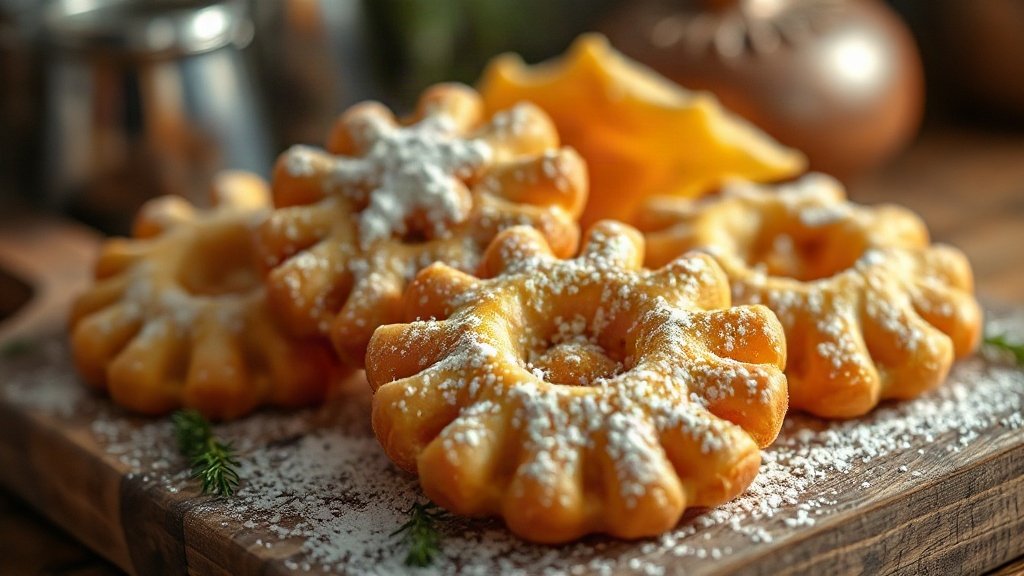
Illustration: AI-generated image
Mekitsi (pronounced meh-KEE-tsee) are one of Bulgaria's most comforting breakfast treats. Soft, pillowy and lightly crisp on the outside, these fried dough pieces have been a fixture on family tables for generations. Unlike Western doughnuts, mekitsi are not overly sweet on their own; instead, they serve as a blank canvas for both sweet and savoury toppings.
What are mekitsi?
Mekitsi are made from a simple dough that typically includes flour, yoghurt, eggs, a leavening agent such as baking soda or yeast, and a pinch of salt. The yoghurt, a staple of Bulgarian cuisine, gives the dough a subtle tang and helps it rise. The dough is rolled or patted flat, then cut or shaped into irregular pieces and fried in hot oil until golden brown.
The name "mekitsa" comes from the Bulgarian word "mek," meaning soft, which perfectly describes the texture. They are often compared to American fry bread or Hungarian lángos, but they are generally lighter and less greasy.
How to make mekitsi at home
Making mekitsi is straightforward and requires only a few basic ingredients. This traditional recipe yields about 12–15 pieces and can easily be halved or doubled.
- 500 g plain flour, plus extra for dusting
- 1 tsp baking soda
- 1 tsp salt
- 2 eggs
- 400 g plain yoghurt (Bulgarian-style if available)
- 1 tbsp sunflower or vegetable oil, plus more for frying
In a large bowl, whisk together the flour, baking soda and salt. In a separate bowl, beat the eggs, then stir in the yoghurt and the tablespoon of oil. Make a well in the dry ingredients and pour in the wet mixture. Stir with a wooden spoon until a soft, sticky dough forms. Cover the bowl with a clean tea towel and leave to rest for 20–30 minutes. This rest helps the gluten relax and makes the dough easier to handle.
Lightly flour a work surface and your hands. Take a handful of dough and pat or roll it into a rough oval about 1 cm thick. You can also cut the dough into pieces with a knife. Heat about 2–3 cm of oil in a deep frying pan over medium heat. To test if the oil is ready, drop in a tiny piece of dough; it should sizzle and rise to the surface immediately. Carefully slide the mekitsi into the hot oil, a few at a time, and fry for 2–3 minutes per side, until puffed and deep golden. Remove with a slotted spoon and drain on kitchen paper.
How to serve mekitsi
The classic way to enjoy mekitsi is dusted with icing sugar or drizzled with honey. Many Bulgarians also love them with a spoonful of jam, especially rosehip or blueberry. For a savoury twist, serve warm mekitsi with crumbled sirene (white brined cheese) or a slice of yellow kashkaval. They are delicious alongside a bowl of thick yoghurt or a glass of ayran.
Mekitsi are best eaten fresh and warm, straight from the pan. If you have leftovers, reheat them briefly in a dry frying pan or a toaster oven to restore their crispness. Whether sweet or savoury, this humble fried dough is a true taste of Bulgarian home cooking.