Bulgarian Honey: A Guide to Varieties and How to Enjoy It
Bulgaria's long tradition of beekeeping produces distinctive honey varieties, from delicate acacia to rich honeydew. Here is what to know about the country's golden treasure.
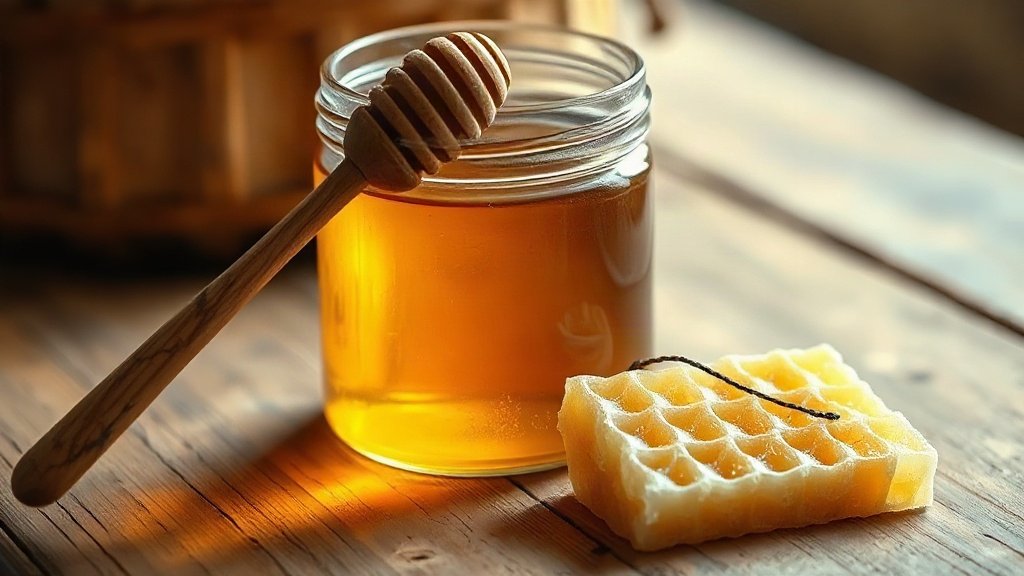
Illustration: AI-generated image
When you think of Bulgarian food, yoghurt and cheese often come to mind first, but honey is just as deeply rooted in the country's culinary identity. Bulgaria has one of the oldest beekeeping traditions in Europe, with evidence of apiculture dating back to Thracian times. The country's diverse landscape – from sun-drenched lowlands to cool mountain meadows – yields a remarkable range of honey types, each with its own colour, aroma and flavour. Whether drizzled over breakfast or stirred into tea, Bulgarian honey is a simple pleasure worth exploring.
Common Varieties
Bulgarian honey is usually sold by the dominant nectar source, and each type has a distinct character. Acacia honey is among the most popular: it is very light in colour, almost transparent, with a delicate floral sweetness and a slow crystallisation rate, making it ideal for those who prefer a liquid honey. Linden (or lime blossom) honey has a pale golden colour and an intensely aromatic, slightly minty flavour with a hint of bitterness; it is often used in winter for soothing warm drinks. Sunflower honey is a common everyday honey with a bright golden hue, a mild taste and a tendency to crystallise quickly into a smooth, creamy texture. For a more robust experience, look for honeydew honey (often called "forest honey" in Bulgaria), which is produced from the secretions of insects feeding on tree sap rather than from flower nectar. It is dark, almost molasses-like, with a malty, slightly savoury flavour and is prized for its high mineral content.
A particularly special variety is manna honey from the Strandzha region in southeastern Bulgaria, where bees collect honeydew from oak trees. This honey is very dark, with a distinctive woody aroma and a flavour that lingers; it is considered a regional delicacy. Polyfloral (multi-flower) honeys are also common, reflecting the wildflower mix of a particular meadow or season, and their taste can vary from year to year.
How to Enjoy Bulgarian Honey
Honey is a versatile ingredient in Bulgarian kitchens. At its simplest, it is spread on a slice of fresh bread with butter or drizzled over a warm banitsa. It is also a classic topping for pancakes, mekitsi, or a bowl of plain Bulgarian yoghurt – a combination that balances the tangy dairy with honey's sweetness. In hot drinks, a spoonful of linden honey in tea or warm milk is a traditional home remedy for sore throats, though it is purely a comforting ritual rather than a medical treatment. Honey also appears in Bulgarian desserts: it is used in some versions of tikvenik (pumpkin pie), in medenki (spiced honey cookies), and in the syrup for baklava-style pastries. For a savoury twist, a little honey can be whisked into salad dressings or used to glaze roasted root vegetables.
Buying and Storing Tips
When buying Bulgarian honey, look for jars labelled with the botanical origin (e.g. "acacia", "linden") and, if possible, the region of production. Local markets and direct from beekeepers are excellent sources; many small producers sell at farmers' markets or via word of mouth. Honey should be stored in a tightly sealed jar at room temperature, away from direct sunlight. Crystallisation is natural and does not mean the honey has spoiled; to return it to a liquid state, place the jar in warm (not boiling) water and stir gently. Avoid heating honey above 40°C if you want to preserve its natural enzymes and aromas.