Etara: Bulgaria's Open-Air Museum of Crafts and Traditions
Etara, near Gabrovo, is an open-air ethnographic museum that recreates a Bulgarian Revival-era village with working water mills and craft workshops. It offers a glimpse into the country's rich folk traditions.
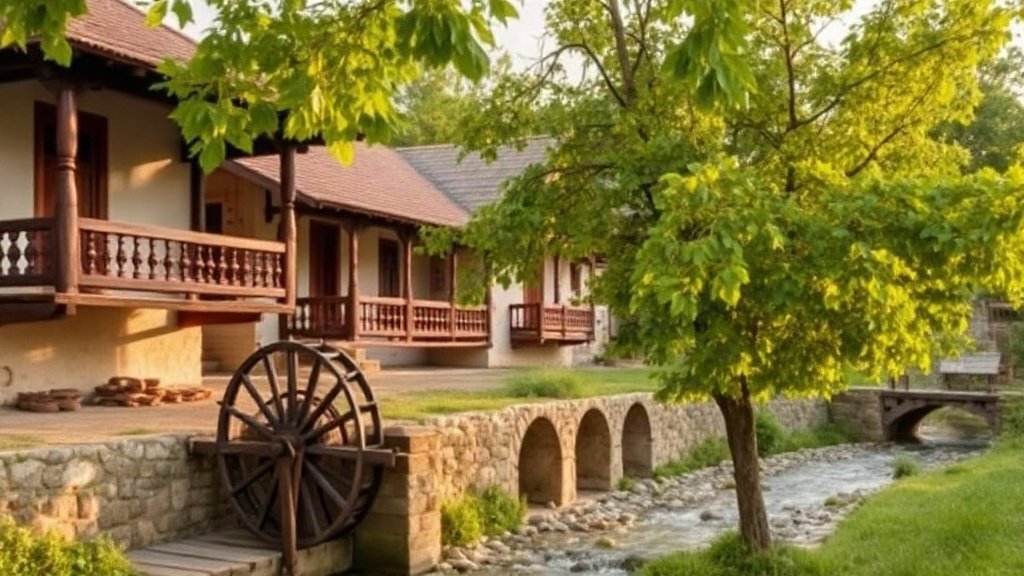
Illustration: AI-generated image
Etara, sometimes written Etar, is an open-air ethnographic museum set in a leafy valley just south of Gabrovo in central Bulgaria. It recreates a village from the Bulgarian National Revival, a period of cultural and economic awakening in the 18th and 19th centuries when crafts, trade and education flourished. With its water-powered workshops, cobbled lanes and traditional houses, Etara offers travellers a vivid glimpse into that world.
A window into the Bulgarian Revival
The museum was founded in 1964 and spreads over about 7 hectares along the Sivek River, a tributary of the Yantra. Its collection includes more than 50 buildings, many of them original structures moved from nearby villages and carefully restored. The river's flow once turned the wheels that powered mills, fulling machines and lathes, and today many of these mechanisms still work. Craftspeople use them to demonstrate techniques that have changed little in centuries.
The Bulgarian National Revival saw a surge in skilled trades such as pottery, weaving, metalwork and woodcarving. Etara focuses on these crafts, showing how they supported rural communities and helped fuel a sense of national identity. The museum is named after the river Etara, which flows through this part of the Balkan Mountains.
What to see and do
Visitors can wander along stone paths past two-storey houses with overhanging upper floors, carved wooden ceilings and potted geraniums in the windows. Workshops are set up as they would have been a century and a half ago: a potter works at a kick wheel, a coppersmith hammers bowls, and a woodcarver chips intricate patterns into a chair back. There is also a bakery with a wood-fired oven where you can watch bread being made, and a clock tower that chimes on the hour. The constant sound of running water and the rhythmic clatter of looms give the place a calm, almost hypnotic feeling.
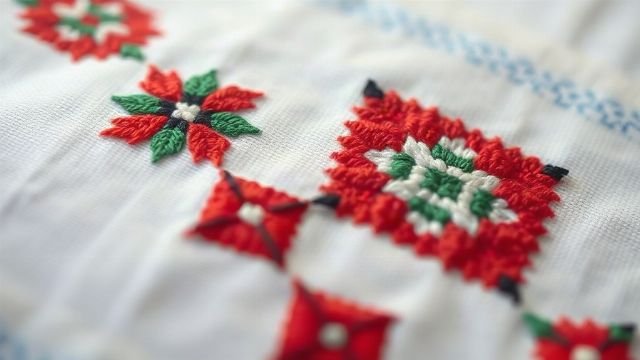
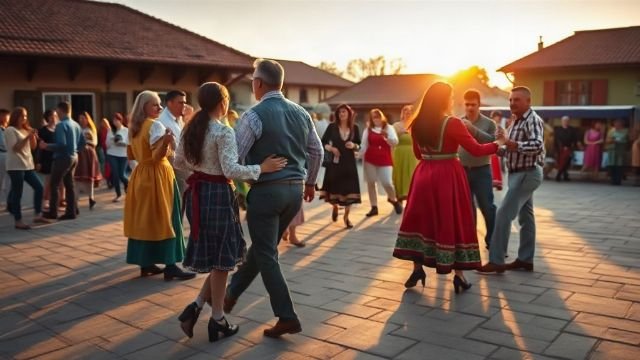
Several small exhibition spaces display regional costumes, household items and old photographs. Interpretive signs are in Bulgarian and English, making it easy to understand what you are seeing. During summer weekends, the museum sometimes hosts folk music performances and craft demonstrations, but even on a quiet weekday it is full of life.
Practical tips for your visit
- Location: Etara lies about 8 km south of Gabrovo, on the road towards Shipka Pass. It is well signposted from the town centre.
- Getting there: If you are driving, there is a car park near the entrance. Public buses run from Gabrovo's bus station to the museum several times a day, though the schedule is reduced on weekends and holidays. Taxis from Gabrovo are also an option.
- Best time to go: The museum is open year-round, but late spring and early autumn offer the most comfortable temperatures for walking outdoors. Summer can be hot, while winter brings occasional snow that transforms the red-tiled roofs into a scene from a folk tale.
- Allow time: Plan for at least two hours to explore at a relaxed pace. The site is partly on a slope, so wear sturdy shoes and bring water in warm weather.
Etara is not a destination for adrenaline, but if you enjoy history, craftsmanship and a slower kind of travel, it makes a rewarding stop on a journey through the Balkan Mountains. Pair it with a visit to the town of Gabrovo, known for its long tradition of humour, and you have a full day of Bulgarian character.