Driving in Bulgaria: A Practical Guide for Visitors
From required documents and road rules to winter tyres and parking tips, here's what you need to know before getting behind the wheel in Bulgaria.
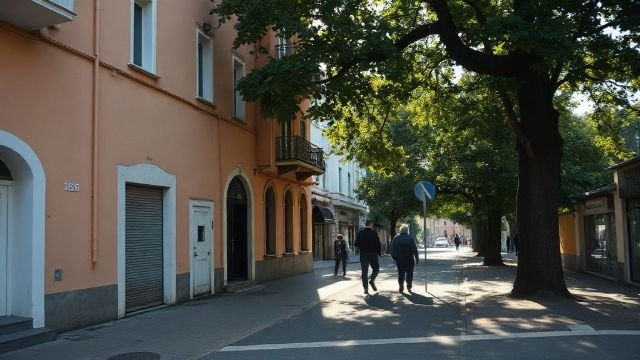
Illustration: AI-generated image
Bulgaria's scenic mountain passes, historic towns and Black Sea coastline make it an appealing destination for a self-drive holiday. While public transport is extensive, having your own vehicle offers the freedom to explore at your own pace. If you're considering hiring a car or driving your own vehicle into Bulgaria, a little preparation goes a long way.
What you need before you drive
To drive legally in Bulgaria, you must carry a valid driving licence. EU and EEA licences are accepted as is; drivers from other countries may need an International Driving Permit alongside their national licence, so check before you travel. You also need your vehicle registration document and proof of motor insurance. Bulgaria requires third-party liability cover, which is usually provided by a Green Card for foreign vehicles or included in rental agreements.
All vehicles using Bulgaria's national road network must display a valid e-vignette, an electronic toll sticker. You can purchase it online, at border crossings, petrol stations or self-service kiosks. The vignette is linked to your registration plate, so there is no physical sticker to display. Fines for driving without a valid vignette are significant, so buy one before setting off.
Rules of the road
Traffic in Bulgaria drives on the right, and seat belts are mandatory for all occupants. The use of dipped headlights is required at all times, even during daylight hours. The legal blood alcohol limit is 0.05%, but for professional drivers and those with less than two years of experience it is effectively zero. Police checkpoints are common, and penalties for drink-driving are severe.
Speed limits are generally 50 km/h in built-up areas, 90 km/h outside towns and 140 km/h on motorways, unless otherwise signed. Be aware that roads outside major cities can vary in quality, and mountain passes may be narrow with sharp bends. Overtaking is on the left, and trams always have priority in urban areas.
Children under 12 years old or shorter than 150 cm must use an appropriate child restraint system. Mobile phone use while driving is prohibited unless you have a hands-free system.
Winter driving and mountain roads
Between 15 November and 1 March, Bulgarian law requires vehicles to be fitted with winter tyres or to carry snow chains when conditions demand. This applies to all roads, but mountain areas such as the Rila, Pirin, Rhodope and Balkan ranges can experience snow and ice well into spring. Always check the weather forecast before driving in the mountains, and carry extra supplies if you plan to cross high passes.
Some mountain roads, including those to ski resorts like Bansko or Borovets, are well maintained during winter, but secondary roads may be temporarily closed after heavy snowfall. A four-wheel-drive vehicle is not necessary for most routes, but good tyres and caution are essential.
Parking and city driving
In larger cities like Sofia, Plovdiv and Varna, on-street parking is usually paid and divided into zones. Payment is typically made by SMS, mobile app or at ticket machines, and enforcement is active. Look for blue zone signs, which indicate paid parking areas with time limits. In smaller towns and rural areas, parking is generally free but can be limited in historic centres with narrow streets.
Traffic in cities can be busy during rush hours, and one-way systems are common. If you are not confident, consider parking outside the centre and using public transport or walking. Many hotels provide private parking, often for an additional fee.
Tips for a smooth trip
- Always keep your driving licence, registration and insurance documents in the car.
- Carry a reflective warning triangle and a first-aid kit; they are mandatory in Bulgaria.
- Fuel stations are frequent along main roads and motorways, but less so in remote rural areas—plan accordingly.
- Road signs are in Bulgarian and sometimes in English on major routes; having a GPS or offline map is helpful.
- Watch for pedestrians, cyclists and horse-drawn carts, especially in villages and rural areas.
Driving in Bulgaria can be a rewarding way to discover hidden gems, from Thracian tombs to mountain monasteries. With a bit of preparation, you can enjoy the open road safely and legally.