Tsarevets: Bulgaria's Medieval Fortress and Symbol of Royal Power
Perched above Veliko Tarnovo, Tsarevets Fortress tells the story of the Second Bulgarian Empire through its imposing walls, royal ruins and panoramic views.
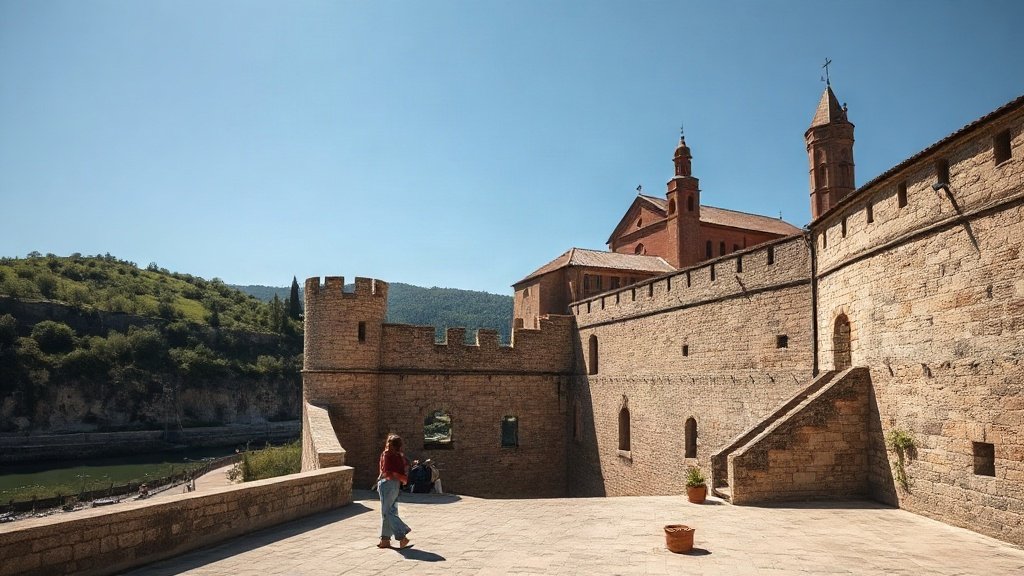
Illustration: AI-generated image
Rising above the river Yantra in the heart of Bulgaria, Tsarevets Fortress is the country's most iconic medieval landmark. This fortified hill served as the capital of the Second Bulgarian Empire from the late 12th to the late 14th century, and today its restored walls and towers draw visitors from around the world. Whether you are a history enthusiast or simply looking for panoramic views of Veliko Tarnovo, Tsarevets offers a tangible connection to Bulgaria's royal past.
The fortress's history stretches back to antiquity, with evidence of Thracian and Roman settlement on the hill. However, it gained prominence in 1185 when the Asen brothers led a successful uprising against Byzantine rule and established the Second Bulgarian Empire. Tsarevets became the seat of the new tsars, and over the next two centuries it developed into one of the most impressive cities in medieval Europe, described by contemporaries as a 'second Constantinople'.
The Seat of Power
Tsarevets was not just a military stronghold; it was the political and spiritual centre of the empire. The hilltop housed the royal palace, the patriarchal complex, and numerous churches and administrative buildings. The palace, though now in ruins, once boasted grand halls and defensive towers. Nearby, the Patriarchal Church of the Ascension, reconstructed in the 1980s, stands as a symbol of the Bulgarian Orthodox Church's authority during the empire's golden age.
The fortress is encircled by thick stone walls that follow the natural contours of the hill, with three main gates providing access. The most famous tower is Baldwin's Tower, named after the Latin Emperor Baldwin I, who according to legend was imprisoned there after being captured by Tsar Kaloyan in 1205. While the original tower is long gone, the modern reconstruction helps visitors imagine the fortress's former might.
Exploring the Hill Today
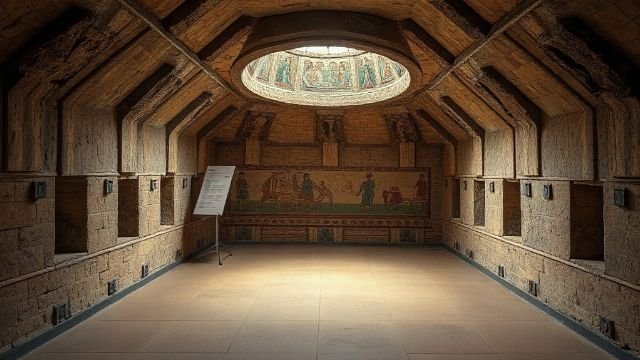
Visitors enter Tsarevets through a restored gate and can wander along the walls, climb the towers, and explore the foundations of medieval buildings. The execution rock, a sheer cliff on the northern side, offers dramatic views and a reminder of the fortress's grim history. The restored patriarchal church features modern frescoes that depict Bulgarian history in a striking, contemporary style.
In the evenings, a spectacular sound and light show occasionally illuminates the hill, using music and lasers to tell the story of Bulgaria's past. This multimedia event transforms the ancient stone into a canvas of colour, attracting crowds who gather on the nearby square to watch. Even without the show, sunset from the fortress is a magical experience, with the rooftops of Veliko Tarnovo spreading out below.
In 1393, after a three-month siege, the fortress fell to the Ottoman Turks, marking the end of the Second Bulgarian Empire. The hill was largely abandoned and remained in ruins for centuries. It was not until the late 19th century, after Bulgaria's liberation, that Tsarevets began to be studied and later partially restored. In the 1930s, the Baldwin Tower was rebuilt, and in the 1980s, the patriarchal church was reconstructed to commemorate the 1300th anniversary of the Bulgarian state. Today, the fortress stands as a powerful symbol of medieval Bulgarian statehood and cultural achievement.
For anyone visiting Bulgaria, Tsarevets is a must-see. It is more than a ruin; it is a living monument to the nation's medieval grandeur and a reminder of the resilience that has shaped Bulgarian identity for centuries.