Bulgarian Yogurt: The Tangy Treasure of the Balkans
Discover the history, making, and everyday enjoyment of Bulgarian yogurt, a staple with a distinctive sour taste and thick texture that has been part of local life for millennia.
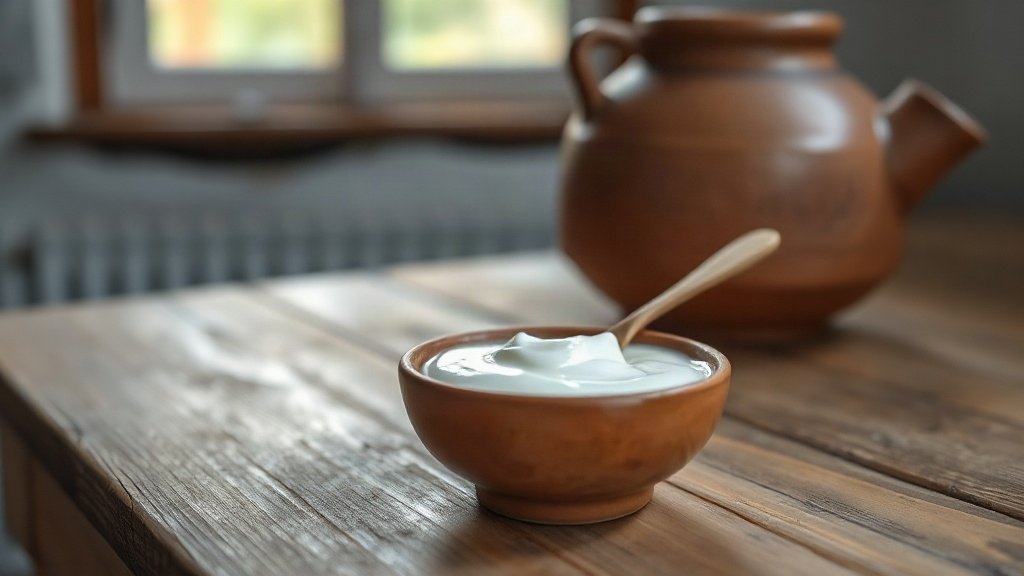
Illustration: AI-generated image
Walk into any Bulgarian home and you will likely find a jar of homemade yogurt in the fridge. Known locally as kiselo mlyako, meaning sour milk, this thick, tangy dairy product is far more than a breakfast item. It is a symbol of national identity, a daily staple, and a tradition passed down through generations.
The Origins of Bulgarian Yogurt
Bulgaria claims to be the homeland of yogurt, and with good reason. The country is home to Lactobacillus bulgaricus, a bacterium named after the nation and essential for making authentic yogurt. Ancient Thracians, who inhabited these lands, are believed to have discovered that milk carried in animal-skin bags would ferment into a thicker, longer-lasting food. Over centuries, the practice evolved into a craft, with shepherds in the mountains perfecting techniques that are still used today.
How Bulgarian Yogurt is Made
Traditional Bulgarian yogurt starts with milk from sheep, cows, buffalo, or a mixture. The milk is heated gently, then cooled to a temperature that allows the cultures to thrive. A small amount of previous yogurt is added as a starter, and the mixture is kept warm for several hours until it sets into a firm, creamy mass. The result is characteristically sour and dense—so thick that a spoon can stand upright in it. Many families still make yogurt at home, using methods handed down from grandmothers, and the starter culture itself is often treasured and shared.
Eating Bulgarian Yogurt
Yogurt is eaten throughout the day in Bulgaria. At breakfast, it is drizzled with honey or topped with homemade jam. It forms the base of tarator, a cold summer soup with cucumbers, garlic, dill, and walnuts. Mixed with water and a pinch of salt, it becomes ayran, a refreshing drink served with meals. Yogurt also appears as a side dish, cooling the heat of spicy stews and grilled meats, and it is an essential ingredient in many baked goods and desserts.
Making Your Own Bulgarian Yogurt at Home
Creating Bulgarian-style yogurt at home is simple and rewarding. Heat whole milk until it just begins to steam and small bubbles form at the edges, then let it cool until it feels comfortably warm on your wrist. Whisk in a spoonful of live-culture yogurt as a starter, pour the mixture into a clean container, cover it, and keep it warm (such as wrapped in a towel near a radiator) for six to eight hours. Once set, refrigerate for a few hours before eating. The first batch may be milder; save a few spoonfuls to use as the starter for your next batch, and the flavour will deepen over time.
Whether enjoyed plain, in a soup, or as a drink, Bulgarian yogurt offers a taste of tradition that has nourished generations. Its unique tang and thick texture are a reminder of a culture that values simple, wholesome food.