Trifon Zarezan: Bulgaria's Day of the Vine and Wine
Every year on 14 February, Bulgarians honour Saint Trifon, the patron of vine growers, with a joyful ritual of pruning and celebration that marks the start of the vine-growing season.
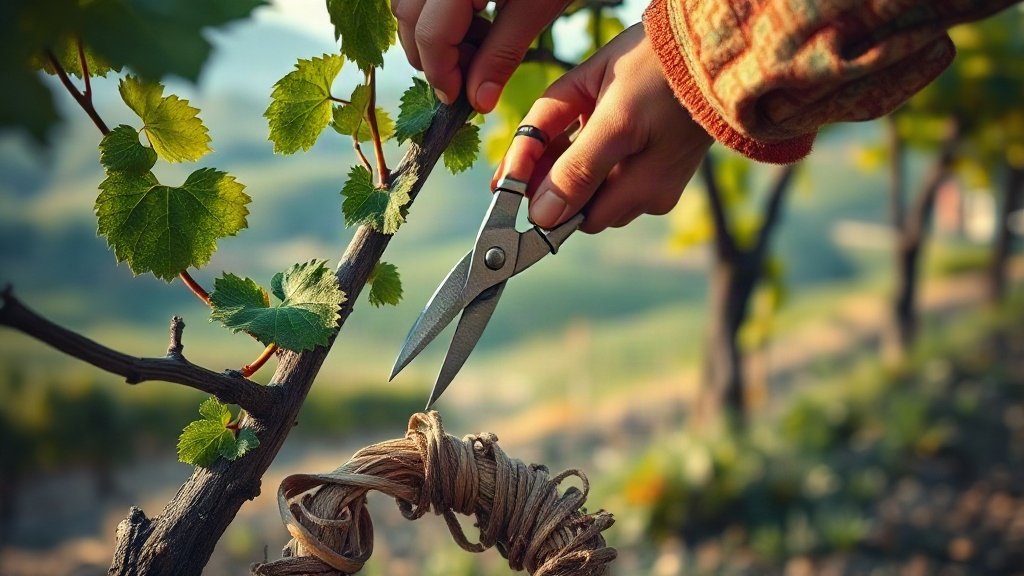
Illustration: AI-generated image
While much of the world celebrates Valentine's Day on 14 February, Bulgaria has its own beloved tradition on this date: Trifon Zarezan. Named after Saint Trifon, the patron saint of vine growers and wine, the day is an occasion for communities to head to the vineyards, prune the dormant vines, and welcome the coming spring with song, food, and plenty of good cheer.
Origins and Legend
The roots of Trifon Zarezan blend Christian tradition with older pagan customs tied to the agricultural cycle. According to one popular legend, Saint Trifon was pruning his vineyard when the Virgin Mary passed by. He made a disrespectful remark, and as punishment, he accidentally cut his own nose with the pruning shears. The story is told with affection, and some regions playfully refer to the saint as 'Trifon the Noseless'. Despite the tale, Saint Trifon is deeply revered as a protector of vineyards, and his feast day marks the moment when the vines are ready to be pruned after winter dormancy.
The Ritual of Pruning
Trifon Zarezan is above all a working holiday. Early in the morning, vine growers and their families go out to the vineyards. The day begins with a short blessing, often led by the oldest or most respected member of the community. Then the first three vine stocks are pruned, and the cut branches are shaped into a wreath or crown. The person chosen to perform the first cuts is sometimes honoured as the 'king of the vines' for the day — a role traditionally given to the best or luckiest vine grower. After the pruning, red wine is poured onto the roots of the vines as a libation, a gesture believed to ensure a rich harvest. The remaining pruning work may continue, but the atmosphere is festive rather than rushed.
Celebration and Customs
Once the symbolic pruning is done, the celebration moves to a shared feast. Families and friends gather for a meal that typically includes freshly baked bread, roasted meat, pickles, and, of course, local wine. The 'king of the vines' is toasted repeatedly, and traditional songs and horo dances often follow. In some villages, the crown made from vine cuttings is placed on the king's head, and he is carried through the streets or led on a decorated cart. The festivities can last well into the afternoon, blending work and play in a way that reflects the deep connection between Bulgarian culture and the land.
Today, Trifon Zarezan remains widely observed across Bulgaria, from small family vineyards to larger wine-producing regions. While modern wineries may hold their own events, the heart of the tradition stays in the villages, where the rhythm of the vine still shapes the calendar. For visitors, witnessing Trifon Zarezan offers a warm and authentic glimpse into Bulgaria's rural heritage and its enduring love of the vine.