The Haunting Polyphony of the Rhodope Mountains: Bulgaria's Soulful Song Tradition
Discover the unique two-part singing style that echoes through Bulgaria's southern highlands, a tradition that has captivated listeners for centuries and even reached the stars.
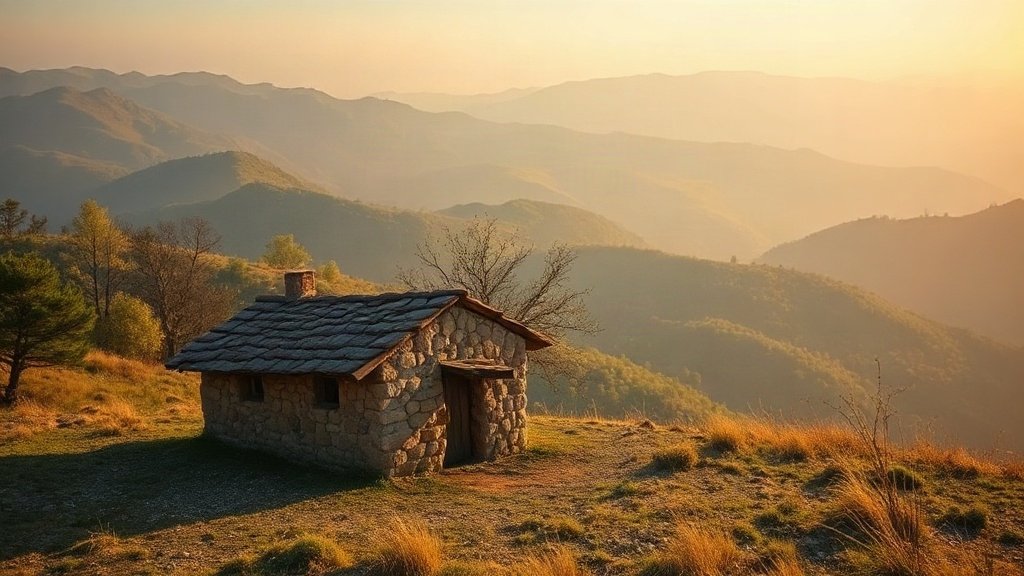
Illustration: AI-generated image
Visitors to Bulgaria's Rhodope Mountains often speak of a sound that seems to rise from the very landscape itself: a slow, ornamented melody floating over a deep, steady drone, sung by voices in perfect, unconventional harmony. This is the Rhodope song, a style of folk singing unique to the region and one of the most distinctive elements of Bulgaria's musical heritage.
Unlike the richly embellished solo singing of Thrace or the spirited, high-pitched songs of the Shopluk region, Rhodope music is characterised by its austerity and depth. The most common form is two-part singing, where one voice carries the melody while another sustains a low, continuous drone, often a fifth or an octave below. The melody itself is built on an ancient pentatonic scale, lending it a timeless, almost otherworldly quality. Rhythms are typically free and unmeasured, with long, drawn-out phrases that follow the contours of speech and emotion.
A Sound Born from the Mountains
The style's origins are lost in antiquity, but its development is closely linked to the pastoral life of the Rhodope region. Shepherds, spending long months alone in the high pastures, developed a vocal tradition that could carry across vast distances and express both joy and melancholy. The themes of Rhodope songs are often epic, recounting heroic deeds, love, separation, and the beauty of the natural world. One of the most famous melodies, 'Izlel e Delyo Haydutin', tells the story of a rebel leader and was selected to represent human culture on NASA's Voyager Golden Record in 1977.
Where to Experience the Tradition Today
Despite modernisation, Rhodope singing remains a living tradition, kept alive by community groups, village festivals, and dedicated teachers. The town of Shiroka Laka, known for its music school, is particularly associated with the style, and the annual folk festival there draws performers and audiences from across the country. Even outside formal events, one might hear the songs at family gatherings, in small mehanas, or during the long evenings of the summer 'sabori' (village fairs). For visitors, the best way to appreciate the music is to listen with an open heart and let the harmonies wash over you.
Whether heard in a remote mountain village or on a recording, the polyphonic songs of the Rhodope Mountains offer a profound connection to Bulgaria's ancient soul. They are a reminder that music can be both deeply local and universally moving.