A Guide to Bulgarian Superstitions: Everyday Beliefs and How to Navigate Them
From warding off the evil eye to avoiding whistling indoors, Bulgarian superstitions are woven into daily life. Here’s what to know and how to respond.
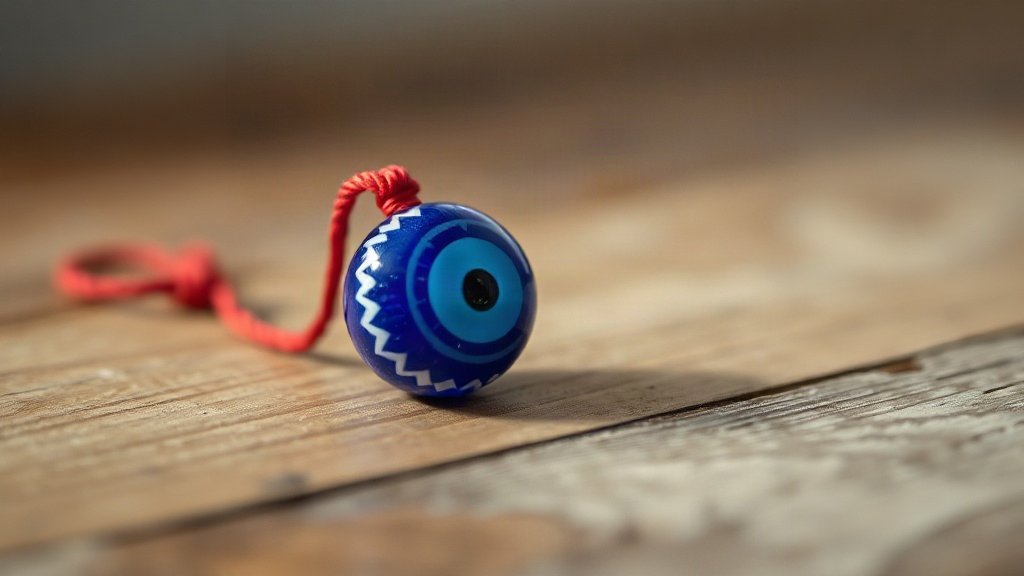
Illustration: AI-generated image
Bulgaria has a rich folklore tradition, and many superstitions have survived into modern daily life. While younger generations may not take them literally, these beliefs still influence behaviour, especially in homes and within families. Understanding them can help you avoid misunderstandings and show respect for local customs.
Common Superstitions and Their Meanings
Here are some of the most widespread Bulgarian superstitions you might encounter:
- The Evil Eye (Uroki): The belief that excessive praise or envy can cause harm, especially to children, animals, or even objects. To protect against it, Bulgarians often tie a red thread around a child’s wrist, attach a blue bead (muhlyovitsa) to a baby’s clothing, or place a garlic clove in a pocket. If someone praises your child or your new car, you might hear them say “da ne e uroki” (may it not be the evil eye) and spit three times—usually symbolically. Don’t be alarmed; it’s a protective gesture.
- Whistling Indoors: Whistling inside a house is believed to “whistle away your money,” leading to poverty. You’ll rarely hear Bulgarians whistle at home, and it’s best to avoid doing so yourself, especially in someone else’s home.
- Handing Things Over a Threshold: Never pass money, keys, or even a handshake across the doorway. It is thought to bring bad luck or sever the relationship. Step outside or invite the person in before exchanging anything.
- Knocking on Wood: To avoid tempting fate after saying something optimistic, Bulgarians knock on wood (chukam na darvo) and say “da ne slucha” (may it not happen). You’ll see this done after phrases like “I’ve never been ill.”
- Spilling Salt: Spilling salt is considered bad luck, often predicting an argument. The remedy is to throw a pinch of the spilled salt over your left shoulder with your right hand.
- Sitting at the Corner of a Table: If you are unmarried and sit at the corner of a table, you will not get married for seven years. This is often said jokingly, but some people still avoid corner seats.
- Bread Placement: Bread should always be placed on the table with the top side up. Placing it upside down is believed to bring bad luck or even death.
- Itchy Palms: An itchy left palm means you will receive money soon, while an itchy right palm means you will give money away.
- Black Cats: A black cat crossing your path is traditionally seen as bad luck. To ward it off, you can spit three times over your left shoulder or wait for someone else to pass first.
- Broken Mirrors: Breaking a mirror brings seven years of bad luck. Many Bulgarians will carefully dispose of the pieces, often burying them or throwing them into running water.
- Burning Ears: If your ears are burning or ringing, it means someone is talking about you. The left ear means they are saying good things; the right ear means bad things.
- Spiders: Seeing a spider in the morning is a sign of good news, while seeing one at night foretells bad news. Many Bulgarians will not kill a spider, instead carefully moving it outside.
- Wearing Clothes Inside Out: Accidentally putting on a garment inside out is considered good luck. However, you should not correct it until someone notices; otherwise, you will “turn your luck away.”
Practical Tips for Visitors and New Residents
While you are unlikely to be judged for not following these superstitions, being aware of them can help you understand local reactions and avoid accidental offence.
If you are invited to a Bulgarian home, remember not to whistle, and if you are handing over a gift, don’t do it across the threshold. If you notice a red thread on a baby’s wrist or a blue bead on a pram, don’t comment on it dismissively—it is a sign of care, not fear.
When someone knocks on wood or spits after praising something, it is not a sign of disbelief in you; it is a cultural reflex. You may even find yourself adopting some of these habits after living in Bulgaria for a while, as they add a touch of folk wisdom to everyday life.
Superstitions are most alive in rural areas and among older generations, but even in cities, you will encounter them in small ways. Respecting them is part of embracing Bulgarian culture.