Sozopol: A Guide to Bulgaria's Ancient Coastal Gem
Discover Sozopol, one of Bulgaria's oldest towns, with its charming old quarter, sandy beaches and rich history.
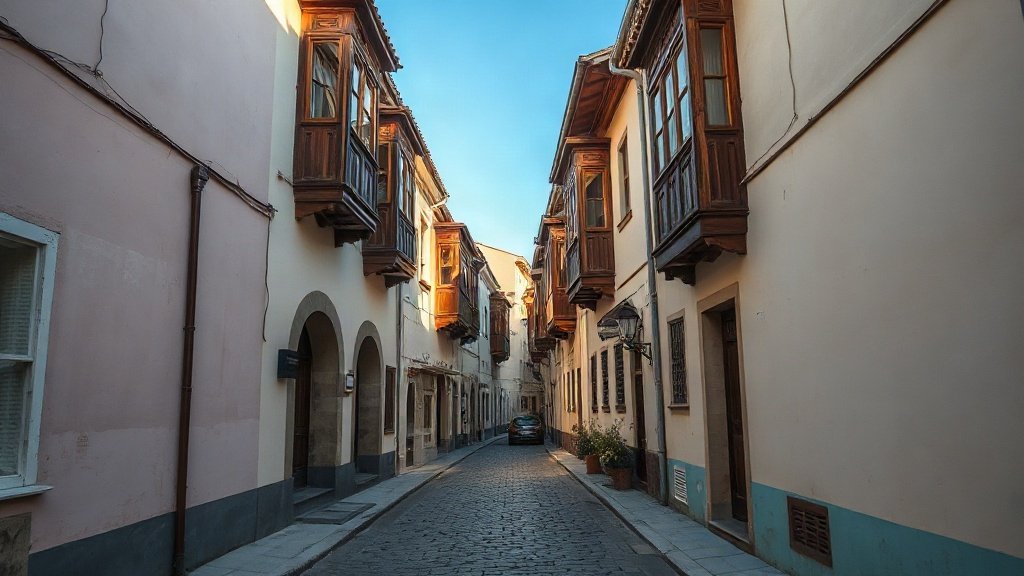
Illustration: AI-generated image
Sozopol, perched on a rocky peninsula jutting into the Black Sea, is one of Bulgaria's most captivating coastal destinations. Founded in the 7th century BC by Greek settlers as Apollonia Pontica, it is among the oldest towns on the Bulgarian coast, with a history that spans more than 2,600 years. Today, Sozopol charms visitors with its atmospheric old town, two sandy beaches and a relaxed atmosphere that makes it an ideal base for exploring the southern Bulgarian coastline.
The town is divided into two distinct parts: the Old Town on the peninsula and the newer area on the mainland, known as Harmanite. The Old Town is a maze of narrow cobbled streets lined with traditional 18th- and 19th-century houses. These charming buildings feature stone ground floors and wooden upper storeys with overhanging bay windows, many painted in warm ochres and deep browns. Wandering the lanes, you will pass small art galleries, craft shops and family-run restaurants tucked into restored homes.
Exploring the Old Town
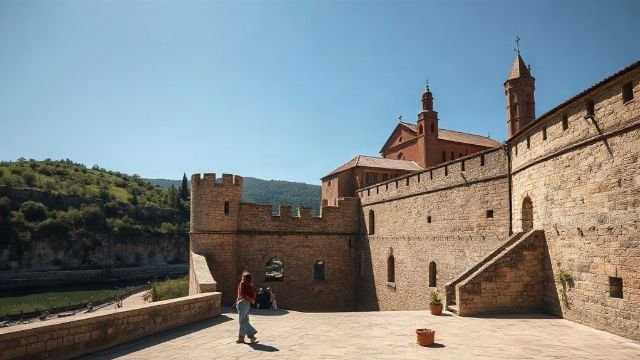
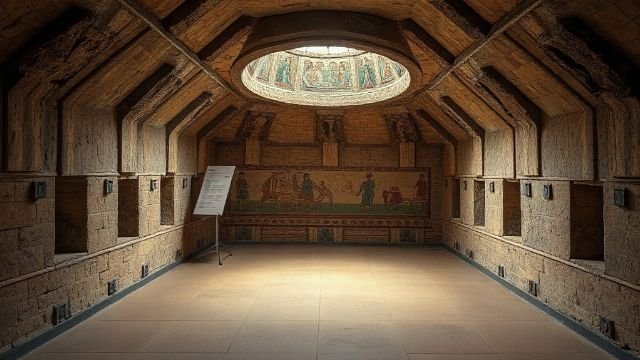
Start your visit at the remains of the medieval fortress walls that once protected the town. The southern gate, located near the sea, offers a glimpse into Sozopol's defensive past. A short walk away is the Church of St George, one of the oldest churches in the town, housing a collection of icons. The nearby Archaeological Museum displays finds from the ancient city of Apollonia, including Greek pottery, coins and marble sculptures.
One intriguing exhibit is the so-called "vampire of Sozopol" – a skeleton found with an iron stake driven through its chest, a medieval burial practice to prevent the dead from rising. While it may sound macabre, it is a fascinating insight into historical beliefs.
For the best views, head to the tip of the peninsula, where the remains of a temple to Apollo once stood. From here, you can see the modern town, the sandy beaches and, on clear days, the island of St Ivan, which is home to a ruined medieval monastery and a colony of seagulls.
The Beaches and Beyond
Sozopol has two main beaches within walking distance of the old town. Central Beach, as the name suggests, sits right below the old town and is small but convenient, with calm waters and plenty of nearby cafés. Harmanite Beach is larger and stretches south from the new town; it is popular with families and offers a wider expanse of golden sand. Both beaches are well maintained and offer sunbeds and umbrellas for hire.
If you want a break from the sand, take a short boat trip around the coast or to St Ivan Island. The waters around the island are clear and good for snorkelling. Back on land, a walk along the coast to the south leads to quieter coves and rocky platforms frequented by locals.
Sozopol is also a good base for exploring the southern Black Sea coast. The bustling city of Burgas is only about 35 km away, and the ancient town of Nessebar, another UNESCO World Heritage site, is less than an hour's drive north.
Practical Tips
Getting to Sozopol is straightforward. The nearest airport is Burgas, and regular buses run from Burgas bus station to Sozopol, taking around 45 minutes. If you drive, note that the Old Town is largely pedestrianised, so leave your car in one of the paid car parks on the outskirts and walk in.
The best time to visit is in late spring (May–June) or early autumn (September), when the weather is warm but the crowds are thinner than in July and August. Even in peak season, Sozopol retains a more authentic atmosphere than some of the larger purpose-built resorts further north.
Whether you come for history, beaches or simply to soak up the atmosphere of a town that has welcomed visitors for millennia, Sozopol offers a delightful slice of Bulgaria's Black Sea coast.