A Guide to Bulgaria's Rose Valley: From Petal to Perfume
Discover the fragrant heart of Bulgaria, where damask roses have been cultivated for centuries and rose oil is cherished worldwide.
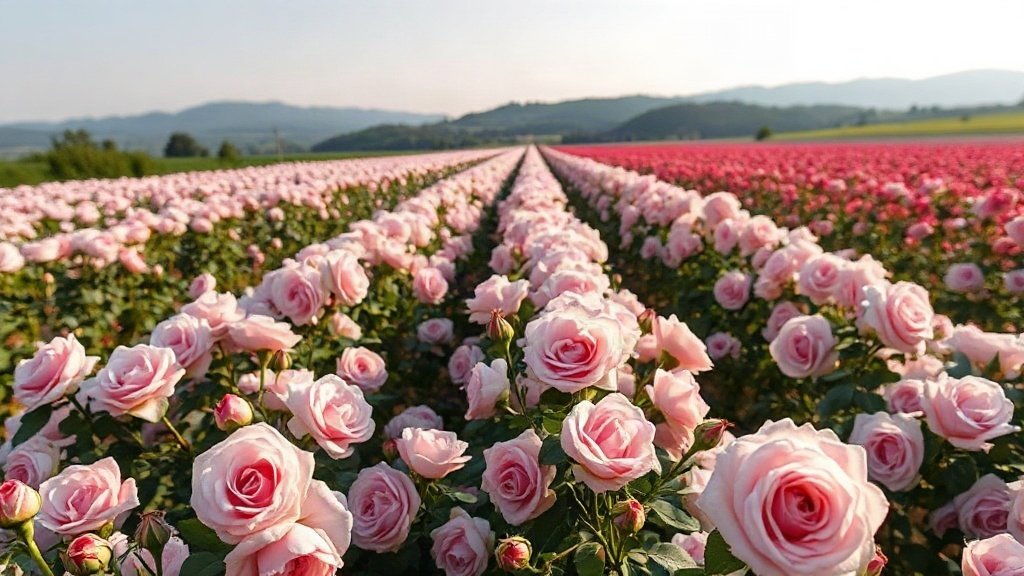
Illustration: AI-generated image
The Rose Valley, nestled between the Balkan Mountains and the Sredna Gora range in central Bulgaria, is one of the country's most fragrant treasures. For over three centuries, this region has been synonymous with the cultivation of the Damask rose, a delicate pink flower prized for its essential oil. Today, Bulgaria produces a significant share of the world's rose oil, and the valley draws visitors eager to see the blossoms, learn about distillation, and experience a living tradition.
Where the Roses Grow
The heart of the Rose Valley lies around the towns of Kazanlak and Karlovo, though rose fields stretch across the entire valley. The specific microclimate—mild winters, warm summers, and well-drained sandy soils—creates ideal conditions for the Damask rose. These roses are not your typical garden variety; they have a short flowering period and an intensely rich fragrance that is captured through steam distillation. Much of the cultivation is done on small family plots, and the knowledge of growing and harvesting is often passed down through generations.
Rose Picking Season
Rose picking takes place for only a few weeks each year, usually from mid-May to early June. The blossoms must be gathered early in the morning, before the sun becomes too strong, as the essential oil content is highest at dawn. Pickers move quickly through the rows, plucking the open flowers and placing them in woven baskets or sacks tied around their waists. It is a labour-intensive process: roughly 3,000 to 4,000 kilograms of petals are needed to produce just one kilogram of rose oil. The season is a time of great activity and celebration in the valley, and many visitors time their trips to coincide with it.
From Petal to Essential Oil
Once picked, the petals are taken to local distilleries, where they are steamed in copper stills to extract the essential oil. The process has remained largely unchanged for centuries, relying on fire, water, and time. The resulting oil, often called 'liquid gold', is used in high-end perfumery, cosmetics, and even cuisine. A secondary product, rose water, is also produced and is used in traditional sweets, drinks, and religious rituals. Visiting a working distillery during the season offers a rare chance to see this craft up close, and many places allow visitors to observe the distillation process and smell the fresh oil.
Visiting the Rose Valley
The town of Kazanlak is the cultural hub of the region. Its Rose Museum, housed in a building from the early 20th century, provides a comprehensive look at the history of rose cultivation in Bulgaria, with exhibits on old distilling equipment, photographs, and samples of rose products. The nearby Thracian Tomb of Kazanlak, a UNESCO World Heritage site with beautifully preserved Hellenistic frescoes, is another must-see. For a more immersive experience, many rose farms welcome visitors during the picking season, allowing you to join the harvest or simply wander among the fragrant rows. The annual Rose Festival, held in Kazanlak, features folk music, parades, and the crowning of a Rose Queen, but even outside the festival dates, the valley offers plenty to explore.
Practical Tips for Travellers
The Rose Valley is easily reached from Sofia or Plovdiv by car or bus, with the journey taking around two to three hours. The best time to visit is during the picking season, but the landscape is beautiful year-round; in late spring, the fields are a sea of pink, while in autumn, the surrounding mountains turn golden. Pack comfortable shoes for walking in fields, a hat and sunscreen for the early morning sun, and a camera—the sight of rows of blooming roses against the backdrop of the Balkans is unforgettable. Be respectful of private property: always ask before entering a field, and never pick roses without permission. If you visit a distillery, be prepared for strong, beautiful aromas and perhaps take home a small bottle of rose oil or rose water as a fragrant souvenir.