A Practical Guide to Exporting Goods from Bulgaria
Bulgaria's EU membership and strategic location make it an attractive base for exporters. Learn the essential steps, documents, and logistics for shipping goods abroad.
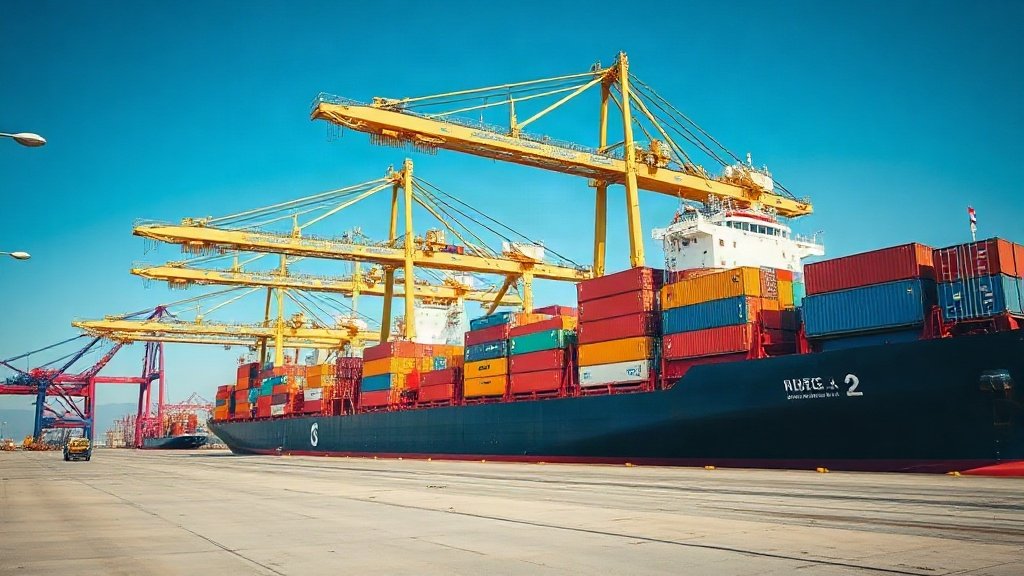
Illustration: AI-generated image
Bulgaria sits at the crossroads of Europe and Asia, making it a natural hub for trade. As an EU member state, Bulgarian businesses enjoy access to the single market and a harmonised customs framework. For entrepreneurs and small businesses looking to expand beyond local borders, exporting can open up significant growth opportunities. This guide walks you through the essentials of getting your products from Bulgaria to international buyers.
Why export from Bulgaria?
Beyond the strategic location, Bulgaria offers relatively low production costs, a skilled workforce, and favourable trade agreements. The country is part of the EU Customs Union, meaning goods moving within the EU face no customs duties or routine border checks. For exports to non-EU countries, Bulgaria applies the EU's common external tariff and trade policies, and benefits from the EU's network of free trade agreements with dozens of nations.
Understanding export procedures
The first step in any export transaction is to determine the commodity code of your product using the EU's Combined Nomenclature. This code dictates the duties, taxes, and any restrictions applicable in the destination country. You will also need to check whether your goods require an export licence—for example, dual-use items, cultural goods, or certain agricultural products.
Once the trade terms are agreed with your buyer, you must complete an export declaration. In Bulgaria, this is done electronically through the customs agency's system. Most businesses use a customs broker or a freight forwarder to handle the formalities, but it is possible to do it yourself if you are registered as an authorised economic operator or have a customs agent.
Key export documents
- Commercial invoice – the primary document describing the goods, value, and terms of sale.
- Packing list – details the contents, weights, and dimensions of each package.
- Certificate of origin – sometimes required by the importing country to determine preferential duty rates. The Bulgarian Chamber of Commerce and Industry issues these.
- Transport document – such as a bill of lading for sea freight, air waybill for air freight, or CMR for road transport.
- Export declaration – the electronic customs declaration submitted to Bulgarian customs.
Depending on the product and destination, you may also need certificates for health, phytosanitary, or conformity standards. Always confirm requirements with your buyer or a trade advisor before shipping.
Choosing the right incoterms
Incoterms define who is responsible for transport, insurance, and customs clearance at each stage. The most common for Bulgarian exporters are EXW (Ex Works), FCA (Free Carrier), and DAP (Delivered at Place). For new exporters, FCA is often a good balance: you deliver the goods cleared for export to a carrier nominated by the buyer. Clear communication of incoterms in the contract prevents costly misunderstandings.
Transport and logistics options
Bulgaria's road network connects to major European corridors, making trucking the most popular mode for intra-EU exports. For distant markets, sea freight via the ports of Varna and Burgas or air freight from Sofia Airport are available. Rail is also used for bulk goods, particularly to Central Asia and the Middle East. Choose a freight forwarder with experience in your destination country to handle the paperwork and optimised routing.
Practical tips for first-time exporters
- Start with a market you know well or where demand for your product is proven.
- Get advice from the Bulgarian Small and Medium Enterprises Promotion Agency or a local chamber of commerce.
- Insure your shipments—standard carrier liability is often limited.
- Keep records of all export documents for at least five years, as customs authorities may audit.
- Consider using a letter of credit for high-value transactions to reduce payment risk.
Exporting from Bulgaria is a structured process that becomes smoother with experience. By understanding the documentation, regulations, and logistics, you can confidently tap into global markets and grow your business beyond the local economy.