Bulgarian Herbal Teas: A Guide to Mountain Mint, Linden and More
From fragrant mountain mint to soothing linden blossom, Bulgaria's wild herbs make for a comforting cup. Learn about the most popular varieties and how to brew them.
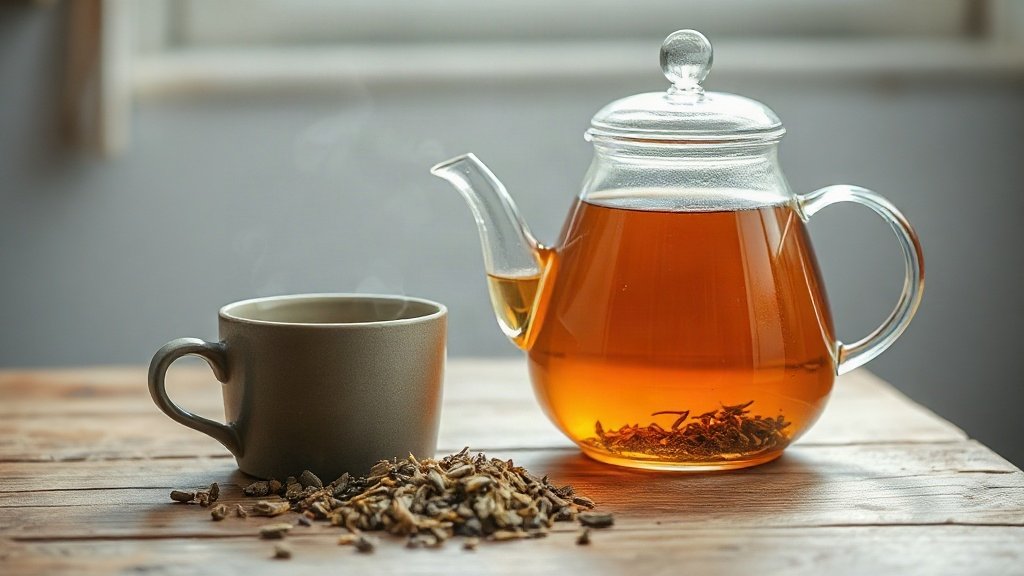
Illustration: AI-generated image
Bulgaria's mountains and meadows are home to a rich variety of aromatic herbs that have been used for centuries to brew comforting, caffeine-free teas. Known locally as bilkov chai (herbal tea), these infusions are a staple in Bulgarian homes, enjoyed for their flavours and traditional associations with wellbeing.
Popular Bulgarian Herbal Teas
Mursalski Tea (Pirin Tea)
This prized herb, Sideritis scardica, grows wild in the Pirin Mountains and is also cultivated in the Rhodopes. Known as mursalski chai or pirinski chai, it has a mild, earthy flavour with a hint of lemon. Locals often drink it warm with honey, especially during colder months.
Linden Blossom (Lipa)
Linden trees are common throughout Bulgarian towns, and their fragrant blossoms are collected in early summer. Linden tea is light, sweet, and floral, often served with a spoonful of honey. It is a popular evening drink.
Mountain Mint (Planinska Menta)
Wild mint grows in the higher meadows and has a stronger, more peppery taste than garden mint. It makes a refreshing infusion, served hot or cooled, and is sometimes mixed with other herbs.
Chamomile (Layka)
Chamomile is widely gathered from fields in spring and summer. Its gentle, apple-like flavour makes it a favourite before bedtime.
Thyme (Mashterka)
Thyme grows abundantly on dry, sunny slopes. Its tea is robust and aromatic, often blended with honey and lemon for a soothing cup.
How to Brew a Perfect Cup
Bulgarian herbal teas are simple to prepare. Use about one teaspoon of dried herb per cup (250 ml) of water. Pour freshly boiled water over the herbs, cover, and steep for 5–10 minutes, depending on desired strength. Strain and serve. Honey is the traditional sweetener, and a slice of lemon complements many flavours.
For a cold infusion, steep the herbs in room-temperature water for several hours, then refrigerate. This method brings out delicate flavours without bitterness.
Where to Find Them
Dried Bulgarian herbs are sold in markets, health food shops, and even supermarkets across the country. Many families also gather and dry their own herbs from clean, unpolluted areas, especially in mountain regions. When foraging, always be certain of plant identification and avoid roadsides or sprayed fields.