Smilyan Beans: Bulgaria's Prized Legume from the Rhodopes
Learn about Smilyan beans, a unique white bean variety grown in the Rhodope Mountains, and how to cook them into a hearty Bulgarian stew.
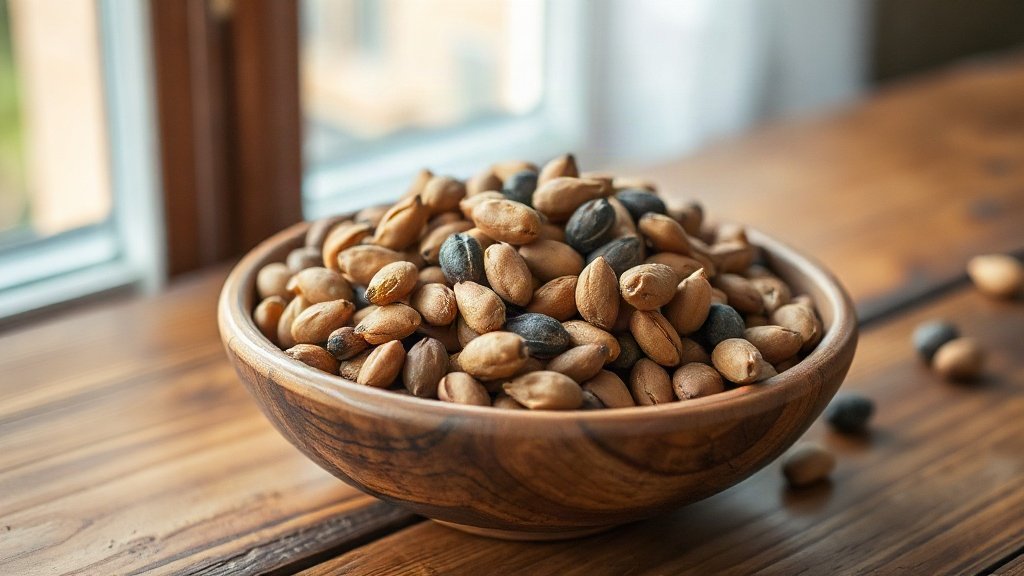
Illustration: AI-generated image
If you ask a Bulgarian food lover to name a truly special local ingredient, Smilyan beans often come top of the list. These large, creamy white beans are grown in and around the village of Smilyan, tucked deep in the Rhodope Mountains in southern Bulgaria. They are prized for their delicate skin, buttery texture and exceptional ability to absorb flavours without turning mushy. Many Bulgarians consider them the finest beans in the country, and they have earned protected geographical indication status from the European Union.
What makes Smilyan beans different
Smilyan beans owe their quality to a mix of mountain climate, mineral-rich soil and traditional farming methods. The cool nights and warm days of the Rhodopes slow the beans' growth, concentrating their starches and giving them a dense yet tender bite. Unlike many commercial beans, they are grown in small plots and harvested by hand, then dried naturally in the sun. The result is a bean with a thin skin that rarely splits during cooking, and a rich, almost nutty flavour that works beautifully in soups, stews and salads.
When shopping for Smilyan beans, look for evenly sized, unbroken beans with a creamy white colour and no musty smell. Stored in an airtight container away from heat and light, they will keep well for up to a year. Like all dried beans, older beans take longer to cook, so try to use them within a few months of purchase.
How to cook Smilyan beans
Smilyan beans do not need to be soaked overnight, though soaking does shorten cooking time and makes them even more digestible. If you soak, cover them with plenty of cold water and leave for 8 to 12 hours, then drain and rinse. For a quick soak, bring them to the boil for two minutes, remove from the heat and let them sit for an hour. Either way, discard the soaking water and start cooking with fresh water.
A simple pot method works well: place the beans in a heavy-bottomed pot, cover with fresh water by about five centimetres, and bring to a gentle boil. Skim off any foam, then reduce the heat to low and simmer, partially covered, until the beans are tender but still hold their shape. This typically takes one to two hours depending on the age of the beans. Add salt only in the last 20 minutes of cooking, as early salting can toughen the skins.
For a classic Bulgarian bean stew, try this easy recipe. It serves four and is perfect with crusty bread and a spoonful of yoghurt.
- 250 g dried Smilyan beans, soaked overnight and drained
- 1 large onion, finely chopped
- 1 carrot, diced
- 1 red pepper, diced
- 2 ripe tomatoes, grated (or 200 ml tomato passata)
- 2 tbsp sunflower oil
- 1 tsp sweet paprika
- 1 tsp dried savoury (chubritsa) or dried mint
- Salt and black pepper to taste
- In a large pot, heat the oil over medium heat and sauté the onion, carrot and red pepper until softened, about 7 minutes.
- Stir in the paprika, cook for 30 seconds, then add the drained beans and enough fresh water to cover by three centimetres.
- Bring to a boil, reduce to a gentle simmer and cook, uncovered, for about 1 hour, adding a little hot water if needed.
- Add the grated tomatoes and dried savoury, and continue simmering until the beans are very tender and the stew has thickened, about 30–40 minutes more.
- Season with salt and pepper to taste. Serve hot, with a dollop of thick yoghurt on the side if you like.
Smilyan beans also shine in cold salads dressed with olive oil, vinegar and fresh herbs, or as a filling for rustic pies. Their mild, creamy flavour makes them a versatile staple for any kitchen, and once you try them, you'll understand why Bulgarians hold them in such high regard.