Bulgarian Meze: A Guide to the Small Plates Tradition
Discover the art of Bulgarian meze – a spread of small, flavourful dishes designed for sharing and socialising. From creamy dips to cured meats, here's what to expect and how to enjoy it like a local.

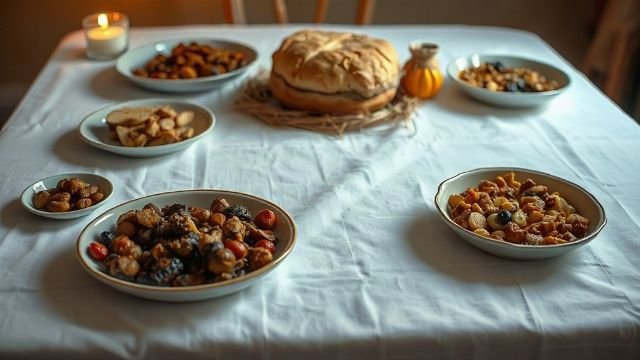
Illustration: AI-generated image
In Bulgaria, eating is rarely a solitary affair. Meals are social events, and few traditions capture this better than meze – a selection of small, savoury dishes meant for sharing, often accompanied by a glass of rakia or wine. Similar in spirit to Spanish tapas or Greek mezedes, Bulgarian meze is less a specific dish and more a way of eating that encourages conversation, leisurely pacing, and a celebration of local produce.
What Is Meze?
Meze (plural: mezeta) refers to an assortment of appetisers or snacks served before or alongside drinks. The word comes from the Persian mazze, meaning 'taste' or 'relish', and it entered Balkan cuisine through Ottoman influence. In Bulgaria, meze can be as simple as a few slices of cheese and bread, or as elaborate as a table laden with a dozen different plates.
Common Meze Dishes
The beauty of meze lies in its variety. While every region and family has its own favourites, some staples appear on tables across the country.
- Dips and spreads: Lutenitsa (a roasted pepper and tomato spread), kyopoolu (smoky aubergine and pepper dip), and katuk (tangy strained yoghurt) are all common. They are typically served with fresh bread or crisp vegetables.
- Cheeses: Sirene (brined white cheese) is essential, often drizzled with olive oil and sprinkled with paprika. Kashkaval (yellow cheese) may be sliced or grilled.
- Cured meats: Lukanka (dry-cured sausage) and pastarma (air-dried beef) add a savoury, salty depth. They are usually served thinly sliced.
- Pickles and salads: Turshiya (mixed pickled vegetables) and shopska salad (tomatoes, cucumbers, peppers, onion, and grated sirene) provide fresh, acidic contrast.
- Hot bites: Small kebapche (grilled minced meat rolls) or fried potatoes with sirene can round out the spread.
How to Enjoy Meze
Meze is not about rushing. It's a ritual that unfolds over hours, often starting in the late afternoon and stretching into the evening. The dishes are placed in the centre of the table, and diners help themselves, taking small portions as they please.
The traditional drink pairing is rakia, Bulgaria's potent fruit brandy, served chilled in small glasses. A sip of rakia followed by a bite of lukanka or a piece of sirene is a classic combination. Wine, especially local reds like Mavrud or Melnik, also works well. Beer is a more casual alternative.
Meze is commonly enjoyed at home when friends visit, but it's also a staple in mehana (traditional taverns) and wine bars. When ordering, it's typical to choose several plates for the table rather than individual starters. Don't be shy about asking for recommendations – servers are usually happy to guide you through the options.
Seasonal Variations
The contents of a meze spread change with the seasons. In summer, fresh tomatoes, cucumbers, and peppers dominate, along with light yoghurt-based dips. Winter brings heartier fare: fermented cabbage, pickled vegetables, and richer meats. Autumn might feature roasted peppers and fresh walnuts, while spring welcomes wild greens and herbs.
Meze at Home
Creating your own Bulgarian meze is simple and rewarding. Start with good-quality sirene and lukanka from a Bulgarian or Balkan grocery. Add a jar of lutenitsa, some olives, and a loaf of crusty bread. If you're feeling ambitious, make a quick shopska salad. Arrange everything on a large platter or several small plates, pour a glass of rakia or wine, and invite a few friends over. The conversation will likely flow as freely as the drinks.