How Bulgarians Celebrate Easter: Red Eggs, Kozunak and Midnight Services
Easter is the most important holiday in the Bulgarian Orthodox calendar, filled with symbolic foods, family gatherings and traditions that stretch back centuries.
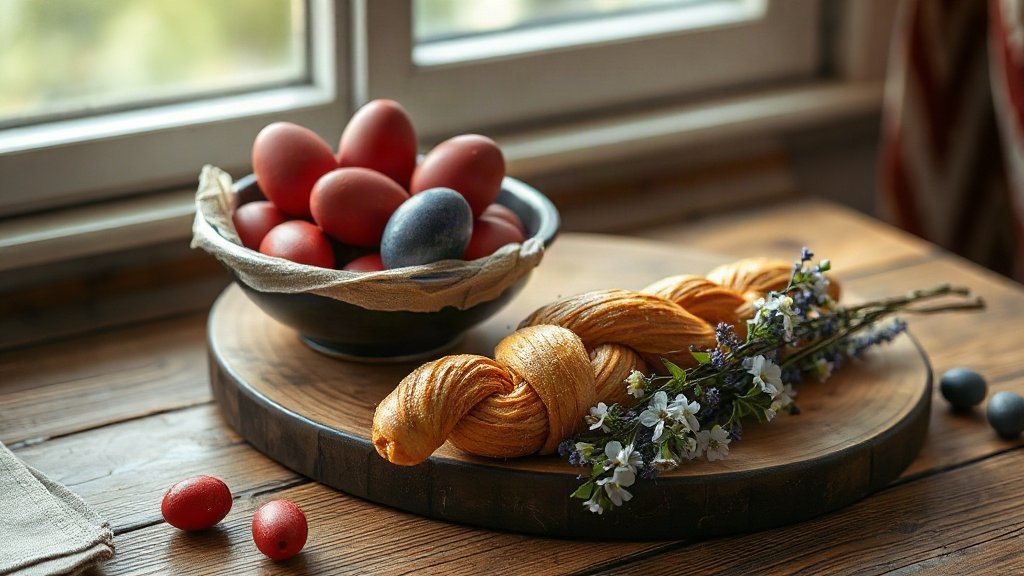
Illustration: AI-generated image
For Bulgarians, Easter (Velikden) is the most significant celebration of the year, rooted in Orthodox Christian tradition and woven into family life. If you are living in Bulgaria or visiting during the spring, understanding these customs will help you take part in the joy and meaning of the season.
The Week Before: Lazaruvane and Tsvetnitsa
Easter preparations begin a week earlier. On Lazarovden (St Lazarus Day), the Saturday before Palm Sunday, young girls called lazarki go from house to house singing ritual songs for health and prosperity. They are often dressed in traditional costumes and are welcomed with small gifts.
The next day is Tsvetnitsa (Palm Sunday), which Bulgarians celebrate by decorating their homes and churches with willow branches instead of palm leaves. Many people named after flowers or trees—like Tsvetelina, Violeta, Yavor or Rosen—celebrate their name day on this date.
Painting Eggs Red
The most iconic Easter symbol in Bulgaria is the red egg. The colour represents the blood of Christ and new life. Traditionally, the first egg is dyed on Maundy Thursday (Veliki Chetvartak) and is placed in front of the family icon at home to bring luck. On Easter morning, everyone taps their eggs against each other, and the person whose egg remains unbroken is said to have good fortune for the year.
While red is the traditional colour, many families use natural dyes or shop-bought kits to create colourful patterns. The eggs are always present on the Easter table, often arranged with kozunak and fresh spring flowers.
Kozunak: The Sweet Braided Bread
No Bulgarian Easter is complete without kozunak, a rich, sweet bread similar to brioche or challah. Made with eggs, butter, sugar and sometimes raisins or Turkish delight, it is braided and baked until golden. The dough is kneaded for a long time, often by hand, and the result is a soft, fluffy loaf with a shiny crust. Kozunak is eaten throughout Easter week, often for breakfast with milk or coffee.
If you want to try making it, many bakeries sell kozunak before Easter, but home baking is a cherished tradition. The sweet aroma filling the house is part of the holiday magic.
Midnight Church Service and the Easter Greeting
On Holy Saturday night, families gather at Orthodox churches for the midnight service. Just before midnight, the priest emerges with a lit candle, and the light is passed from person to person. When the clock strikes twelve, everyone greets each other with the words "Hristos Voskrese" (Christ is risen) and the response "Voistina Voskrese" (Truly he is risen).
People carry their candles home, protecting the flame, and often mark a cross with the soot above the door for blessing. The service is followed by a festive meal, breaking the long Lenten fast.
The Easter Feast
The Easter table features lamb, often roasted whole, fresh salads, and the mandatory red eggs and kozunak. Lamb symbolises the Lamb of God and is traditionally eaten after the midnight service or on Easter Sunday lunch. Leftover lamb bones are sometimes buried in the garden to ensure fertility.
Families gather to eat, drink and enjoy each other's company, often outdoors if the weather is warm. Easter Monday is a public holiday, so the celebration extends over a long weekend, giving everyone time to travel to their home towns and villages.
Tips for Joining In
If you are invited to a Bulgarian Easter celebration, bring a bottle of wine or a homemade kozunak as a gift. Greet people with "Hristos Voskrese" and respond "Voistina Voskrese" when someone greets you. Be ready to tap eggs—it is a friendly competition, not a serious one. And do not refuse a slice of kozunak; it is a gesture of welcome and sharing.