A Guide to Bulgarian Hospitality: How to Be a Good Guest and Host
Bulgarian hospitality is warm and generous, but knowing a few simple customs can help you feel at home and avoid social faux pas when visiting or hosting.

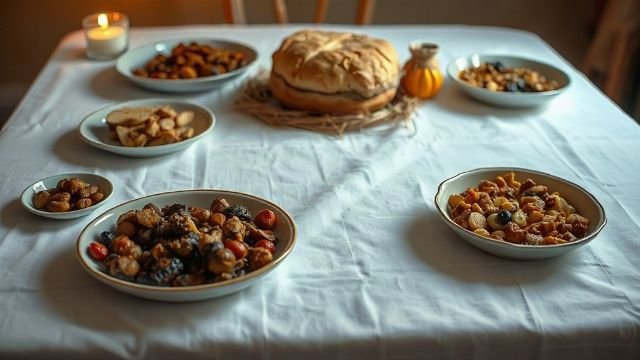
Illustration: AI-generated image
Hospitality is at the heart of Bulgarian culture. Rooted in centuries-old traditions and the Orthodox faith, welcoming guests with open arms is considered both a duty and a joy. Whether you are invited to a Bulgarian home or hosting Bulgarian friends, understanding a few key customs will help you build deeper connections and avoid awkward moments. Here is a practical guide to Bulgarian hospitality, from the moment you cross the threshold to the final farewell.
Greeting and Entering the Home
When invited to a Bulgarian home, arrive on time or slightly late—ten to fifteen minutes is usually acceptable. Greet everyone with a handshake and maintain friendly eye contact. It is customary to remove your shoes at the door; many hosts offer slippers for guests. In rural areas or on special occasions, you might be greeted with bread and salt, a traditional symbol of welcome and prosperity. Accept it graciously—take a small piece, dip it in salt and eat it.
Gift-Giving Customs
Never arrive empty-handed. A small gift for the hostess is always appreciated. Flowers are a classic choice, but remember: always give an odd number, as even numbers are reserved for funerals. Avoid chrysanthemums, which are associated with mourning. A bottle of wine, rakia, or a box of chocolates also works well. Gifts are usually opened immediately, so be prepared for a warm reaction. For children, small toys or sweets are perfect.
At the Table
Bulgarian meals are generous and often include multiple courses: a shopska salad, a main dish, and dessert. It is polite to try a bit of everything, as refusing food outright can be seen as rude. If you are full, say “Благодаря, не мога повече” (Thank you, I can’t eat more) with a smile. The host may insist, so be gracious but firm. Wait until the host says “Добър апетит” (Bon appétit) or invites you to begin eating.
Toasts and Drinks
Rakia is often served as an aperitif before the meal. Toasts are frequent and heartfelt; the most common is “Наздраве!” (Nazdrave! – cheers). When clinking glasses, look each person in the eye. It is traditional to drink in one go for certain toasts, but you can sip if you prefer. If you don’t drink alcohol, politely decline and ask for juice or water—no one will be offended.
Hosting Bulgarians in Your Home
If you are hosting, be ready to offer plenty of food and drink. Bulgarians may initially refuse out of politeness, so insist gently. Coffee and sweets are essential after a meal. Do not rush your guests; evenings can stretch late into the night with conversation and laughter. Remember, hospitality is about warmth and generosity of spirit—by embracing these customs, you will be welcomed into the heart of Bulgarian life.