A Guide to Bulgarian Christmas: Badni Vecher, Koledari and the Festive Table
From the meatless Christmas Eve dinner of odd-numbered dishes to the lively koledari carolers, Bulgaria’s Christmas is rich with traditions. Here’s what to expect and how to join in.
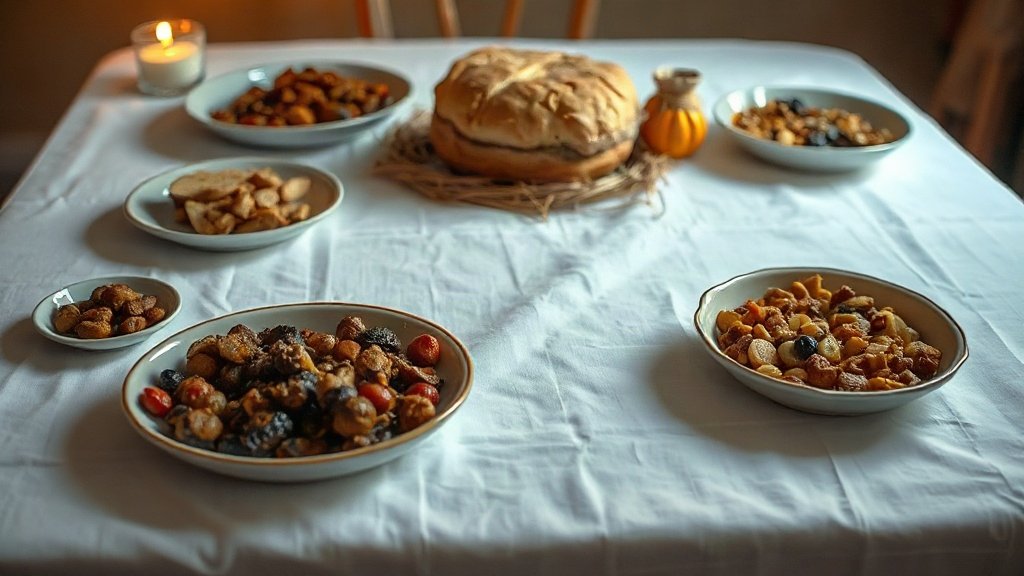
Illustration: AI-generated image
Christmas in Bulgaria is a deeply traditional time, blending Orthodox Christian customs with folk beliefs that have been passed down for generations. The celebrations centre on family, food, and the songs of carolers, known as koledari. If you are living in Bulgaria or spending the festive season here, understanding these customs will help you appreciate the season and take part with confidence.
Badni Vecher: The Christmas Eve Fast and Feast
Christmas Eve, called Badni Vecher (Бъдни вечер), is a fasting day in the Orthodox calendar, meaning no meat, dairy, or other animal products are eaten. Families gather in the evening for a special meatless dinner with an odd number of dishes—traditionally 7, 9, or 11. The odd number is believed to bring good luck and fertility in the coming year.
The table must include certain symbolic foods. Boiled wheat, beans, stuffed vine or cabbage leaves (sarmi), dried fruits, nuts, honey, and garlic are common. The centrepiece is a round bread called koledna pitka or bogovitsa, into which a coin is baked. The person who finds the coin in their piece is said to have health and prosperity throughout the next year. Straw is often placed under the tablecloth to recall the stable where Christ was born, and after dinner, the table is left uncleared overnight so that the spirits of ancestors can also partake.
Koledari: The Carol Singers of Christmas Morning
On Christmas morning, groups of koledari—usually young men and boys—go from house to house singing traditional songs. They carry decorated sticks called koledarka and wish the household health, luck, and a bountiful year. The songs often mention the birth of Christ and praise the family. In return, the koledari are offered treats such as bread, dried fruit, walnuts, or small gifts. The visit is seen as a blessing, so refusing to receive them is considered bad luck.
Joining the Celebrations
If you are invited to a Bulgarian home for Christmas Eve, it is a sign of friendship. Bring a small gift such as chocolates, wine, or a festive ornament. Dress warmly if you plan to attend church services, and be prepared for a long, relaxed evening of eating and conversation. When koledari knock on your door, it is customary to give them something—a small amount of money or a bag of nuts and sweets—to thank them for their songs and wishes.
Bulgarian Christmas is a beautiful blend of solemnity and joy, where ancient customs meet modern celebration. By learning a few of these traditions, you can enjoy the season as Bulgarians do and feel more at home in this welcoming country.