How to Rent an Apartment in Bulgaria: A Step-by-Step Guide for Newcomers
Renting a home in Bulgaria can feel different from other countries, from deposits to utilities and contracts. This guide walks you through the whole process so you know what to expect.
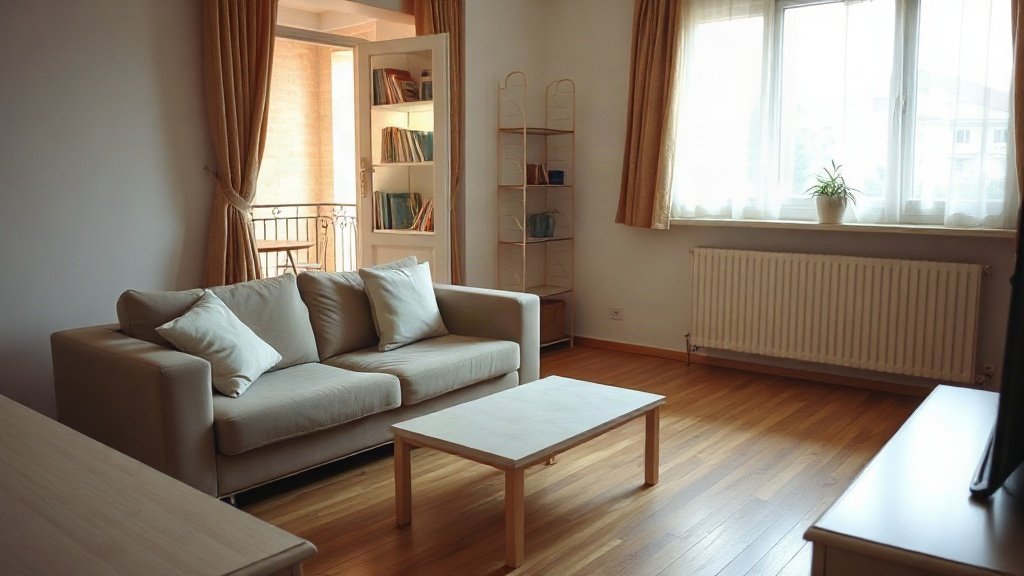
Illustration: AI-generated image
Moving to Bulgaria is an exciting adventure, but finding the right apartment can seem daunting at first. The rental market works a little differently here, and knowing the local practices will save you time, money and stress. Whether you are moving to Sofia, Plovdiv, Varna or a smaller town, this guide covers everything you need to know about renting a flat in Bulgaria.
Finding an apartment
Most people start their search online through the major property portals, which list thousands of rentals across the country. You can filter by city, neighbourhood, size and price. It is also common to find rentals through local Facebook groups, real estate agencies or simply by walking around a neighbourhood you like and looking for 'for rent' signs in windows.
When you view a flat, check the condition of the heating, plumbing and electrical systems. Ask which utilities are included in the rent and which you will need to set up yourself. Bulgarians often rent out fully furnished apartments, so you will likely find everything from furniture to kitchen appliances already there, but always confirm what stays.
The rental contract
Once you choose a place, you will sign a rental contract. The standard contract is in Bulgarian, but you can ask for a translation or a bilingual version. Make sure you understand every clause, especially those about the notice period, rent increases and who is responsible for repairs. The contract should state the monthly rent, the deposit amount and the duration of the tenancy. Most contracts are for one year, but shorter arrangements are possible.
It is common for landlords to ask for a deposit equal to one or two months' rent. This deposit is normally returned at the end of the tenancy if the flat is left in good condition, but disputes do happen, so document the condition of the property with photos when you move in.
Utilities and extra costs
Rent often does not include utilities such as electricity, water, heating and internet. You will need to set these up in your name or pay the landlord directly. Electricity and water bills are usually monthly, while heating can be a larger expense in winter if the building has central heating. Ask about average utility costs before you commit, so you can budget realistically.
Many apartment buildings also charge a monthly maintenance fee for the upkeep of common areas. This is normally paid by the landlord, but check the contract to be sure.
Ending the tenancy
When you want to move out, you must give notice according to the contract. The notice period is often one month, but it can be longer. You should hand back the keys, clear all outstanding bills and arrange a final inspection with the landlord. If everything is in order, your deposit should be returned within a reasonable time.
Renting in Bulgaria is straightforward once you understand the local customs. With a little patience and the right preparation, you will soon settle into a comfortable home and start enjoying everything this beautiful country has to offer.