How to Make Bulgarian Mekitsi: A Fluffy Fried Dough Breakfast
Mekitsi are a beloved Bulgarian breakfast treat – light, fluffy fried dough often served with jam, honey or white cheese. Here's how to make them at home.
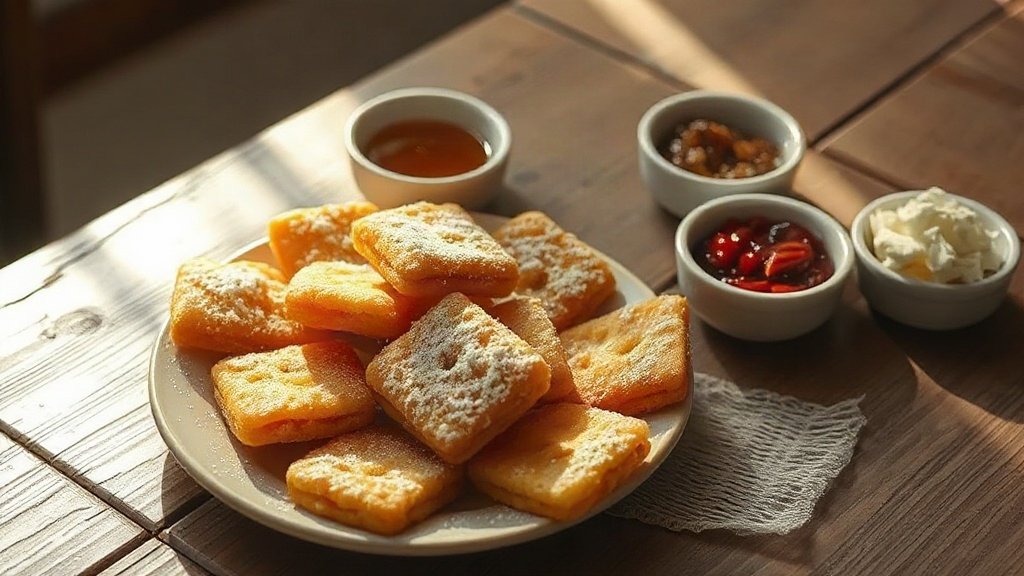
Illustration: AI-generated image
Few things say ‘good morning’ in Bulgaria quite like a plate of warm mekitsi. These pillowy fried dough rounds are a staple of weekend breakfasts, village fairs and nostalgic childhood memories. If you’ve ever strolled past a street stall and caught that irresistible aroma of bubbling dough and sugar, you’ll know why they’re so loved. The good news? They’re surprisingly easy to make at home with just a handful of basic ingredients.
What Are Mekitsi?
Mekitsi (pronounced meh-kee-tsee) are a traditional Bulgarian fried bread. The name comes from the word ‘mek’, meaning soft – and that’s exactly what they are: crisp on the outside, tender and airy inside. They are usually round or oval, about the size of a small saucer, and quickly fried in hot oil until golden. Unlike doughnuts, they are not sweetened themselves; instead, they are served with sweet or savoury toppings, making them incredibly versatile.
Ingredients You’ll Need
For roughly 12–14 mekitsi, you will need:
- 500 g plain flour (plus extra for dusting)
- 1 teaspoon salt
- 1 teaspoon sugar
- 1 teaspoon dry yeast (or 20 g fresh yeast)
- 250 ml warm water (or milk for a richer dough)
- 1 egg (optional, for extra tenderness)
- 2 tablespoons plain yogurt (optional, adds a subtle tang)
- Sunflower or vegetable oil for frying
Many families have their own tweaks – some add a splash of rakia to the dough, others use only water and yeast. The version below is a simple, reliable base.
Step-by-Step Method
- Activate the yeast. In a small bowl, dissolve the sugar in the warm water (or milk) and sprinkle over the yeast. Leave for 10 minutes until frothy.
- Make the dough. In a large mixing bowl, combine the flour and salt. Make a well in the centre and add the yeast mixture, egg and yogurt if using. Mix with a wooden spoon until a sticky dough forms.
- Knead. Turn the dough onto a lightly floured surface and knead for 8–10 minutes until smooth and elastic. If it feels too sticky, add a little more flour; if too dry, add a splash of water.
- First rise. Place the dough in a lightly oiled bowl, cover with a clean tea towel and leave in a warm place for about 1 hour, or until doubled in size.
- Shape the mekitsi. Punch down the dough and divide it into golf-ball-sized pieces. On a floured surface, flatten each ball into a disc about 1 cm thick. You can use your hands or a rolling pin. Some people make a small hole in the centre to help them cook evenly.
- Second rise. Place the shaped mekitsi on a floured tray, cover and leave for 20–30 minutes until puffy.
- Fry. Heat about 2 cm of oil in a deep frying pan over medium heat. To test if the oil is ready, drop in a tiny piece of dough – it should sizzle and rise to the surface. Fry the mekitsi in batches, 2–3 at a time, for about 2 minutes per side until golden brown and cooked through. Drain on kitchen paper.
How to Serve Them
The classic way is simply dusted with icing sugar or granulated sugar while still warm. But mekitsi are also wonderful with:
- Honey or fruit jam (strawberry, raspberry or rose hip are favourites)
- Bulgarian white cheese (sirene) crumbled on top
- A dollop of thick yogurt
- Chocolate spread or Nutella for a kid-friendly treat
They are best eaten fresh, but if you have leftovers, reheat them in a dry pan or toaster – they lose their crispness in the microwave.
Tips for Perfect Mekitsi
- Don’t rush the rising times. A well-risen dough gives that light, airy texture.
- Keep the oil temperature steady. Too hot and they burn outside while staying raw inside; too cool and they absorb too much oil.
- Experiment with milk instead of water for a softer, richer crumb.
- If you’re short on time, you can prepare the dough the night before and let it rise slowly in the fridge. Bring to room temperature before shaping.
Making mekitsi is a lovely way to bring a taste of Bulgaria into your kitchen, no matter where you are. Whether you enjoy them with a cup of strong coffee or a glass of ayran, they’re sure to become a weekend favourite for the whole family.