The Bulgarian Brass Band: The Heartbeat of Every Celebration
From weddings to village fairs, the brass band is the soundtrack of Bulgarian joy. Discover the instruments, the music, and how to join in the fun.
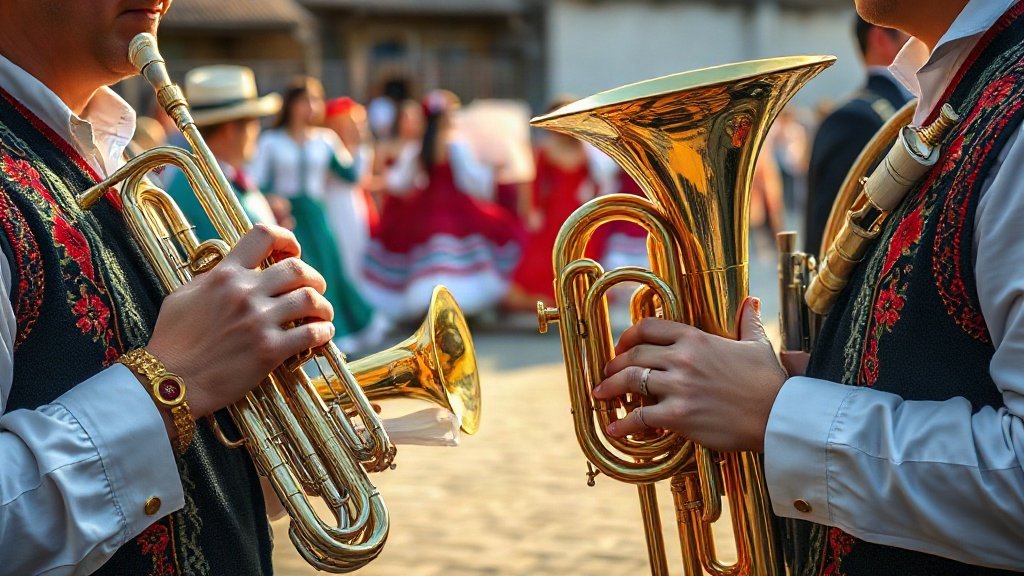
Illustration: AI-generated image
When a Bulgarian celebration kicks off, the first sound you'll likely hear is the triumphant blast of a brass band. Known locally as duhova muzika, these ensembles are the undisputed kings of weddings, village fairs, and national holidays. Their vibrant melodies and infectious rhythms pull entire communities onto the dance floor, turning any gathering into an unforgettable party.
A Living Tradition with Deep Roots
The brass band tradition in Bulgaria traces back to the Ottoman period, when military bands introduced Western brass instruments to the region. Over time, Bulgarians embraced these instruments and adapted them to their own folk music, creating a unique blend that is both powerful and deeply emotional. By the early 20th century, brass bands had become a fixture at every major celebration, and their popularity has only grown since.
The Instruments of Celebration
A typical Bulgarian brass band features trumpets, baritone horns, tubas, trombones, and a variety of drums. Saxophones and clarinets are also common, adding a melodic richness to the ensemble. The tuba provides a deep, driving bassline, while the trumpets carry the soaring melodies. Together, they create a wall of sound that can be heard from quite a distance, drawing people in from all around.
The Music: Energetic and Unmistakable
The repertoire of a Bulgarian brass band is centred on traditional folk dances like the horo and the rachenitsa, both of which feature complex asymmetrical rhythms. The musicians play with incredible precision, keeping the beat steady even as the tempo accelerates. Over the years, bands have also incorporated popular songs and modern hits, but the heart of their music remains rooted in Bulgarian folklore.
Where to Experience It
You don't need a special invitation to enjoy a brass band performance. They are a common sight at village festivals (sabori), town celebrations, and even in city parks during public holidays. If you hear the distant sound of trumpets and drums, follow it; you're likely to stumble upon a lively gathering of dancers and musicians. During wedding season, you might also catch a kum leading a procession with the band playing at full volume.
Tips for Joining In
If you find yourself at an event with a brass band, don't be shy. Bulgarians are famously welcoming and will happily teach you the steps to the horo. Start by observing the line dance, then join at the end and follow the person in front of you. The rhythm might feel unusual at first, but once you get the hang of it, you'll be spinning and stomping with the best of them. Remember to wear comfortable shoes and be ready for a workout—the horo can go on for hours.
The Bulgarian brass band is more than just music; it's a living thread that connects generations and communities. So next time you hear that unmistakable sound, let yourself be carried away by the joy of the moment.