Chiprovtsi Kilims: Bulgaria's Woven Heritage of Colour and Symbol
Discover the centuries-old tradition of carpet weaving in Chiprovtsi, a small town in northwestern Bulgaria, recognised by UNESCO for its intricate patterns and deep cultural significance.
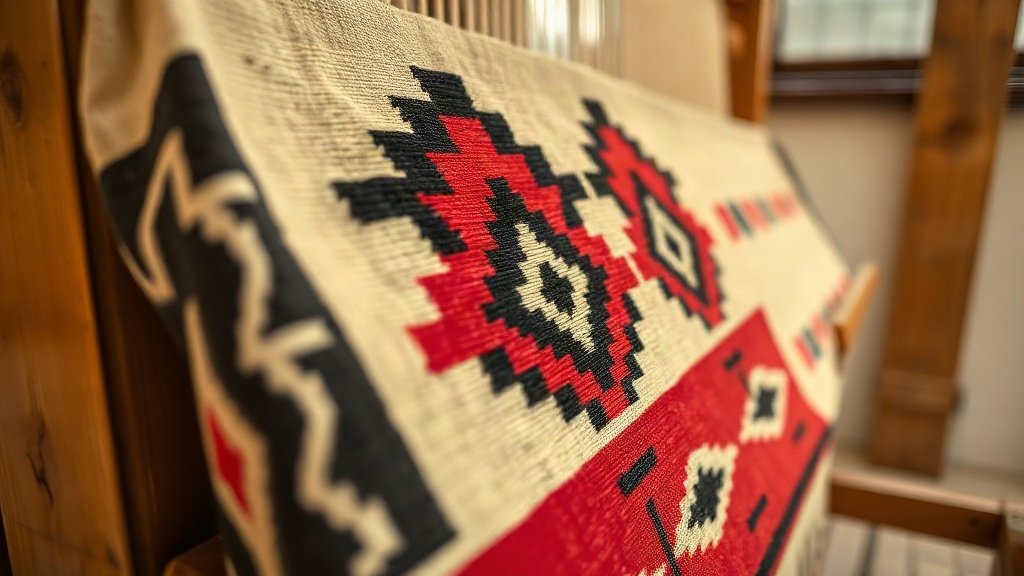
Illustration: AI-generated image
The town of Chiprovtsi, tucked into the western folds of the Balkan Mountains, has been synonymous with fine carpet weaving for over three centuries. Its kilims—flat-woven, double-sided textiles with bold geometric designs—are more than floor coverings; they are a language of colour and symbol passed down through generations. In 2014, the tradition was inscribed on UNESCO's Representative List of the Intangible Cultural Heritage of Humanity, cementing its place as a cornerstone of Bulgarian folk art.
A Craft Shaped by History
Chiprovtsi's weaving heritage dates back to the 17th century, when the town flourished as a mining and craft centre. Local women, working on vertical looms, developed a distinctive style characterised by deep reds, blacks, blues, and yellows derived from natural dyes. The kilims were prized across the Ottoman Empire and beyond, yet the craft nearly vanished after the Chiprovtsi Uprising of 1688, when the town was destroyed and many weavers fled. Those who survived carried their skills to other regions, but the tradition endured in Chiprovtsi itself, where it remains a living practice today.
Patterns That Speak
Every Chiprovtsi kilim tells a story through its motifs. Common symbols include the elbetitsa (a stylised flower), the karakachka (a hooked diamond representing a ram's horn), and the makaz (a scissor-like figure). Geometric shapes—squares, triangles, and zigzags—are arranged in repeating bands or central medallions. Each colour carries meaning: red for life and protection, black for the earth, white for purity. The designs are not merely decorative; they were believed to shield the home from evil and bring good fortune.
How a Kilim Is Made
Unlike pile carpets, Chiprovtsi kilims are woven using a slit-tapestry technique that produces a reversible, lightweight textile. The weaver works on a wooden loom, interlacing coloured wool wefts over cotton or wool warps. Because the pattern is created entirely by hand, no two kilims are identical. A single piece can take weeks or months to complete, depending on size and complexity. The wool, traditionally spun and dyed locally, gives the kilims their characteristic softness and depth of colour.
Where to Experience the Tradition
Chiprovtsi remains the heart of the craft. The town's Historical Museum houses a remarkable collection of antique kilims, some dating back over 200 years, and offers demonstrations of weaving techniques. Several family workshops welcome visitors to observe the process and purchase new pieces directly from the makers. The annual Chiprovtsi Kilim Festival, usually held in late summer, brings together weavers, musicians, and folk dancers for a vibrant celebration of local heritage.
Bringing a Kilim Home
For travellers, a Chiprovtsi kilim is both a practical souvenir and a piece of living history. Smaller items, such as cushion covers, table runners, or wall hangings, are easier to pack and still carry the signature patterns. When buying, look for tight, even weaving and colours that remain vivid on both sides—true Chiprovtsi kilims are reversible. Supporting local weavers helps ensure that this centuries-old art continues to thrive for generations to come.