Joining the Horo: A Beginner's Guide to Bulgaria's Circle Dance
A practical guide to Bulgaria's most cherished social dance, from its cultural significance to the basic steps and etiquette for first-timers.
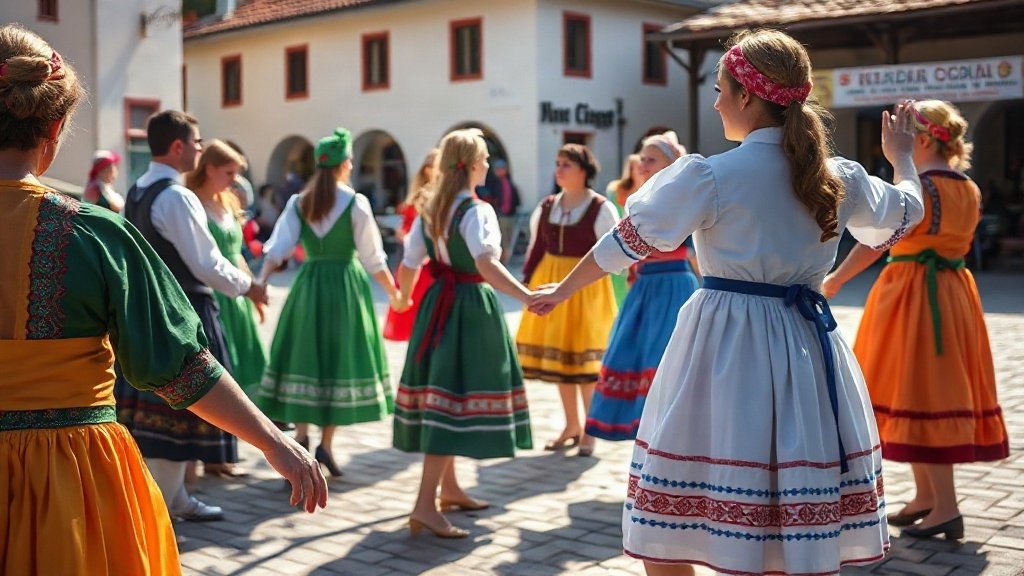
Illustration: AI-generated image
If you've spent any time in Bulgaria, you've likely seen it: a line of people holding hands, swaying and stepping in unison to lively music. This is the horo, the country's most beloved folk dance, and it's not just a performance—it's an invitation.
What is the horo?
The horo is a traditional circle dance found across Bulgaria and the wider Balkans. It is danced at weddings, festivals, village gatherings, and even spontaneously in city squares on holidays. The word "horo" comes from the Greek "choros," meaning dance, and its roots stretch back centuries.
Why it matters
For Bulgarians, the horo is more than movement. It's a symbol of community and continuity. When people join hands in a circle, they create a bond that transcends age, status, and background. The dance is often accompanied by live music from instruments like the gaida (bagpipe), kaval (flute), and tapan (drum), and its rhythms can be surprisingly complex, with uneven meters like 7/8 or 9/8.
How to join in
One of the best things about the horo is that anyone can join. There is no need for a partner or special skills. The basic step is simple: step to the side, cross behind, step again—though each regional horo has its own variations. The key is to follow the person in front of you and let the music guide your feet.
If you're a beginner, stand at the end of the line. The lead dancer sets the pace and may improvise flourishes, so it's best to leave that spot to those with experience. Hold hands or link arms with your neighbours; some dances use a belt hold or shoulder hold. The grip should be firm but relaxed, allowing everyone to move together.
Common horo styles
Bulgaria has countless horo variations, each with its own name, rhythm, and region. The pravo horo is one of the most common, danced in a simple 2/4 or 6/8 time. The Dunavsko horo is another favourite, typically in 2/4 with a graceful, flowing step. For those who master the basics, more challenging dances like the paidushko horo in 5/8 offer a delightful challenge.
Etiquette and tips
- Dress comfortably. You'll be on your feet, so wear shoes that won't slip and allow for quick steps.
- Don't break the chain. Once the horo starts, try not to let go or walk through the circle.
- Respect the lead dancer. If you're at the front, you set the rhythm; if not, follow closely.
- Ask before recording. While many dancers don't mind, it's polite to ask, especially in intimate settings.
- Have fun. The horo is about joy and connection, not perfection.
Whether you're at a village sabor, a wedding, or a national holiday celebration, don't be shy. When the music starts and hands reach out, take one. You'll be dancing the horo before you know it.