Bulgaria's Puppet Theatre: A Living Art of Strings, Shadows, and Story
Discover the rich tradition of Bulgarian puppet theatre, from its folk roots to contemporary performances that delight audiences of all ages.
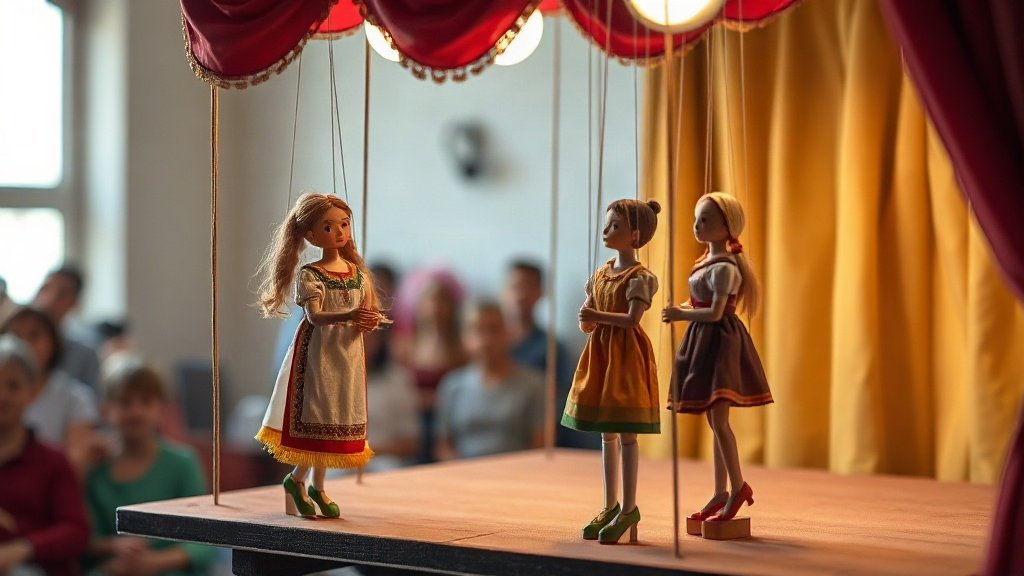
Illustration: AI-generated image
Bulgarian puppet theatre is a beloved art form that has enchanted audiences for over a century. Combining traditional craftsmanship with storytelling, it remains a vital part of the country's cultural landscape, appealing to both children and adults. Whether you are a visitor or a local, experiencing a puppet performance offers a unique window into Bulgarian creativity and heritage.
A Tradition Rooted in Folklore
The origins of Bulgarian puppet theatre can be traced to the early 20th century, when travelling puppeteers entertained villagers with simple shows. Over time, it evolved into a professional art, with dedicated theatres established in major cities. The repertoire often draws from Bulgarian folk tales, featuring heroes like Krali Marko, cunning foxes, and magical creatures such as samodivi. These stories carry moral lessons and celebrate the resilience of the human spirit, making them timeless.
Styles and Techniques
Bulgarian puppeteers employ a variety of techniques, each with its own charm. Marionettes, controlled by strings, allow for graceful, dance-like movements. Rod puppets, operated from below, are ideal for expressive gestures and fast-paced action. Shadow theatre, using backlit silhouettes, creates a dreamlike atmosphere and is particularly popular for retelling myths and legends. Many performances integrate live music, with traditional instruments like the gaida or kaval adding an authentic folk flavour.
A Family-Friendly Cultural Experience
Puppet theatre in Bulgaria is not just for children; it is a sophisticated art form that often incorporates satire, poetry, and visual experimentation. Performances are held in dedicated puppet theatres found in Sofia, Plovdiv, Varna, and other cities, as well as at festivals and community events. Attending a show is a delightful way to spend an afternoon or evening, and many theatres offer performances in Bulgarian, making it an immersive language experience for learners. The handcrafted puppets themselves are works of art, often displayed in museum collections.
Keeping the Craft Alive
Today, Bulgarian puppet theatre continues to innovate, with contemporary directors blending traditional techniques with modern themes and multimedia. State-supported theatres and independent troupes ensure that this art form remains accessible and vibrant. For anyone interested in Bulgarian culture, a puppet performance is a memorable and enriching experience that connects the past with the present.