The Art of Bulgarian Icon Painting: A Living Sacred Tradition
Discover the centuries-old craft of Bulgarian icon painting, from medieval frescoes to living masters, and the spiritual symbolism behind the colours and gold.
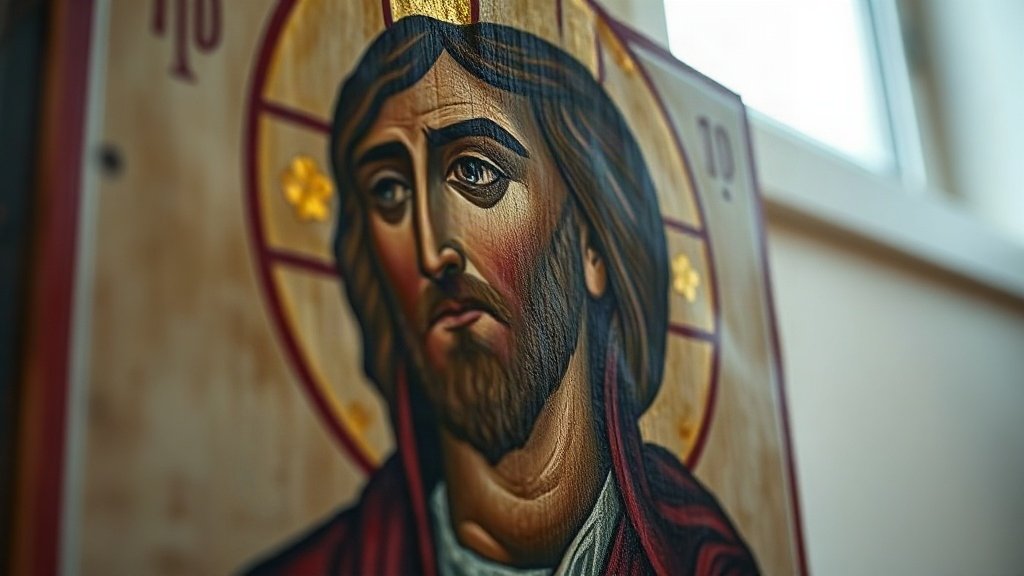
Illustration: AI-generated image
Icon painting is among Bulgaria's most profound artistic traditions, blending Orthodox Christian theology with centuries of local craftsmanship. From medieval frescoes in remote monasteries to the still-active workshops of Tryavna and Samokov, the Bulgarian icon remains a living link between faith, art and identity.
A Sacred Art Rooted in Orthodoxy
In the Eastern Orthodox Church, icons are not mere paintings but windows to the divine, created according to strict canons. Bulgarian icon painters follow these rules: figures are elongated, backgrounds are often gold, colours carry symbolic meaning, and perspective is reversed to draw the viewer into the sacred space. The craft was introduced with Christianity in the 9th century and flourished under the patronage of Bulgarian tsars and church leaders.
The Golden Age of Bulgarian Icons
The 13th and 14th centuries, known as the Second Bulgarian Empire, saw a remarkable flowering of icon painting. Frescoes at the Boyana Church near Sofia and the Rock-hewn Churches of Ivanovo display sophisticated techniques and emotional depth. Later, under Ottoman rule, monasteries became the guardians of this tradition, producing portable icons for worship in homes and chapels. The Tryavna and Samokov schools emerged in the 18th and 19th centuries, each with distinct characteristics.
Techniques and Symbolism
Traditional Bulgarian icons are painted with egg tempera on wood panels, often prepared with layers of gesso. Gold leaf is applied for halos and backgrounds, symbolising divine light. Colours follow a symbolic code: blue for heaven, red for martyrdom, green for life, and white for purity. The faces are painted last, with great care, for it is believed the icon becomes a true image only when the face appears. Many icons are blessed in church before they are considered complete.
Regional Schools: Tryavna and Samokov
In the mountain town of Tryavna, a school of icon painting developed in the 18th century, known for its warm colour palette, detailed facial expressions, and intricate woodcarved frames. The Samokov school, which emerged in the 19th century, leaned towards brighter colours and more naturalistic proportions, influenced by Western European art. Both schools trained generations of painters who travelled across the Balkans, leaving a rich legacy in churches and museum collections.
Icons in Modern Bulgaria
Today, icon painting remains a respected art form. Workshops across Bulgaria continue to produce icons for new churches, private devotion, and collectors. Courses and apprenticeships introduce young artists to the ancient methods, while contemporary painters sometimes reinterpret traditional motifs. Whether in a monastery museum or a family's prayer corner, the Bulgarian icon endures as a testament to a heritage that bridges heaven and earth.