Danish author Jakob Jonia brings his crime series to CineLibri
The writer and translator discussed his historical crime series and the real detective unit behind it during the Sofia film and literature festival.

Illustration: AI-generated image
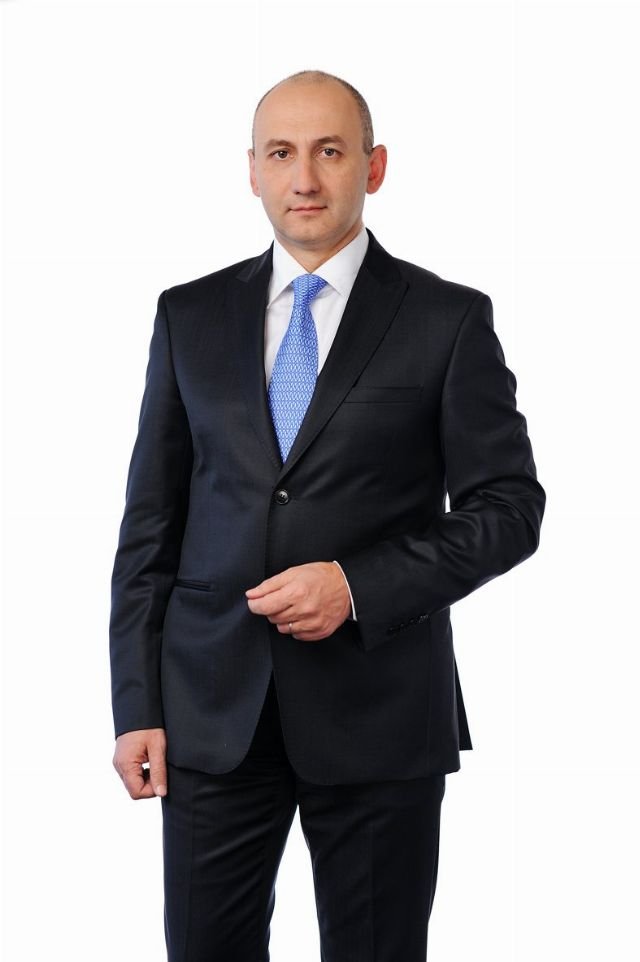
Danish author and translator Jakob Jonia was in Sofia this week as a guest of the CineLibri festival, where he joined the international jury and discussed the film adaptation of his novel The Farthest Border.
The book, which appeared on the Bulgarian market several months ago, is the first in a series about Denmark's National Investigation Department, the country's early mobile detective unit. Set in the port town of Esbjerg in 1927, it opens with a string of arson attacks, including a fire at the mayor's villa, and a body found in the ruins.
Jonia explained that the title has two meanings. Esbjerg sits on Denmark's west coast, historically seen as the last stop before England, and after the United Kingdom left the European Union the town's position as a final border gained new resonance. Locals even had a bar playing on the idea of a last chance for a beer before crossing to England.
The series draws on a real historical figure, Otto Himmerstrup, who in 1927 set up the special police unit that became a Danish institution and operated until 2004. Jonia said he discovered Himmerstrup's story and realised many of his ideas about power, jealousy, revenge and the lingering effects of the First World War could fit that era.
Jonia is also an established literary translator with more than 60 works to his name, mainly from German but also from Swedish and Norwegian. Among the authors he has translated are Hans Fallada, Siegfried Lenz, Jenny Erpenbeck, Mircea Cărtărescu, Erich Kästner and Ingo Schulze. Three novels in the series have been published so far, with a fourth due soon in Denmark, and the author is working on another.