The Kaval: Bulgaria's End-Blown Flute and Its Folk Legacy
The kaval is a traditional end-blown flute that has shaped the sound of Bulgarian folk music for centuries. Learn about its history, craftsmanship, and enduring role in the country's musical identity.
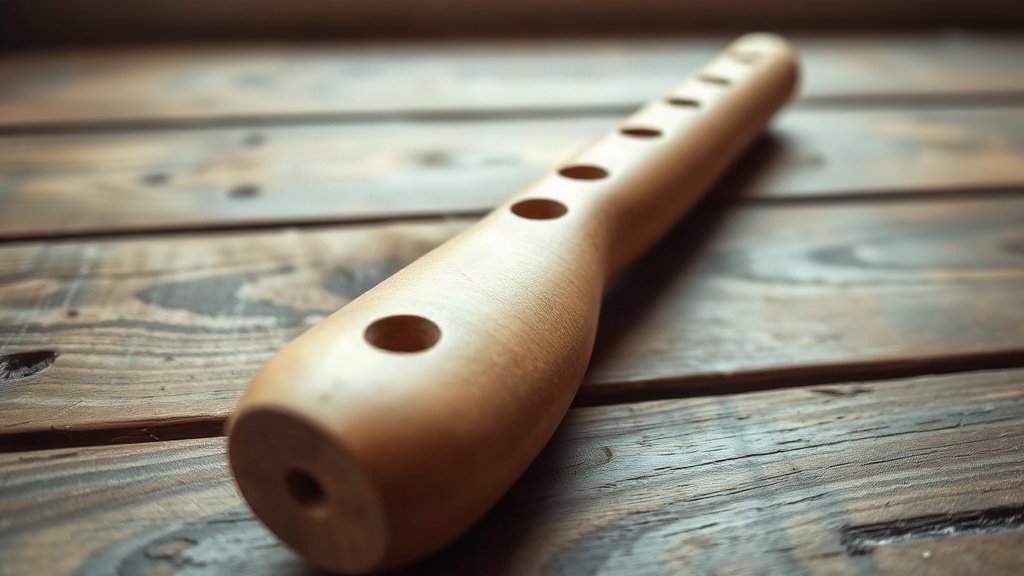
Illustration: AI-generated image
The kaval is one of the most distinctive sounds in Bulgarian folk music. This end-blown flute, usually made of wood, has a breathy, warm tone that evokes the open pastures and mountain landscapes where it was traditionally played by shepherds. Today it remains a central instrument in folk ensembles and is celebrated for its expressive, vocal-like quality.
A Shepherd's Companion
For centuries, the kaval accompanied shepherds as they tended their flocks. Its soft, carrying sound could be heard across valleys and hillsides, often used to calm animals or pass the time during long days outdoors. The instrument's simple design made it easy to carry and play while walking. In many Bulgarian villages, the kaval was not just an instrument but a companion, and its melodies were woven into daily life, from work songs to festive dances.
The kaval is also linked to rituals and celebrations. It often leads the melody in horo dances and is a key voice in wedding bands and village gatherings. Its versatility allows it to perform slow, lyrical songs as well as fast, intricate dance tunes.
Crafting the Kaval
Traditional kavals are handcrafted from wood, commonly plum, cornel, apricot, or boxwood. The instrument consists of three separate pieces that fit together, allowing the player to adjust tuning. It typically has eight finger holes—seven on the front and one thumb hole on the back—plus several additional holes near the bottom that affect resonance and tuning. The mouthpiece is simply the bevelled end of the tube, and the player produces sound by blowing across it at an angle, similar to a side-blown flute but with the end held against the lips.
Modern kavals may be made from metal or plastic for durability, but wooden ones remain prized for their tone. Some craftsmen decorate the instrument with intricate carvings or inlays, making each kaval a unique work of art as well as a musical tool.
Learning to Play
Playing the kaval requires precise breath control and finger placement. Beginners often start by learning to produce a clear tone before moving on to simple melodies. The instrument is capable of great dynamics and subtle nuances, from whisper-quiet phrases to bright, ringing notes. Many Bulgarian musicians learn by ear, passing down tunes through generations, though formal instruction is also available through music schools and community cultural centres.
The kaval's role in Bulgarian music is not just historical; it continues to inspire new compositions and collaborations. Whether played solo or as part of an ensemble, its voice remains a symbol of Bulgaria's rich folk heritage, connecting past and present through the timeless language of melody.