Koprivshtitsa: A Guide to Bulgaria's Colourful Revival Town
Cobbled lanes, brightly painted 19th-century houses and a pivotal place in Bulgarian history make Koprivshtitsa a rewarding day trip from Sofia or Plovdiv.

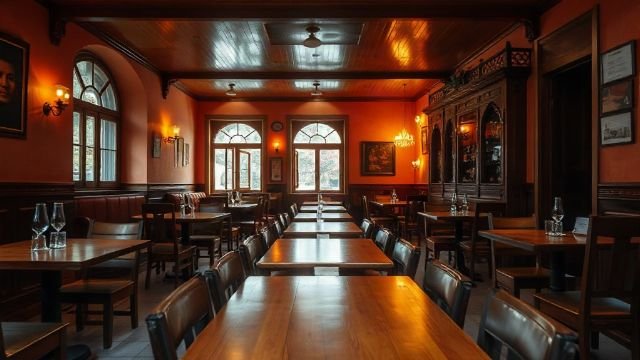
Illustration: AI-generated image
Tucked into the forested folds of the Sredna Gora mountains, Koprivshtitsa feels like a town preserved in amber. Its cobblestone lanes wind past brightly painted houses with overhanging upper floors, wooden balconies and heavy eaves that seem to lean in for a chat. This is the Bulgaria of the National Revival era — a 19th-century architectural treasure chest and a place where history still echoes from every stone.
The town is small enough to explore on foot in a day, but rich enough to reward a slower pace. Most visitors come from Sofia or Plovdiv, making it a popular excursion, yet an overnight stay lets you experience the quiet magic of the streets after the day-trippers leave.
Getting There
Koprivshtitsa lies about 110 km east of Sofia and roughly 90 km north of Plovdiv. By car, the drive from Sofia takes around two hours via the Trakia motorway and the Pirdop exit, then a short climb into the hills. From Plovdiv, the route passes through Karlovo and takes a similar time. Parking is available at the edge of the old town; the centre is pedestrianised.
There is also a railway station, with regular trains from Sofia taking about two and a half hours. The station is a short walk from the main square, and the gentle approach on foot is a pleasant introduction to the town.
What to See
Koprivshtitsa is known for its extraordinary collection of Revival-era houses, many of which are now museums. The most striking feature is their colour — deep blues, ochres, reds and greens — paired with intricate woodwork and painted facades. A few highlights include:
- Oslekov House: Built in the 1850s, it showcases the lavish lifestyle of a wealthy merchant family, with elaborate ceiling carvings and period furnishings.
- Todor Kableshkov House: The home of a key figure in the April Uprising of 1876, it holds the original letter that announced the start of the rebellion.
- Lyuben Karavelov House: Dedicated to the writer and revolutionary, it displays personal belongings and editions of his work.
- Dimcho Debelyanov House: The birthplace of one of Bulgaria's most beloved poets, with a small exhibition on his life.
Beyond the houses, the Church of the Dormition of the Theotokos stands in the main square, its modest stone exterior hiding richly painted interiors. The old school building, with its clock tower, is another landmark worth a look.
A Walking Loop
Start at the main square and head up the hill towards the Kableshkov House, then continue along the lane past the Oslekov House. From there, the road curves back towards the river, crossing a stone bridge where the first shot of the uprising was reportedly fired. Loop back past the Karavelov House and the church, finishing at the Debelyanov House. The entire route is under two kilometres and can be done in an hour at a leisurely pace, though allow extra time for museum visits.
Practical Tips
The best seasons to visit are late spring, early summer and autumn, when the weather is mild and the surrounding hills are green or golden. Summer afternoons can be hot, so bring water and a hat. Winters are cold, and snow is not uncommon, but the town has a cosy, storybook charm under a dusting of white.
Wear comfortable shoes — the cobblestones are uneven. Many museums have small entry fees, but they often share a combined ticket. Combine a visit with nearby Panagyurishte or the Thracian temple at Starosel for a fuller day in the region.