A Practical Guide to Agricultural Business Opportunities in Bulgaria
Bulgaria's fertile land and EU membership make it an attractive place to start or invest in a farming business. Here's what you need to know about crops, land, subsidies and getting started.
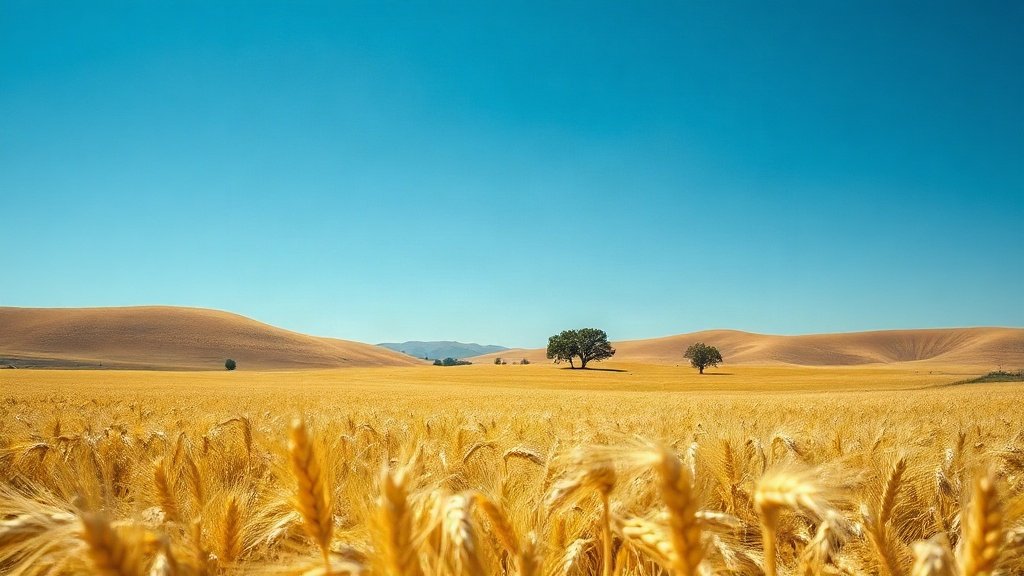
Illustration: AI-generated image
Bulgaria has long been known as the breadbasket of the Balkans. With around 4.6 million hectares of agricultural land, a temperate climate and membership in the European Union, the country offers a stable and fertile environment for farming businesses. Whether you're an experienced farmer looking to expand or a newcomer exploring agribusiness, understanding the local landscape is essential.
Why Bulgaria?
The country's agricultural sector is diverse and well-suited to a range of crops and livestock. Fertile soils, especially in the Danubian Plain and the Thracian Valley, support grain, oilseed and vegetable production. Summers are warm and sunny, while winters are generally mild, allowing for extended growing seasons in many regions.
As an EU member state, Bulgaria follows the Common Agricultural Policy (CAP), which provides direct payments and rural development funding to farmers. This framework offers financial incentives that can significantly reduce the initial burden of starting or expanding a farm.
Key Crops and Products
Bulgaria's agricultural output is varied, but several products stand out for both domestic consumption and export potential:
- Grains: Wheat, barley and maize are widely cultivated, with Bulgaria being a net exporter of wheat.
- Oilseeds: Sunflower and rapeseed are major crops, used for oil production and animal feed.
- Vegetables: Tomatoes, peppers, cucumbers and potatoes are traditional crops, with greenhouse production expanding.
- Fruits and vines: Apples, cherries, plums and grapes are significant, supporting a growing wine industry.
- Specialty crops: Bulgaria is famous for rose oil, lavender and herbs, which offer high-value niche opportunities.
Livestock farming, including dairy, beef, pork and poultry, also plays a role, though it has declined in recent decades and now offers room for modernisation.
Land Acquisition and Legal Framework
Agricultural land in Bulgaria is privately owned and can be bought and sold. EU citizens and legal entities registered in the EU can acquire land freely. Non-EU citizens face restrictions: they cannot own agricultural land directly but may lease it for long periods (often up to 30 years) or purchase it through a Bulgarian-registered company.
Land is often fragmented into small plots, so consolidating a viable farm may require leasing or purchasing multiple parcels. It is advisable to work with a local lawyer and a land agent familiar with the registration process.
Subsidies and Support
The EU's CAP provides two main streams of support:
- Direct payments: Based on eligible hectares, these provide a basic income support for farmers.
- Rural Development Programme (RDP): Offers grants for investments in machinery, buildings, organic farming, young farmers and agri-environment measures.
Bulgaria's Ministry of Agriculture and the State Fund Agriculture administer these schemes. Application windows are announced annually and often have specific requirements regarding land use and business plans.
Getting Started: Steps to Launch
If you're considering starting a farm in Bulgaria, here is a practical roadmap:
- Research and choose a region: Consider soil quality, climate, water availability and infrastructure.
- Secure land: Decide whether to buy or lease, and ensure clear title and no encumbrances.
- Register your business: Most farms operate as sole traders, partnerships or limited companies (OOD, EOOD). Registration is straightforward and can be done within days.
- Obtain necessary permits: Depending on your activity, you may need permits for water use, building agricultural structures, or handling chemicals.
- Apply for subsidies: Familiarise yourself with the CAP deadlines and prepare a solid business plan.
- Invest in equipment and inputs: Source machinery, seeds, livestock and other essentials.
- Build local networks: Join agricultural associations, attend fairs and connect with extension services for ongoing support.
Bulgaria's agricultural sector offers real opportunities for those willing to navigate its particularities. With careful planning and utilisation of EU funds, a farming venture here can be both rewarding and sustainable.