A Guide to Bulgarian Orthodox Weddings: What to Expect as a Guest
If you're invited to a Bulgarian wedding, you're in for a rich cultural experience. Here's what to expect from the Orthodox ceremony, the traditions, and how to be a respectful guest.
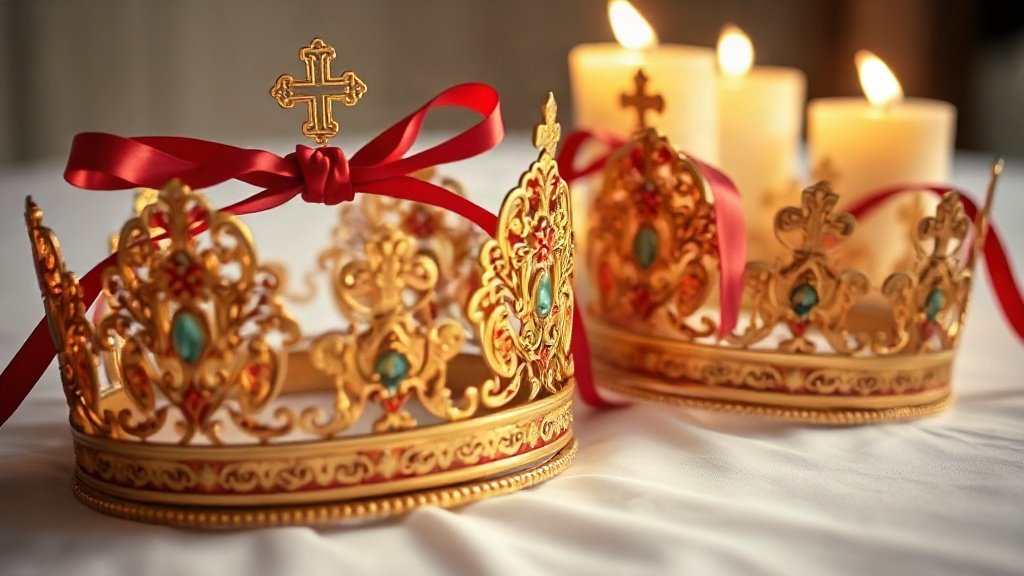
Illustration: AI-generated image
Bulgarian weddings are joyful, vibrant affairs that blend Orthodox Christian ritual with folk customs. If you've been invited to one, consider it a sign of friendship and trust. While every wedding is unique, most follow a similar structure that reflects centuries of tradition. Here's what you can expect and how to participate respectfully.
The Wedding Ceremony
The heart of a Bulgarian wedding is the Orthodox ceremony, usually held in a church. It typically takes place on a Sunday and can last from 45 minutes to over an hour. The service is rich in symbolism: the couple exchange rings, are crowned with ornate wreaths (known as venchilki), share a cup of wine, and walk three times around a central table in the 'Dance of Isaiah'. You are welcome to stand and observe, but avoid talking or taking flash photos during the most sacred moments. If you are not Orthodox, you may still attend the ceremony but should not receive communion.
Dress Code and What to Bring
Guests are expected to dress formally. For women, a dress or smart trousers are appropriate, with shoulders covered inside the church; many bring a shawl. Men usually wear a suit or at least a shirt and tie. Avoid wearing white, as that is reserved for the bride. As for gifts, cash is the most common and appreciated present. It is usually placed in a decorative envelope and given to the couple personally or placed in a gift box at the reception. The amount is up to you, but think of it as helping the newlyweds start their life together. A small additional gift is also fine.
Reception and Traditions
After the church ceremony, guests move to a restaurant or banquet hall. The party often begins with the breaking of round bread (pitka): the bride and groom each pull an end, and the one who gets the larger piece is said to be the head of the household. You may also see the couple step on each other's feet during the first dance—whoever steps first will have the upper hand, in good humour. Expect plenty of food, rakia, and wine. Traditional music and horo dancing are common; don't be shy to join the line dance. At some point, the best man (kum) or a relative may lead a 'money dance', where guests pin money to the couple's clothing. This is a cherished custom, not a display of wealth.
Useful Phrases
To congratulate the couple, say “Chestito!” (Congratulations!) or “Da vi e chestito!” (May it be blessed for you!). A warm “Nazdrave!” (Cheers!) works for toasts. A simple “Blagodarya” (Thank you) is always appreciated.
Attending a Bulgarian wedding is a wonderful way to experience local culture. By observing a few basic customs, you'll honour the couple and enjoy the celebration to the fullest.