A Practical Guide to Opening a Restaurant or Café in Bulgaria
Thinking of starting a food business in Bulgaria? Here is a step-by-step guide to the legal, practical and staffing essentials you need to know.
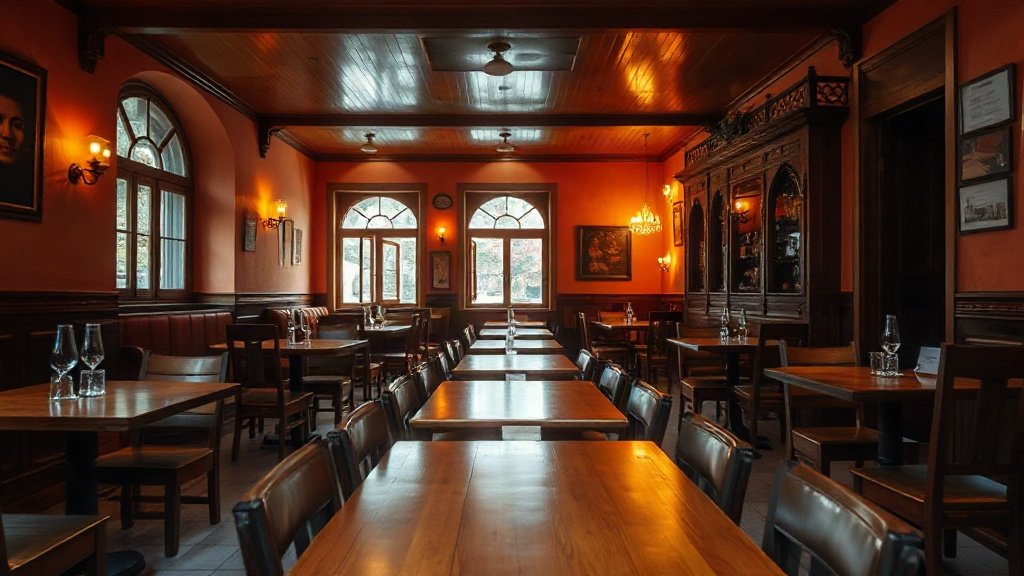
Illustration: AI-generated image
Bulgaria’s café culture and restaurant scene are vibrant, and opening your own establishment can be a rewarding venture. Whether you dream of a cosy coffee shop in Sofia, a seaside bistro in Varna or a traditional tavern in Plovdiv, this guide walks you through the essential steps to get your food business up and running.
Choose Your Business Structure and Register
The first step is to register your business with the Bulgarian Commercial Register. Most restaurant owners opt for a limited liability company (OOD or EOOD) because it offers personal liability protection. You will need a registered office address, a unique company name and initial capital (the minimum for an OOD is 2 BGN, but more is recommended for operating costs).
Once your company is registered, you must obtain a tax number and register for VAT if your annual turnover is expected to exceed 100,000 BGN. Many small cafés stay below this threshold initially, but plan ahead if you expect growth.
Obtain Food Business Permits and Licences
Food businesses in Bulgaria must be registered with the Bulgarian Food Safety Agency (BFSA). This involves submitting details about your premises, menu and food handling processes. The BFSA will inspect your kitchen and dining area to ensure compliance with hygiene standards. You will receive a food business registration certificate, which must be displayed on the premises.
If you plan to serve alcohol, you will also need a licence from the local municipality. This licence is issued per location and requires proof of your business registration, a floor plan and sometimes a fee. Note that selling alcohol has additional rules, such as not serving minors and complying with opening hours restrictions in some areas.
Meet Health and Safety Requirements
Your premises must comply with Bulgarian fire safety regulations, which include having fire extinguishers, clearly marked exits and an evacuation plan. You will also need a health and safety risk assessment for your employees. All staff handling food must have a valid health certificate, which is obtained after a medical examination at a designated health centre.
Regular inspections by the BFSA and local health authorities are common, so keep your premises clean and your documentation organised. A HACCP (Hazard Analysis and Critical Control Points) plan is not mandatory for small businesses but is recommended to show due diligence.
Hire and Register Staff
When hiring employees, you must register employment contracts with the National Revenue Agency (NRA) before the employee starts work. You will need to pay social security contributions and income tax on wages. The minimum wage in Bulgaria is set annually, and the hospitality sector often relies on shift work, so familiarise yourself with rules on working hours, overtime and night work.
Many cafés and small restaurants start with family members or part-time staff. Remember that all employees must have a written contract and be registered for health insurance.
Practical Tips for Success
Location is key: high foot traffic, proximity to offices or tourist areas can make a difference. Research your local competition and identify your niche. Bulgarians value quality coffee, fresh ingredients and a welcoming atmosphere. Consider offering traditional Bulgarian dishes alongside international options to attract both locals and tourists.
Finally, keep up with changing regulations by joining a local restaurant association or consulting with a Bulgarian accountant or lawyer who specialises in food businesses. With careful planning and attention to detail, your restaurant or café can thrive in Bulgaria’s dynamic market.