A Guide to Bulgaria's Thermal Springs: Natural Healing Waters
Bulgaria is dotted with mineral springs that have been used for centuries. Here's what to know about the tradition and how to enjoy them.
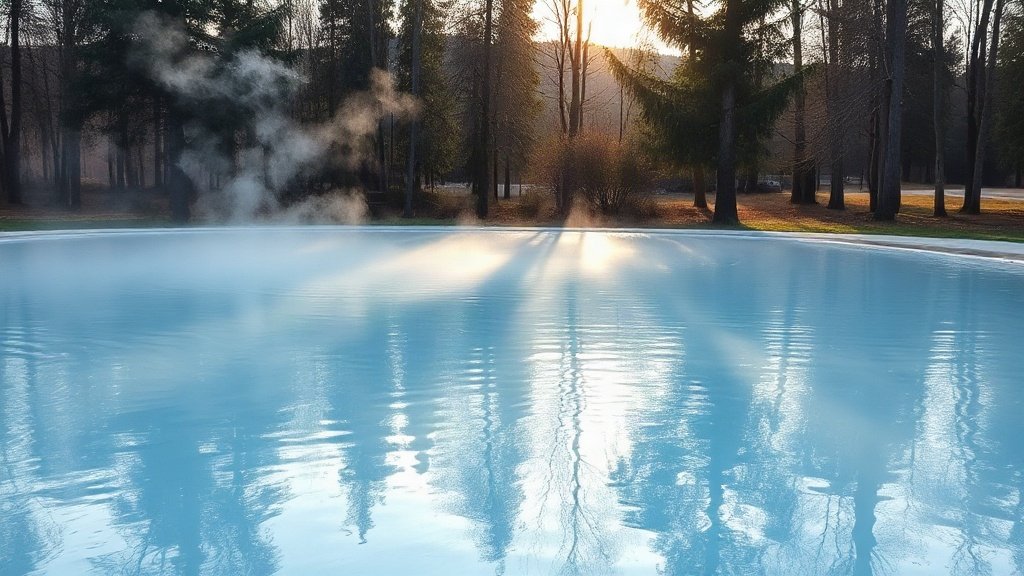
Illustration: AI-generated image
Bulgaria is often called the land of mineral waters, and for good reason. With hundreds of natural thermal springs scattered across the country, it ranks among Europe's richest in geothermal resources. These springs have been prized for their perceived healing properties and soothing warmth since ancient times, and today they remain a beloved part of everyday Bulgarian life.
A tradition rooted in history
The use of Bulgaria's thermal springs stretches back to the Thracians, who built settlements near the warm waters. The Romans later constructed elaborate public baths, many of which still stand as archaeological sites. Towns like Hisarya and Kyustendil grew around these ancient bathing complexes, and the tradition of "taking the waters" has continued unbroken through the centuries.
Where to find the springs
Several towns are famous for their mineral waters, each with its own character:
- Hisarya – Known for its 22 mineral springs and impressive Roman ruins, including well-preserved thermal baths. The water emerges at temperatures between 37°C and 51°C.
- Velingrad – Often called the spa capital of the Balkans, Velingrad boasts over 70 mineral springs with varying temperatures and chemical compositions.
- Sandanski – Located in the southwest, it combines a warm Mediterranean climate with mineral waters that are said to help with respiratory conditions.
- Sapareva Banya – Home to the hottest geyser in continental Europe, with water reaching around 103°C at the source. The water is cooled before use in pools and fountains.
- Pavel Banya – A small town specializing in balneotherapy, with water rich in minerals and a serene atmosphere.
What to expect when you visit
Most thermal springs in Bulgaria are captured in public fountains, outdoor pools, or spa complexes, though some remain as natural pools. The water often has a distinct sulphurous smell, which is completely normal and fades quickly. You'll see locals filling large plastic bottles from public fountains to take home for drinking—the mineral water is considered a healthy daily beverage.
When visiting a thermal pool, bring a towel, wear sandals, and test the water temperature before entering. Some pools can be quite warm, so it's wise to limit your time in the water and stay hydrated with plain water, not the mineral water itself. If you have any medical conditions, consult a doctor before using hot springs.
A part of everyday life
For Bulgarians, thermal springs are not just a tourist attraction; they are woven into the daily rhythm. Many people start their day with a walk to the local mineral fountain to fill their bottles, or they meet friends for a soak in the afternoon. The combination of warm water, fresh air, and social connection is seen as a simple way to maintain health and well-being throughout the year.
Whether you are a long-time resident or just passing through, visiting a thermal spring is an accessible way to experience a very Bulgarian tradition. Soak in the warmth, breathe in the mineral-rich air, and enjoy a practice that has soothed people for thousands of years.