A Guide to Bulgarian Village Life: What to Expect When Moving to the Countryside
Thinking of swapping city life for a Bulgarian village? From community customs to practicalities like water and gardening, here's what to expect when you make the move.
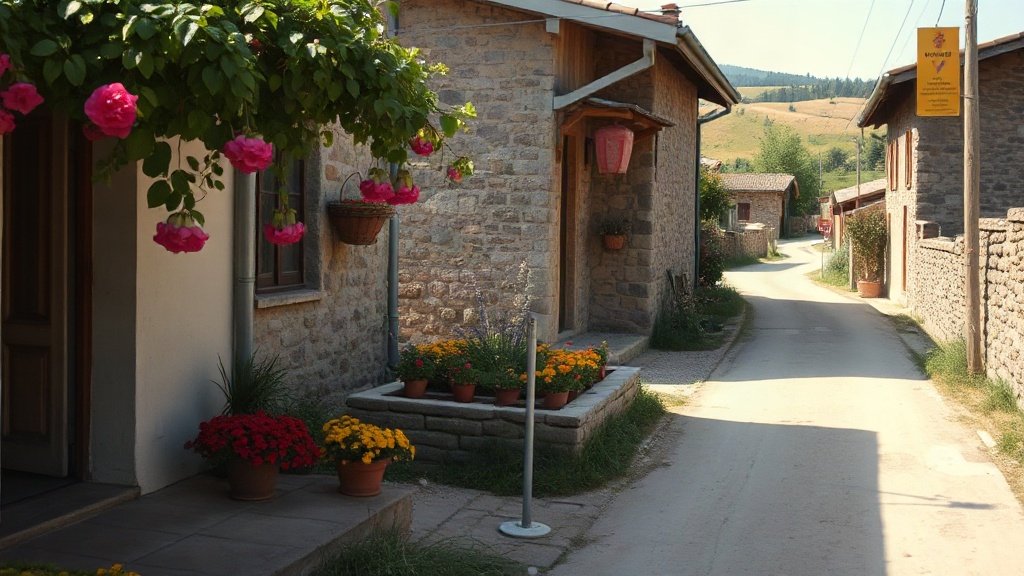
Illustration: AI-generated image
Moving to a Bulgarian village offers a slower pace, fresh air and a strong sense of community. While city life in Sofia or Plovdiv has its conveniences, rural Bulgaria provides an authentic experience of traditional customs, home-grown food and neighbourly support. If you are considering such a move, here is what you can expect.
Community and Social Life
Village life in Bulgaria revolves around personal connections. Neighbours often know each other by name and may stop by unannounced for a chat or to share produce from their garden. The local chitalishte (community cultural centre) is a hub for events, from folk dance rehearsals to holiday celebrations. Attending these gatherings is a great way to integrate, even if your Bulgarian is limited; locals appreciate the effort and will often help with language.
Many villages have a kmet (mayor) and a small municipal office where you can sort out administrative matters. The pace is slower, so be prepared for personal interaction rather than online forms. Respect for elders is important, and greeting people with a simple “Dobar den” (good day) goes a long way.
Practical Considerations: Water, Waste and Heating
Rural homes often rely on a private well or a communal water supply, which may have lower pressure than in cities. Many properties have a reserve tank, and some homeowners install filters for drinking water. Septic tanks are common, so you will need to arrange periodic emptying. Waste collection schedules vary; in some villages, you take your rubbish to a central bin, while others have kerbside pickup.
Heating is a major factor. Many village houses use wood-burning stoves or pechki, which require a steady supply of firewood. Some homes also have electric radiators or heat pumps, but wood remains the most traditional and cost-effective option. Chimney maintenance is essential for safety.
Gardening and Self-Sufficiency
Most village properties come with a garden, and growing your own vegetables is a way of life. Tomatoes, peppers, cucumbers, beans and potatoes are staples, and many families also keep chickens for eggs. Even a small plot can provide a significant portion of your food, and neighbours often exchange seeds and advice. Preserving the harvest through canning, drying and making lyutenitsa (a pepper and tomato spread) is a common autumn activity.
Daily Rhythms and Traditions
Life in the countryside follows the seasons. Spring brings planting and the celebration of Baba Marta with red-and-white martinitsi, while summer is for outdoor work and village festivals. Autumn is harvest time, and winter is quieter, with long evenings by the fire. Religious holidays are widely observed, and even if you are not Orthodox, you will be invited to share in the festive meals.
Moving to a village is not for everyone, but for those seeking a closer connection to nature and tradition, it can be deeply rewarding. With patience and openness, you will soon feel part of the community.