A Guide to Bulgarian Supermarkets: From Hypermarkets to Neighbourhood Shops
Learn what to expect when you shop for groceries in Bulgaria, from the layout of large supermarkets to the charm of small neighbourhood stores, plus practical tips for a smoother experience.
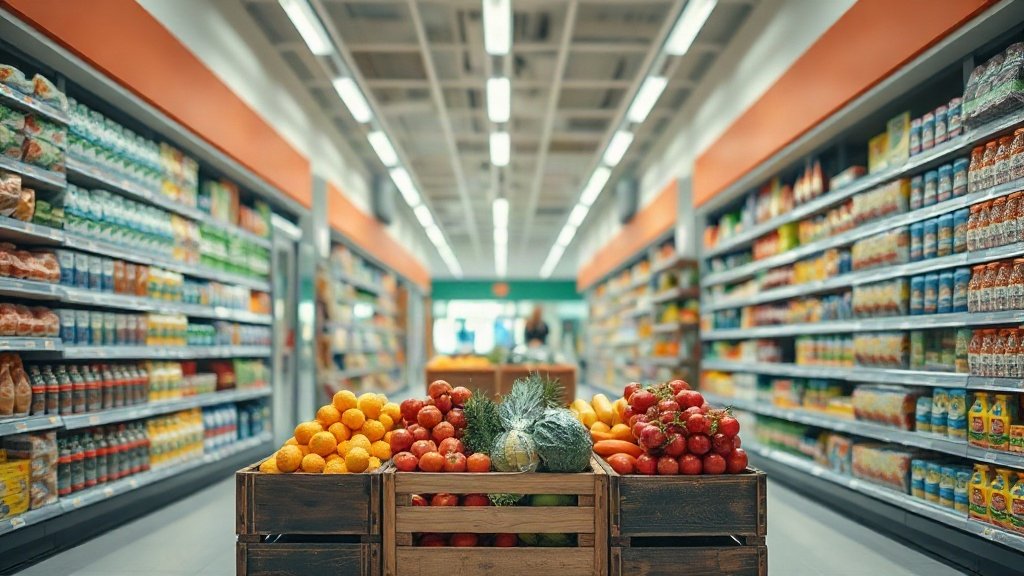
Illustration: AI-generated image
When you first move to Bulgaria, one of the most immediate tasks is figuring out where to buy your food and household essentials. The good news is that Bulgaria offers a wide range of shopping options, from sprawling hypermarkets on the outskirts of town to tiny convenience stores tucked into residential blocks. Understanding how these places work can save you time, money, and confusion.
Types of Stores
In most Bulgarian towns and cities, you will encounter three main types of grocery stores:
- Hypermarkets and large supermarkets: Usually located on the edges of urban areas or in shopping centres, these stores offer the widest selection of food, drinks, household goods, and sometimes clothing. They often have long opening hours and ample parking.
- Neighbourhood supermarkets: Medium-sized stores found within residential areas. They carry essential items and are convenient for quick shopping trips.
- Corner shops and mini-markets: Small, locally owned shops that may be open late or even 24/7. They stock basic groceries, snacks, and drinks, often at slightly higher prices due to convenience.
Inside the Store
When you enter a supermarket, you will usually find a row of shopping trolleys or baskets near the entrance. Some stores require a coin deposit to unlock a trolley; you get the coin back when you return it. Inside, the layout is generally similar to supermarkets across Europe: fresh produce near the entrance, followed by bakery, dairy, meat, and then shelf-stable goods.
One key difference is the self-service produce area. Most loose fruits and vegetables must be weighed and labelled before you reach the checkout. Look for digital scales mounted near the produce section. Place your item on the scale, press the corresponding picture or code, and a sticker with the price will print. Stick it on the bag. If you forget, the cashier may have to call for a price check, causing delays.
Checkout and Payment
At the checkout, you place your items on the conveyor belt and wait for the cashier. In many stores, you are expected to bag your own groceries, so bring reusable bags or purchase them at the counter (a small fee may apply). Cash and card payments are widely accepted in larger supermarkets, but smaller shops may prefer cash, especially for small amounts. Contactless payments are increasingly common.
Loyalty Cards and Special Offers
Many supermarket chains offer loyalty cards that give you access to discounted prices on selected items. These cards are usually free to obtain; simply ask at the customer service desk or register online. Even without a card, you will often see price tags showing two prices: one for regular customers and a lower one for cardholders. It is worth signing up if you shop at a particular chain regularly.
Typical Products and Brands
Bulgarian supermarkets stock a good mix of local and international brands. You will find a wide variety of dairy products, including Bulgarian yoghurt, white brined cheese (sirene), and yellow cheese (kashkaval). The bread section usually offers both pre-packaged loaves and freshly baked breads, often with a dedicated counter where you can ask for a specific quantity. Delicatessen counters sell cold cuts, cheeses, and ready-made salads like shopska or ovcharska.
Tips for a Smooth Shopping Experience
- Learn a few key phrases: Knowing how to say "hello" (zdraveyte), "thank you" (blagodarya), and "do you have...?" (imate li...?) can go a long way, especially in smaller shops where English may be limited.
- Bring your own bags: Since plastic bag fees are common, reusable bags are both eco-friendly and cost-effective.
- Check opening hours: While many supermarkets are open seven days a week, some may close early on Sundays or public holidays. Smaller shops may have irregular hours.
- Use the self-checkout if available: Many larger stores now have self-service checkouts, which can be faster if you only have a few items.
Overall, shopping for groceries in Bulgaria is straightforward once you understand the basics. With a little preparation, you can easily navigate both the large hypermarkets and the convenient neighbourhood shops, ensuring your kitchen is always well stocked with local and familiar products.