The Art of Bulgarian Pita: Ritual Bread for Every Celebration
From weddings to Christmas Eve, Bulgaria's festive breads carry centuries of symbolism in every twist and decoration. Here's what makes pita so central to Bulgarian culture.
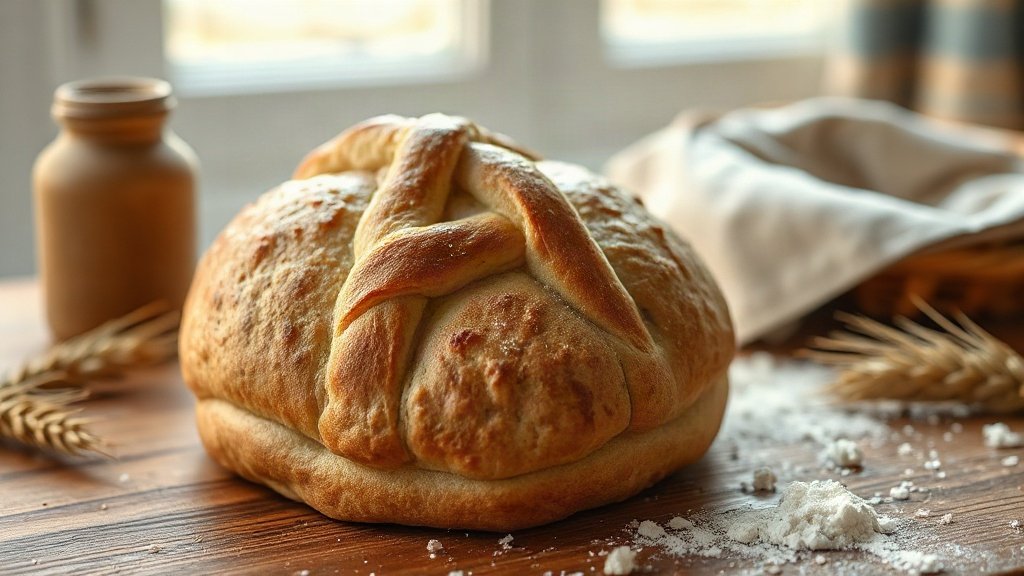
Illustration: AI-generated image
In Bulgarian homes, bread is never just food. The round, decorated loaf known as pita holds a place of honour at nearly every major life event, from births and weddings to Christmas and Easter. Its circular shape symbolises the sun, the cycle of life, and the unbroken circle of family and community.
A Bread for Every Occasion
Each celebration calls for its own version of pita, often with a specific name and purpose. At weddings, the pitka is broken over the newlyweds' heads, and whoever gets the larger piece is said to be the head of the household. On Christmas Eve, a special pita with a hidden coin is shared, and the person who finds the coin is believed to enjoy good fortune throughout the coming year.
For Gergyovden (St George's Day), a pita is baked and blessed before the lamb is roasted. At Petrovden or family slava feasts, pita is often accompanied by honey and walnuts. These breads are not merely baked goods; they are edible prayers for health, prosperity and protection.
Symbols and Shapes
The surface of a ritual pita is rarely left plain. Bakers use dough to create intricate patterns: braided edges, rosettes, crosses, sun motifs, sheaves of wheat, grapevines, or even tiny dough figures representing animals or people. Each symbol carries meaning: wheat for abundance, grapes for fertility, the cross for faith.
Often, the pita is brushed with egg wash to give it a golden sheen, and sometimes decorated with seeds, nuts or dried fruits. The decoration is usually done by the eldest woman of the household, who passes her techniques down through generations. While many families now buy their pita from a bakery, the tradition of making it at home remains strong, especially in villages and smaller towns.
Making and Sharing Pita
A basic pita dough is simple: flour, water, yeast, salt, and sometimes milk, eggs, oil or butter. What elevates it to ritual status is the intention and the shared act of making it. Traditionally, the woman kneading the dough would say silent prayers or blessings for the occasion. The rising dough was never left alone; someone would always be near, ensuring it was not 'jinxed' or disturbed.
When the pita is ready, it is never cut with a knife in a casual way. It is torn by hand or broken over a person's head, as at weddings, or turned three times before being divided, as on Christmas Eve. The first piece is often set aside for the house, for God, or for an absent family member. This act of sharing reinforces bonds and reminds everyone that no one is forgotten.
A Living Tradition
Today, pita remains a beloved part of Bulgarian identity. Even in modern cities, young couples request a traditional pita for their wedding, and families gather to bake together before big holidays. Community centres and cultural clubs sometimes organise pita-baking workshops to keep the craft alive. For visitors and foreigners living in Bulgaria, learning to make pita is a warm introduction to the country's deep-rooted customs. The next time you see a beautifully decorated round loaf at a Bulgarian bakery, remember: it is not just bread. It is a story of family, faith and the turning of the seasons.