A Seasonal Guide to Bulgarian Fruits and Vegetables: What to Buy When
Discover what's fresh at Bulgarian markets each month, from cherries and tomatoes to pumpkins and cabbage, and how to make the most of seasonal produce.
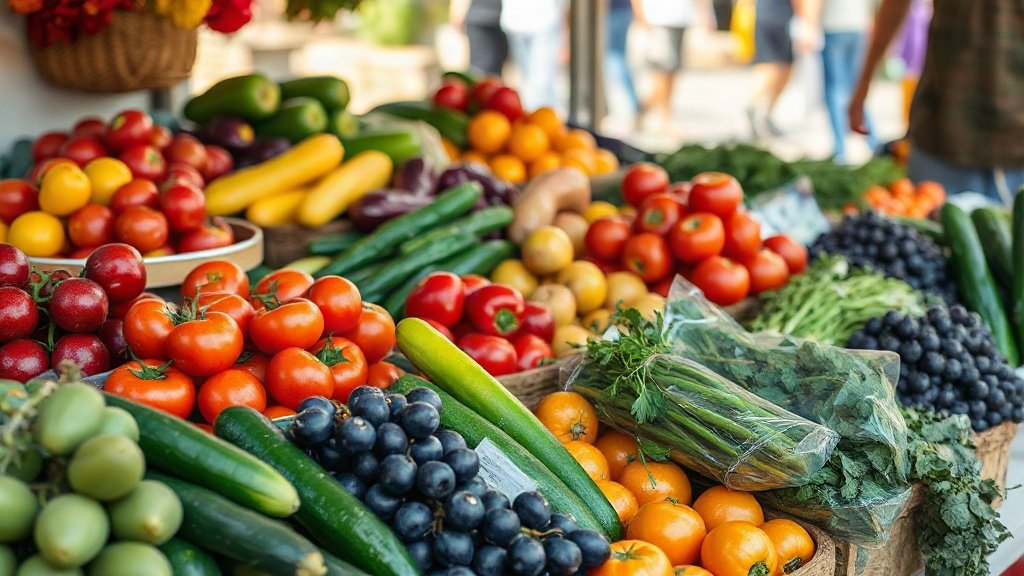
Illustration: AI-generated image
Eating with the seasons is a way of life in Bulgaria. From bustling open-air markets to roadside stalls, the country's produce follows a natural rhythm that has shaped its cuisine for centuries. Knowing what to buy when not only means better flavour and nutrition, but also supports local growers and often costs less. This guide walks you through the Bulgarian year, month by month, so you can fill your basket with the very best each season has to offer.
Spring: March to May
Spring in Bulgaria brings a welcome burst of green after the winter months. Look for tender spinach, sorrel, and fresh garlic—the young green garlic, called preсен чесън, is prized for its mild flavour and used in salads and stews. Green onions and radishes appear early, followed by lettuce and cucumbers as the weather warms. Strawberries begin in May, especially from the region around Plovdiv. This is also the time for nettles, which are foraged or bought at markets and made into a hearty soup with rice and yoghurt.
At the market, look for vibrant greens with no wilting and strawberries that are deeply red and fragrant. Spring produce is best used quickly—toss young spinach into salads, grill green garlic alongside meats, or make a classic shopska salad with the first cucumbers and tomatoes of the season.
Summer: June to August
Summer is the glory season for Bulgarian markets. Tomatoes are at their peak—sweet, juicy, and often sold in heaps of every size and shade. Peppers follow, from sweet red kamba to fiery chillies, essential for making lyutenitsa in late summer. Cucumbers, aubergines, courgettes, and green beans are abundant, along with okra in some regions. Fruits steal the show: cherries in June, apricots and peaches in July, and grapes and melons by August. Watermelons are a must for hot afternoons, often sold whole from roadside stands.
Buy tomatoes that smell earthy at the stem, and choose peppers with glossy, firm skins. Peaches should yield slightly to pressure. Summer is the time for cold soups like tarator and simple dishes of grilled vegetables drizzled with sunflower oil and sprinkled with chubritsa.
Autumn: September to November
As the heat fades, markets fill with the harvest. Grapes for eating and winemaking are everywhere in September, alongside quinces, figs, and the first pomegranates. Pumpkins and winter squash appear, essential for tikvenik (sweet pumpkin pastry) and savoury stews. Cabbage is a staple—both fresh and for making sauerkraut later in the season. Leeks, carrots, celery, and beetroot are at their best, and walnuts begin to fall from trees.
Look for cabbages that feel heavy for their size and pumpkins with hard, unblemished rinds. This is the time to preserve: making kompot from late plums, roasting peppers for the freezer, or preparing turshiya (fermented vegetables). Even if you don't preserve, roasted pumpkin with honey and walnuts is a simple autumn delight.
Winter: December to February
Winter markets are quieter but still offer plenty. Apples and pears from cold storage remain crisp, and citrus—imported but ubiquitous—brightens the season. Root vegetables dominate: potatoes, parsnips, turnips, and celeriac. Leeks and winter cabbage are staples for soups and stews, and dried beans and lentils are always available. Pickled vegetables—cucumbers, peppers, and mixed turshiya—add tang to winter meals.
Choose root vegetables that are firm and free of soft spots, and store them in a cool, dark place. Winter is the time for hearty dishes like bob chorba (bean soup), sarmi (stuffed cabbage leaves), and slow-cooked stews that make the most of preserved summer flavours.
Whether you're a long-time resident or new to Bulgaria, shopping with the seasons connects you to the land and its traditions. Next time you visit a market, ask the vendor what's best that day—you'll likely get a proud answer and a taste of what makes Bulgarian produce so special.