A Practical Guide to Starting Wine Tourism in Bulgaria
Bulgaria's ancient wine traditions and scenic vineyards are drawing more visitors each year, creating opportunities for entrepreneurs in wine tourism. This guide explores the key regions, steps to launch, and practical tips for success.
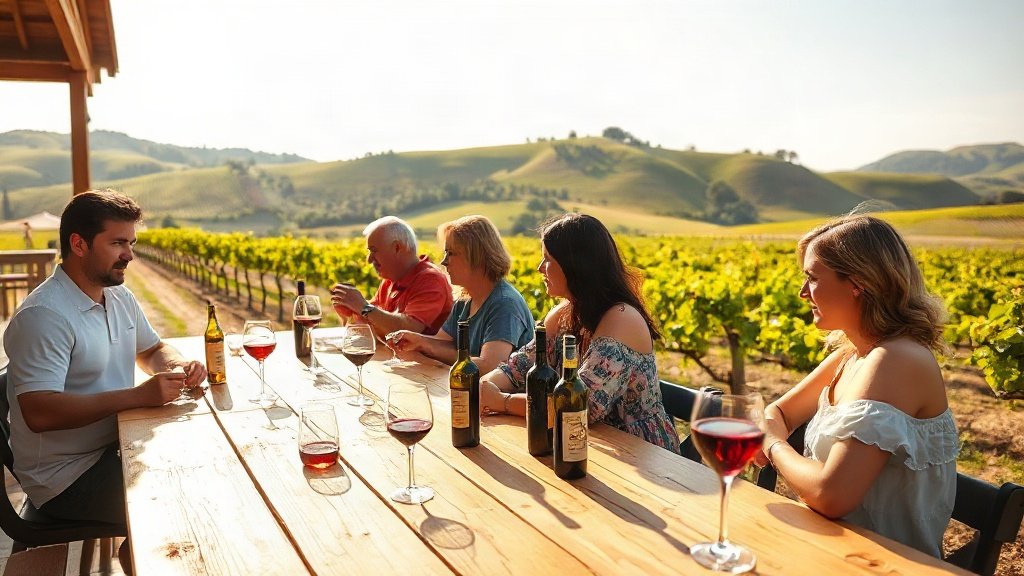
Illustration: AI-generated image
Bulgaria has been making wine for thousands of years, and today its vineyards are becoming a magnet for travellers seeking authentic experiences. Wine tourism is a growing niche that combines hospitality, agriculture and local culture, offering a rewarding path for small business owners. Whether you dream of opening a tasting room, organising vineyard tours or running a boutique guesthouse among the vines, here is a practical guide to getting started.
Why Bulgaria for Wine Tourism?
Bulgaria's wine heritage dates back to the Thracians, and the country is home to several distinct wine regions, each with its own character. The mild climate, diverse soils and indigenous grape varieties such as Mavrud, Rubin and Melnik create wines that are increasingly recognised abroad. Wine tourism is still developing, which means less competition and more room for creative concepts. Visitors are often surprised by the quality and value, making Bulgaria an attractive destination for wine lovers on a budget.
Key Wine Regions to Consider
Choosing the right location is crucial. The Thracian Valley in the south is known for full-bodied reds and historic sites, while the Danube Plain in the north produces elegant whites and has a more continental climate. The Black Sea coast offers a seaside twist, and the Struma Valley near the border with Greece is famous for the broad-shouldered Melnik grape. Each region has its own tourism infrastructure, so research local attractions, transport links and existing wineries to find your niche.
Steps to Launch Your Wine Tourism Business
Start by defining your concept: will you focus on tastings, tours, accommodation, or a combination? Next, register your company with the Bulgarian Commercial Register and obtain the necessary permits. Wine production and sale of alcohol require specific licences, so consult a local lawyer or accountant familiar with the industry. If you plan to serve food, you will need to meet health and safety standards. Consider partnering with existing wineries to offer tours without owning vines, which can reduce startup costs.
Legal and Regulatory Considerations
Alcohol licensing in Bulgaria is regulated at the municipal level, and requirements may vary. You will also need to comply with general business regulations, including tax registration and employment contracts if you hire staff. Insurance is advisable to cover liability for guests on your property. Because regulations can change, it is wise to seek professional advice before making significant investments.
Marketing and Partnerships
Word of mouth and online reviews are powerful in wine tourism. Build relationships with local hotels, tour operators and travel agencies to attract visitors. Highlight what makes your offering unique, whether it is a family recipe, a stunning view or a hands-on harvest experience. Social media and a simple website with beautiful photos can help you reach international travellers who plan their trips online.
Practical Tips for Success
- Offer a memorable experience, not just wine: pair tastings with local food, music or storytelling.
- Start small and expand gradually, testing what resonates with your guests.
- Learn about the wines you serve so you can share your passion confidently.
- Pay attention to hospitality details – comfortable seating, clear signage and friendly service go a long way.
- Join local and national wine tourism associations to stay informed and network.
With careful planning and a genuine love for Bulgarian wine, you can create a business that delights visitors and supports local communities.