Enyovden: Bulgaria's Herbal Midsummer Tradition
Every year on 24 June, Bulgarians celebrate Enyovden, a day steeped in ancient herb-gathering rituals that welcome the summer solstice and the power of medicinal plants.
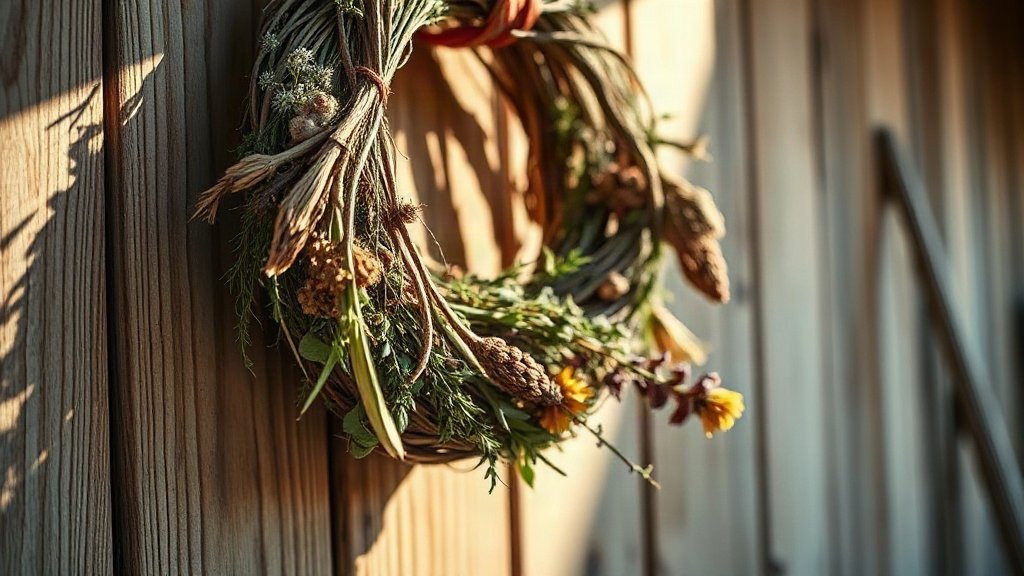
Illustration: AI-generated image
As the sun reaches its highest point in the sky, Bulgarians mark Enyovden – a day when herbs are believed to be at their most potent. Falling on 24 June, it blends Orthodox Christianity with much older pagan customs, creating a celebration that feels both ancient and alive.
What is Enyovden?
Enyovden, or Yanevden, is celebrated on the birthday of St. John the Baptist according to the Orthodox calendar. But long before Christianity arrived, this was a solstice festival honouring the sun and the healing power of nature. Today, the two are intertwined: people attend church services and then head to fields and forests to gather herbs.
The Ritual of the 77 and a Half Herbs
The heart of Enyovden is the collection of 77 and a half herbs. The number is symbolic – 77 for the known medicinal plants, and the mysterious "half" represents an unknown herb that can cure all diseases. Early in the morning, before sunrise, women and children set out to pick wild herbs, which are said to be most powerful on this day.
Common plants gathered include yarrow, St. John's wort, chamomile, thyme, and wild mint. The herbs are then bundled together and hung to dry, to be used throughout the year for teas, tinctures, and healing baths.
The Herbal Wreath and Its Blessing
One of the most visible customs is the making of a large wreath from the gathered herbs. In many villages, this wreath is placed at the entrance to the village or in a central spot, and everyone passes through it for good health. The wreath symbolises a gate to summer and a blessing for the months ahead. Afterwards, the wreath is often kept in the home or burned to release its protective powers.
Fortune-Telling and Dew Bathing
For unmarried girls, Enyovden offers a chance to glimpse the future. According to folklore, placing certain herbs under the pillow on this night may bring dreams of a future husband. Another tradition is to roll in the morning dew or wash one's face with it, as the dew on Enyovden is thought to bring beauty and health.
How to Experience Enyovden Today
Enyovden is still widely celebrated, especially in rural areas of Bulgaria. If you're in the country on 24 June, you can join a herb-gathering walk, watch wreath-making demonstrations, or simply enjoy the festive atmosphere in villages that hold special events. Visitors are often welcome to take part; wearing a wreath made of fresh herbs is a simple way to connect with the tradition.
Even if you can't be in Bulgaria, you can bring a little Enyovden into your own home by making a small herb bundle from your garden or a local market. Tie it with a red thread – a colour believed to ward off evil – and hang it in a sunny spot. On the day, reflect on the abundance of nature and the simple pleasure of gathering what grows around you.
Enyovden is more than a date on the calendar; it's a reminder of the deep-rooted connection Bulgarians have with the land and its healing gifts. Whether you join the early morning herb pickers or simply pause to appreciate the solstice, this midsummer tradition offers a beautiful way to welcome the warmth of summer.